


How can I organically deter deer from my vegetable garden without fences?

Keeping Unwanted Visitors Out: Organic Deer Deterrents
For many country dwellers, a bountiful vegetable garden is a source of immense pleasure and fresh produce. However, this same attraction often draws in an unwelcome guest: the deer. These graceful, yet ravenous, creatures can decimate a garden overnight. While fences are the most common solution, they’re not always practical or desired. The good news is that several organic, fence-free strategies can help protect your precious plants.
The key to successful deer deterrence without fences lies in understanding their habits and employing a multi-faceted approach. Deer are creatures of habit but can also be quite adaptable, so a combination of deterrents, regularly rotated, is often most effective.
Scent-Based Deterrents: Appealing to Their Noses (or Not)
Deer have a highly developed sense of smell, which can be both their strength and their weakness. We can exploit this by introducing scents they find unpleasant.
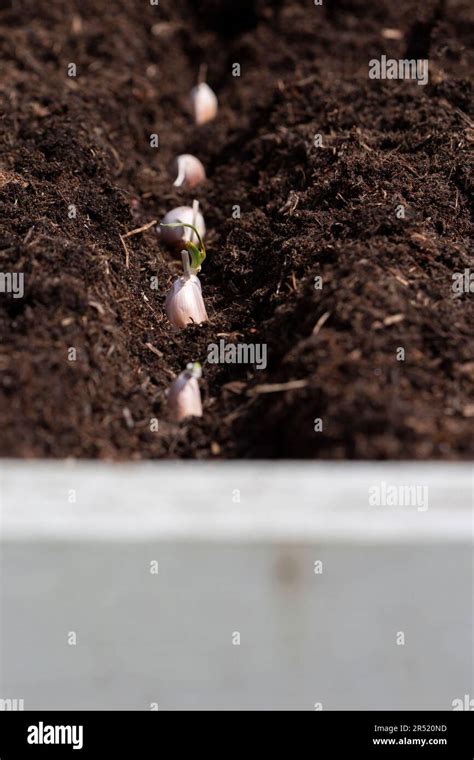
- Strong-Smelling Plants: Strategically interplanting your vegetables with plants deer dislike can create a fragrant barrier. Good choices include herbs like mint, sage, rosemary, and thyme. Flowers such as marigolds, daffodils, and alliums (onions, garlic) are also often avoided. The strong aroma of these plants can mask the smell of your delicious vegetables.
- Homemade Repellents: Many gardeners swear by concoctions that mimic predator scents or simply smell foul. A common recipe involves rotten eggs (mixed with water and a sticking agent like dish soap), hot pepper spray, or even human hair clippings (from barbershops) scattered around the garden perimeter. Reapply these after rain or every few days.
- Soap and Odor: Bars of highly scented soap (like Irish Spring) hung in mesh bags from stakes around the garden can also act as a deterrent. The strong perfume is generally off-putting to deer. Some even suggest placing used dryer sheets or predator urine (available commercially) around the garden, though effectiveness varies.
Taste-Based Deterrents: Making Your Garden Less Appetizing
Beyond smell, you can also make your plants taste less appealing to deer. While hungry deer will eat almost anything, certain plants are less preferred, and sprays can make even favorites undesirable.
- Deer-Resistant Plants: While no plant is 100% deer-proof, some vegetables and herbs are less likely to be munched on. Consider growing more thorny plants (like certain berries), fuzzy-leafed plants (squash, lamb’s ear), or those with strong aromatic oils. However, this isn’t a strategy for protecting your prime tomato patch directly.
- Bitter Sprays: Commercial deer repellents often contain bittering agents like denatonium benzoate, which makes plants taste horrible to deer but is harmless to humans and animals. You can also experiment with homemade bitter sprays using ingredients like cayenne pepper or hot sauce diluted in water with a sticking agent.
Physical and Visual Deterrents (Beyond Fences)
Sometimes, startling deer or creating psychological barriers can be effective.
- Motion-Activated Sprinklers: These devices detect movement and spray a burst of water, startling deer away without causing harm. They are particularly effective because deer are easily spooked and dislike sudden, unexpected movements or sounds.
- Reflective Objects and Noises: Hanging old CDs, aluminum pie plates, or shiny Mylar strips can create unexpected flashes of light and movement that deter deer. Wind chimes or other noise makers can also contribute to an environment deer find unsettling. Remember to move them occasionally so deer don’t habituate.
- Invisible Barriers: A less common but surprisingly effective method is to string fishing line (20-50 lb test) around your garden perimeter at several heights (e.g., 18 inches, 3 feet, 4.5 feet). Deer, with their poor eyesight, often bump into these lines, get startled by the unexpected resistance, and retreat. Because they can’t see the barrier, they become wary.
Regular Rotation and Persistence
Deer are intelligent and adaptable. What works one week might be ignored the next. To keep them guessing:
- Rotate Deterrents: Don’t rely on just one method. Combine scents, tastes, and visual deterrents. Change the location of your hanging soaps, rotate your repellent sprays, or move your motion-activated sprinklers.
- Be Persistent: The early detection of deer activity and consistent application of deterrents are crucial. The more unpleasant you make your garden for them, the more likely they are to seek easier meals elsewhere.
While deterring deer organically without fences requires more effort and creativity than simply putting up a barrier, it is entirely possible to enjoy a productive, deer-free vegetable garden. By understanding deer behavior and consistently applying a range of organic strategies, you can protect your harvest and coexist peacefully with wildlife.