



How to teach kids sustainable homestead skills through homemade traditions?
Cultivating Resilience: Why Homemade Traditions Matter
In a world increasingly reliant on instant gratification and mass production, the art of homemade traditions offers a powerful counter-narrative. For families, it presents a unique opportunity to instill invaluable sustainable homestead skills in children, fostering resilience, creativity, and a profound connection to the natural world. Far beyond mere pastimes, these traditions build a foundation for self-sufficiency and environmental stewardship that will serve kids for a lifetime.
Teaching children to make, grow, and mend things isn’t just about the practical output; it’s about the process. It teaches patience, problem-solving, and the satisfaction of a job well done. It’s about understanding where things come from, reducing waste, and appreciating the resources we have. Let’s explore how integrating simple, homemade activities into your family’s routine can become a powerful classroom for sustainable living.
The Garden as Your Classroom: Growing Food and Knowledge
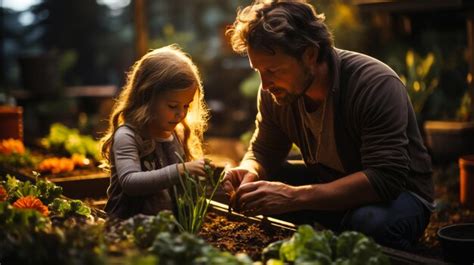
One of the most fundamental homestead skills is growing your own food. Starting a family garden, however small, offers countless lessons. Kids can learn about soil health, the life cycle of plants, the importance of pollinators, and the joy of harvesting fresh produce. Involve them in every step: planning the garden layout, planting seeds, weeding, watering, and ultimately, reaping the rewards.
From Seed to Table: Embracing Food Preservation
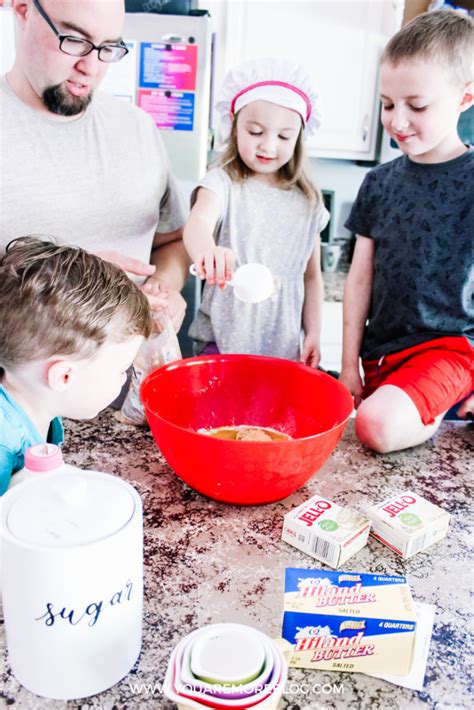
Once the harvest comes in, the traditions of food preservation begin. This is where sustainable living truly shines. Teach kids how to make jam from berries they picked, pickle cucumbers they grew, or dry herbs from the garden. These activities not only extend the bounty of your harvest but also educate children on seasonal eating, minimizing food waste, and the science behind preservation techniques. It’s a delicious way to learn about chemistry and history!
Crafting with Purpose: Creating and Repairing
Homemade traditions extend beyond the kitchen and garden. Engaging children in crafts that serve a practical purpose builds skills and fosters creativity. Think about:
- Sewing and Mending: Simple hand-sewing projects, like making a small tote bag or mending a ripped shirt, teach valuable textile skills, reduce consumption, and encourage resourcefulness.
- Woodworking Basics: Building a simple birdhouse, a small planter box, or even whittling a stick (with proper supervision) introduces basic tool use, safety, and the satisfaction of constructing something tangible.
- Natural Dyes: Experimenting with natural dyes made from plants (onion skins, avocado pits, berries) turns a creative activity into a lesson in botany and sustainable fashion.
These activities help children understand the effort that goes into creating items and the value of repairing instead of replacing.

DIY Household Essentials: Reducing Waste, Boosting Self-Sufficiency
Involving kids in making household essentials is another excellent way to teach sustainable skills. Simple projects can include:
- Soap Making: Using a melt-and-pour base, kids can customize their own soaps, learning about ingredients and hygiene.
- Natural Cleaners: Mixing vinegar, baking soda, and essential oils to create homemade cleaning solutions teaches about safe, non-toxic alternatives and basic chemistry.
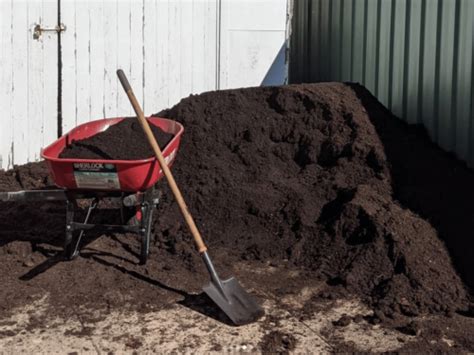
- Composting: Setting up a backyard compost bin for food scraps and yard waste demonstrates the incredible cycle of decomposition and nutrient return to the soil.
These practices empower children to take an active role in maintaining their home environment sustainably, reducing reliance on store-bought, often chemical-laden, products.

Making it a Tradition: Tips for Engagement
To successfully integrate these skills into your family life, focus on making them enjoyable and meaningful traditions:
- Start Small and Simple: Don’t try to do everything at once. Pick one or two projects that genuinely interest your children and expand from there.
- Involve Them in Planning: Let kids choose what to grow, what recipe to try, or what to build. Ownership boosts engagement.
- Embrace Imperfection: The goal isn’t perfection, but participation and learning. Celebrate effort and creativity, even if the outcome isn’t flawless.
- Tell Stories: Share stories of past generations who relied on these skills. Connect the activities to history and family heritage.
- Be Patient and Persistent: Some activities might not click immediately. Keep offering opportunities and be a role model yourself.
The Lasting Impact: Building a Sustainable Future
Teaching kids sustainable homestead skills through homemade traditions is more than just passing on practical abilities; it’s about nurturing a mindset. It instills an appreciation for hard work, a respect for resources, and an understanding of our interconnectedness with nature. These traditions empower children to be active participants in creating a more sustainable future, equipping them with the confidence and know-how to thrive in an ever-changing world. The memories made during these shared endeavors will be cherished, and the skills learned will be a legacy that truly lasts.