


Easy, real food family meal planning for busy country life?

Navigating the Joys and Challenges of Country Life
Country living offers unparalleled beauty, fresh air, and a slower pace—yet for families, it often comes with a unique set of challenges. Long commutes to school or work, seasonal demands of farming or gardening, and the sheer number of chores can make finding time for healthy, home-cooked meals feel like an insurmountable task. The desire to feed your family nourishing, real food is strong, but how do you make it happen amidst the beautiful chaos?
This article aims to simplify the process, offering practical, achievable strategies for meal planning that prioritize real food and fit seamlessly into your busy country routine.

Why Meal Planning is Your Countryside Superpower
You might think meal planning adds another layer of complexity, but for busy country families, it’s a game-changer. It transforms mealtime stress into a streamlined, enjoyable process. Here’s why:
- Saves Time: No more last-minute grocery runs or staring blankly into the fridge.
- Reduces Stress: Decision fatigue is real; planning takes the guesswork out of “what’s for dinner?”
- Saves Money: Less impulse buying, less food waste, and better utilization of ingredients.
- Healthier Eating: Conscious planning encourages nutrient-dense, whole foods over convenience options.
- Better Utilization of Resources: Perfect for using garden harvests, local produce, or bulk-purchased ingredients efficiently.
Core Principles for Real Food Country Meal Planning
Before diving into the how-to, let’s establish some foundational principles tailored for rural life:
Keep it Simple, Stupid (KISS)
Elaborate, multi-step recipes are great for a leisurely weekend, but weekdays demand simplicity. Think one-pot meals, sheet pan dinners, and recipes with minimal ingredients.
Embrace Seasonal and Local
Country living often means access to farmers’ markets, farm stands, or your own garden. Build your meals around what’s fresh and available. This not only tastes better but also supports local economies and reduces your carbon footprint.
Batch Cook and Prep Ahead
Dedicate an hour or two on a less busy day (e.g., Sunday afternoon) to prep. Chop vegetables, cook grains, roast chicken, or make a large batch of soup. This foresight will be a lifesaver during hectic weekdays.

Practical Steps to Kickstart Your Meal Plan
1. Assess Your Schedule and Preferences
Look at your family’s week. Are there late sports practices, evening meetings, or specific days where cooking is impossible? Factor these in. Also, involve your family in deciding on a few favorite meals to ensure everyone is on board.
2. Inventory Your Pantry, Fridge, and Freezer
Before you even think about recipes, know what you already have. This prevents buying duplicates and helps you use up ingredients before they spoil. Prioritize using garden produce or freezer stash first.
3. Choose Your Planning Method
- Weekly: Most common. Plan 7 dinners (and maybe a few lunches/breakfasts) at a time.
- Bi-Weekly/Monthly: Great for larger families or those who stock up less frequently.
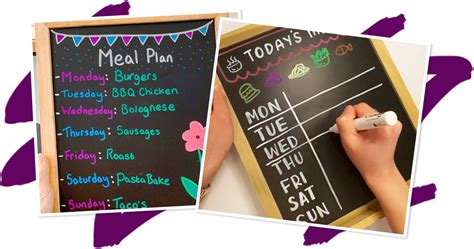
- Theme Nights: “Taco Tuesday,” “Pasta Monday,” “Soup & Sandwich Sunday”—this reduces decision fatigue.
4. Build Your Shopping List
Once your meals are planned, create a detailed shopping list organized by store section (produce, dairy, pantry). This saves time at the grocery store, which might be a longer drive in the country.
The Real Food Advantage: Making Healthy Choices Easy
Feeding your family “real food” means prioritizing whole, unprocessed ingredients. This doesn’t have to be complicated:
- Focus on Whole Grains: Oats, brown rice, quinoa, whole wheat pasta.
- Lean Proteins: Chicken, fish, beans, lentils, eggs, lean beef.
- Abundant Fruits & Vegetables: Maximize seasonal availability.
- Healthy Fats: Olive oil, avocados, nuts, seeds.
- Minimal Processed Foods: Limit added sugars, artificial ingredients, and highly refined oils.
When planning, think about how to naturally incorporate these elements into simple meals. A roasted chicken with garden vegetables, a hearty lentil soup with whole-grain bread, or a frittata packed with seasonal greens are all excellent real food choices that are also easy to prepare.

Country-Specific Tips for Meal Planning Success
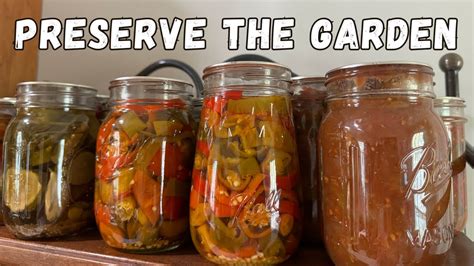
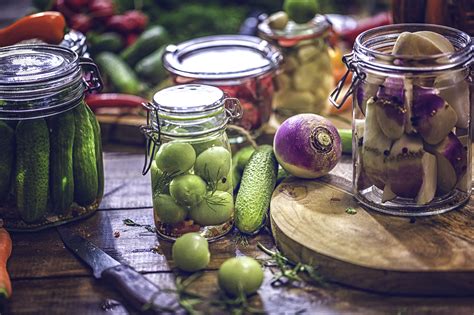
- Utilize Your Garden Bounty: If you have a garden, plan meals around its peak season. Learn preserving techniques (canning, freezing, dehydrating) to extend the harvest.
- Community Resources: Explore local farm shares (CSAs), farmers’ markets, or community bulk-buy options for fresh produce and staples.
- The Power of Leftovers: Cook larger portions intentionally. Leftovers are perfect for lunches the next day or a quick dinner when time is tight.
- Master the Freezer Meal: Prepare entire meals (casseroles, stews, marinated meats) and freeze them for busy days. Just thaw and cook!
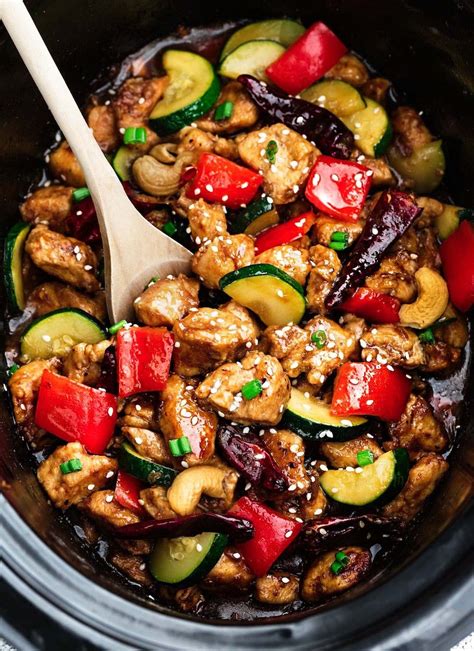
- Slow Cookers and Instant Pots: These appliances are invaluable for set-it-and-forget-it meals that are ready when you are, especially after a long day outdoors.
Making it Work for Your Family
Meal planning in busy country life doesn’t mean sacrificing spontaneity entirely. It means creating a framework that supports your family’s health and reduces daily stress. Start small, be flexible, and celebrate every home-cooked meal you share. With a little planning, real food on the table, even on the busiest country days, is entirely within reach.