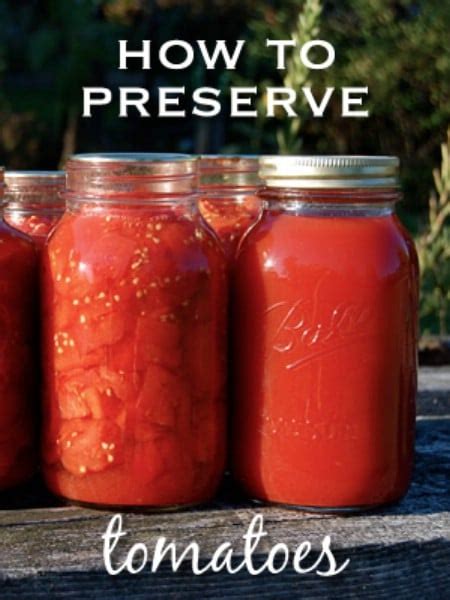



Easiest way to preserve excess homegrown tomatoes without canning?
There’s nothing quite like the taste of a homegrown tomato, ripened on the vine under the summer sun. The only problem? They often ripen all at once, leaving you with a delicious but overwhelming bounty. For many, the thought of traditional canning methods, with their sterilizing, boiling water baths, and strict safety protocols, can be daunting. The good news is, you don’t need a pressure canner or a lot of specialized equipment to enjoy your tomato harvest year-round. Several simple, no-fuss methods exist that will keep those precious flavors intact.
Freezing: The Ultimate Easy Method
Freezing is arguably the easiest and most versatile way to preserve tomatoes without canning. It requires minimal prep and retains much of the fresh flavor and nutritional value. You can freeze them whole, diced, or pureed, making them ready for various culinary applications later.
Freezing Whole Tomatoes
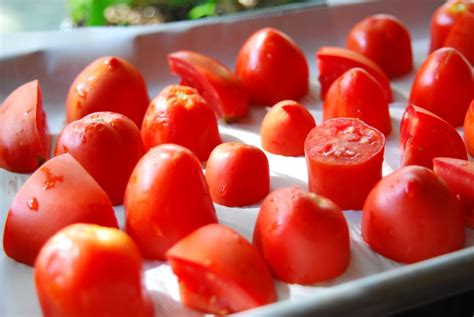
This method is ridiculously simple. Wash your tomatoes, remove the cores (if desired, though not strictly necessary), and place them in a single layer on a baking sheet. Freeze until solid, then transfer the frozen tomatoes to freezer bags. This prevents them from clumping together. When you’re ready to use them, simply run them under warm water, and the skins will slip right off, leaving you with ready-to-use peeled tomatoes perfect for sauces or soups.
Freezing Diced or Pureed Tomatoes
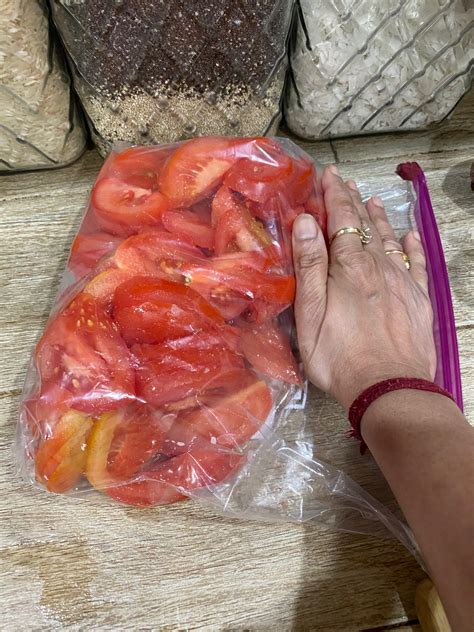
For convenience, you can dice or puree your tomatoes before freezing. Blend ripe tomatoes into a smooth puree, or chop them into your desired size. Pour the puree or diced tomatoes into freezer-safe containers, ice cube trays, or freezer bags. If using bags, lay them flat for easy stacking once frozen. Don’t forget to label with the date!
Oven-Roasting for Concentrated Flavor
Roasting tomatoes brings out an incredible sweetness and depth of flavor, making them ideal for sauces, stews, or even just topping toast. This method slightly dehydrates them while intensifying their natural sugars, and the roasted tomatoes can then be frozen or stored short-term in oil.
How to Oven-Roast Tomatoes
Halve or quarter your tomatoes (cherry tomatoes can be left whole). Toss them with a little olive oil, salt, pepper, and any herbs you like (garlic, basil, oregano are great choices). Spread them in a single layer on a baking sheet and roast at a low temperature (around 250-300°F / 120-150°C) for several hours, or until shriveled and slightly caramelized. Let them cool, then pack them into freezer-safe containers or bags. They’ll keep for months in the freezer and are a game-changer for winter cooking.

Dehydrating: Sun-Dried Style Without the Sun
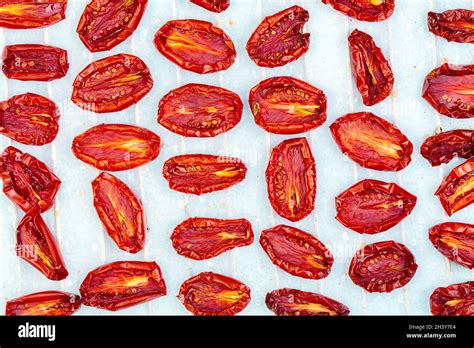
Dehydrating tomatoes transforms them into a chewy, intensely flavored treat reminiscent of store-bought sun-dried tomatoes. You can use a food dehydrator or even your oven set to its lowest temperature. Dried tomatoes are shelf-stable and can be stored in airtight containers.
Steps for Dehydrating Tomatoes
Slice tomatoes about 1/4 inch thick. For larger tomatoes, you might want to scoop out the seeds and pulp first. Arrange slices in a single layer on dehydrator trays or baking sheets lined with parchment paper. Dehydrate at 125-135°F (50-57°C) for 8-12 hours (or longer, up to 24 hours), flipping occasionally, until they are leathery and pliable, not brittle. Store in airtight jars or containers in a cool, dark place. They can also be rehydrated in warm water or oil before use.
Quick Sauces and Pastes for the Freezer
If you know you’ll be making sauces and soups, why not do some of the work upfront? Turning your fresh tomatoes into a basic sauce or paste before freezing saves time later. This method involves cooking down the tomatoes, concentrating their flavor, and reducing their volume for more efficient storage.
Making Freezer-Friendly Tomato Sauce
Chop your tomatoes (no need to peel for this, as you can strain later). Simmer them in a large pot with a splash of olive oil, garlic, and herbs until they break down and reduce in volume. You can blend the sauce smooth with an immersion blender or food mill, or leave it chunky. Cool completely, then ladle into freezer-safe containers, freezer bags, or even ice cube trays for smaller portions. A concentrated tomato paste can be made by cooking the sauce down even further until very thick.

With these simple, no-canning methods, you can easily preserve the delicious taste of your homegrown tomatoes to enjoy long after the summer season ends. Say goodbye to food waste and hello to the incredible flavor of your garden all year round!