




What are the best DIY methods for preserving garden harvest without electricity?

In an era increasingly reliant on modern conveniences, the art of preserving food without electricity offers not only a valuable skill for self-sufficiency but also a deeper connection to sustainable living. Whether you’re preparing for emergencies, aiming to reduce your carbon footprint, or simply seeking to enjoy your garden’s bounty year-round, traditional methods provide reliable and flavorful solutions.
The Timeless Art of Water Bath Canning
Water bath canning is a fantastic method for preserving high-acid foods such as fruits, jams, jellies, pickles, and tomatoes (with added acid). This process involves submerging sealed jars of food in boiling water for a specific duration, creating a vacuum seal as the jars cool. While the initial heating requires a heat source (wood stove, propane burner), no electricity is needed for the storage itself. Always follow tested recipes to ensure food safety and proper sealing.

Harnessing the Sun: Air and Sun Drying
Drying is one of the oldest and simplest preservation techniques. Removing moisture inhibits microbial growth and enzyme activity, making food shelf-stable. For herbs, simply tie bundles and hang them in a warm, dry, well-ventilated area away from direct sunlight. Fruits and certain vegetables, like sliced apples, tomatoes, or peppers, can be sun-dried. Spread them in a single layer on screens raised off the ground, turning occasionally. Cover with cheesecloth to protect from insects and bring them indoors at night to prevent moisture reabsorption. Ensure food is completely dry and brittle before storing in airtight containers.

Flavorful Fermentation: Lacto-Fermenting Vegetables
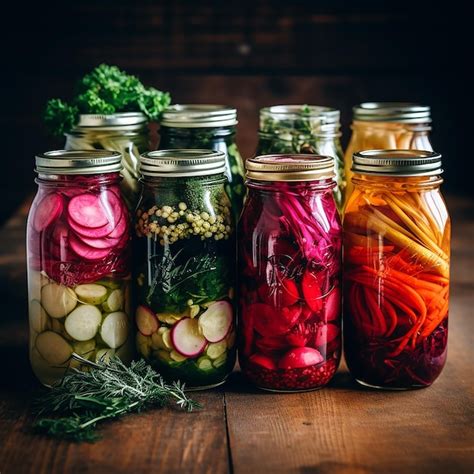
Fermentation transforms vegetables into probiotic-rich, tangy delights. This process utilizes beneficial lactic acid bacteria to convert sugars into lactic acid, naturally preserving the food and creating unique flavors. Sauerkraut, kimchi, and fermented pickles are classic examples. All you need are vegetables, salt, water (for brine), and a clean jar. The natural fermentation process doesn’t require electricity and results in a living food that can be stored at cool room temperature for months.
The Original Refrigerator: Root Cellars and Cool Storage
Long before refrigeration, root cellars and cool, dark storage spaces were essential for keeping crops fresh through winter. These areas maintain a consistent cool temperature and high humidity, ideal for storing root vegetables like potatoes, carrots, beets, and parsnips, as well as apples, onions, and garlic. A dedicated root cellar can be a simple outdoor pit, an unheated basement corner, or a purpose-built structure. Ensure good ventilation and protect stored items from rodents and extreme temperature fluctuations.

Pickling with Vinegar and Salting Techniques
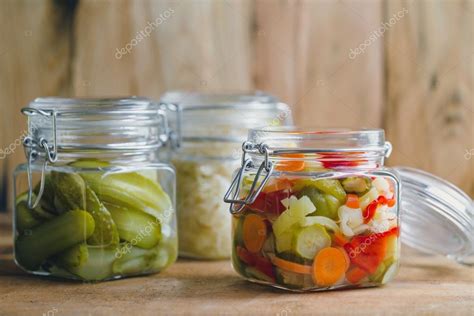
Beyond fermentation, pickling with vinegar offers another effective method for preserving vegetables without electricity. High-acid vinegar, often combined with salt and spices, creates an environment hostile to spoilage bacteria. Cucumbers, green beans, and even certain fruits can be preserved this way. Similarly, dry salting or brining is excellent for items like green beans (known as “salt beans” in some traditions) or even for preserving specific cuts of meat or fish, though for garden produce, vinegar pickling is more common and versatile.
Conclusion: Embrace Self-Sufficiency and Flavor
Preserving your garden harvest without electricity is a rewarding endeavor that connects you to time-honored traditions. From the tangy crunch of fermented vegetables to the sweet chewiness of sun-dried fruits and the crisp freshness from a root cellar, these methods ensure a diverse and resilient food supply. By mastering these techniques, you not only extend the life of your produce but also gain valuable skills for a more sustainable and self-reliant lifestyle.