


What’s the best way to air-dry garden herbs for winter use & medicinal teas?
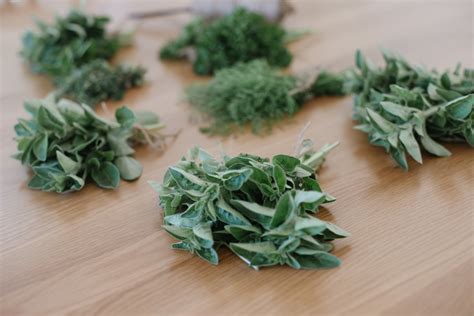
Preserving the bounty of your garden ensures that the flavors and therapeutic benefits of your herbs can be enjoyed long after the growing season has ended. Air-drying is one of the oldest, simplest, and most effective methods for preparing herbs for winter culinary use and homemade medicinal teas, requiring minimal equipment and yielding potent results.
Why Air-Dry Your Herbs?
Air-drying gently removes moisture, concentrating the essential oils and flavors that give herbs their distinct characteristics and medicinal properties. This natural process helps prevent mold and spoilage, making your harvest shelf-stable for months, even years, without the need for refrigeration or chemical preservatives. Plus, it’s incredibly satisfying to reach for your own homegrown, hand-dried herbs!
Optimal Harvesting for Best Results
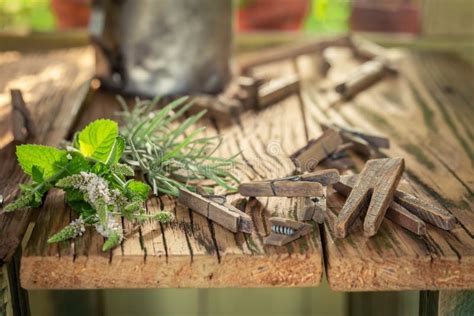
The success of air-drying largely depends on when and how you harvest your herbs. Aim to pick herbs in the late morning after the dew has evaporated but before the intense midday sun has begun to wilt them. This is when their essential oil content is typically highest. Choose healthy, vibrant leaves and stems, free from pests or disease. For most herbs, harvest before they flower for the best flavor and potency, as flowering can sometimes divert energy away from leaf production and alter taste.
Gentle Preparation Before Drying
Once harvested, gently shake off any loose dirt or insects. Avoid washing herbs unless absolutely necessary, as introducing extra moisture can prolong drying time and increase the risk of mold. If you must wash them, do so quickly under cool water and thoroughly pat them dry with a clean cloth or spin them in a salad spinner before proceeding. Remove any damaged, yellowed, or diseased leaves.
Effective Air-Drying Techniques
Hanging Bundles
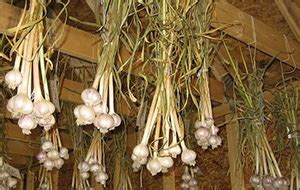
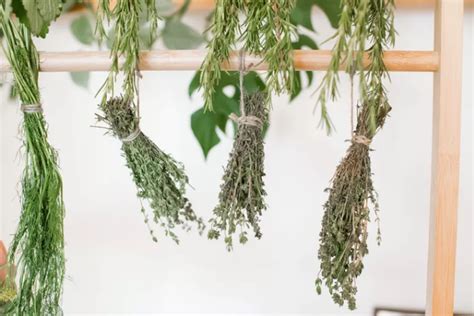
This traditional method is ideal for herbs with sturdy stems and lower moisture content like rosemary, thyme, oregano, sage, lavender, and mint. Gather small bunches of 5-10 stems and tie them together securely with twine or a rubber band at the cut ends. Ensure the bundles aren’t too large, as this can trap moisture and lead to mold. Hang them upside down in a location that meets the ideal drying conditions.
Drying Screens or Racks
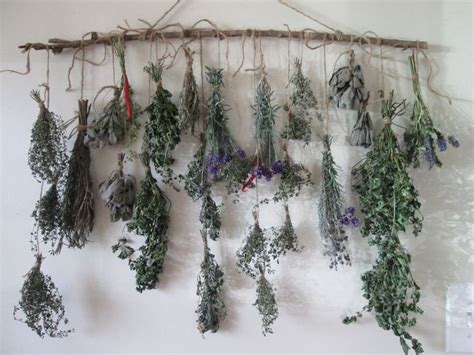
For more delicate herbs, leaves, or flowers such as chamomile, lemon balm, basil, or individual bay leaves, drying screens or racks are a better choice. Lay the herb pieces in a single layer, ensuring good air circulation around each piece. You can use old window screens, custom-made drying racks, or even simple cooling racks placed on elevated surfaces to allow air to flow both above and below. Turn the herbs periodically to ensure even drying.
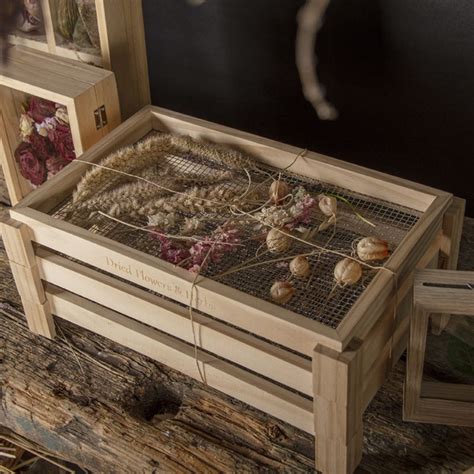
Creating the Perfect Drying Environment
Regardless of the method you choose, the drying environment is crucial. Herbs dry best in a dark, warm, dry, and well-ventilated area. Direct sunlight can bleach herbs, causing them to lose color, flavor, and medicinal compounds. An attic, a spare closet, a pantry, or even a corner of a kitchen not directly in sunlight can work. Aim for temperatures between 60-80°F (15-27°C) with low humidity. Good air circulation is paramount to whisk away moisture as it evaporates.

Knowing When Herbs Are Dry & Proper Storage
Herbs are fully dry when they are brittle and crumbly to the touch. Leaves should easily snap and stems should break rather than bend. This process can take anywhere from a few days to several weeks, depending on the herb, humidity, and temperature. Once completely dry, remove the leaves from the stems (if desired) and store them whole or lightly crushed in airtight containers like glass jars or metal tins. Keep them in a cool, dark place away from direct light and heat. Properly stored, most dried herbs will retain their potency for up to a year.
Enjoying Your Winter Harvest
With a little planning and the right techniques, air-drying garden herbs is a simple and rewarding way to extend your garden’s bounty through the winter. Whether you’re brewing soothing medicinal teas or adding homegrown flavor to your cooking, these carefully preserved herbs will be a testament to your efforts and a source of natural wellness.