


What organic pest control works best for tomato hornworms?
Understanding the Tomato Hornworm Threat
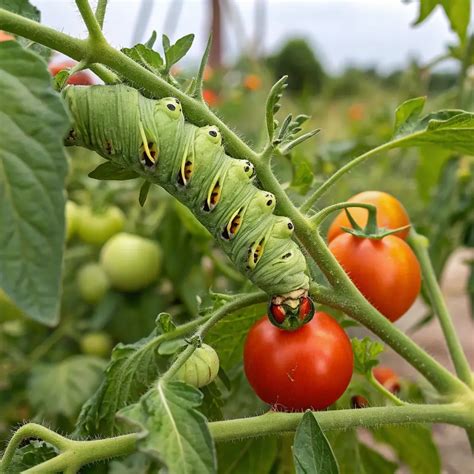
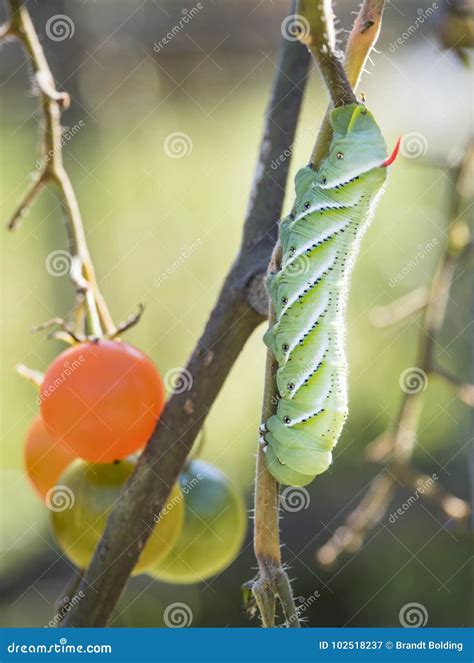
Tomato hornworms (Manduca quinquemaculata) are notorious garden pests, capable of defoliating tomato, pepper, eggplant, and potato plants overnight. Their large size, voracious appetite, and camouflage make them a formidable foe for many home gardeners seeking to grow healthy, organic produce. Fortunately, a variety of effective organic strategies can help manage and eliminate these destructive caterpillars without resorting to harmful chemical pesticides.
The Best Organic Strategies for Hornworm Control
1. Manual Removal: The Old-Fashioned Way
Perhaps the most direct and effective method for small to medium infestations is simply hand-picking. Tomato hornworms are large—often growing up to four inches long—and while their green coloration provides excellent camouflage against tomato foliage, tell-tale signs like defoliated leaves, chewed fruit, and dark green droppings (frass) on lower leaves can reveal their presence. Inspect your plants diligently, especially in the early morning or late evening. Once spotted, simply pluck them off and drop them into a bucket of soapy water to dispatch them.

2. Encouraging Natural Predators
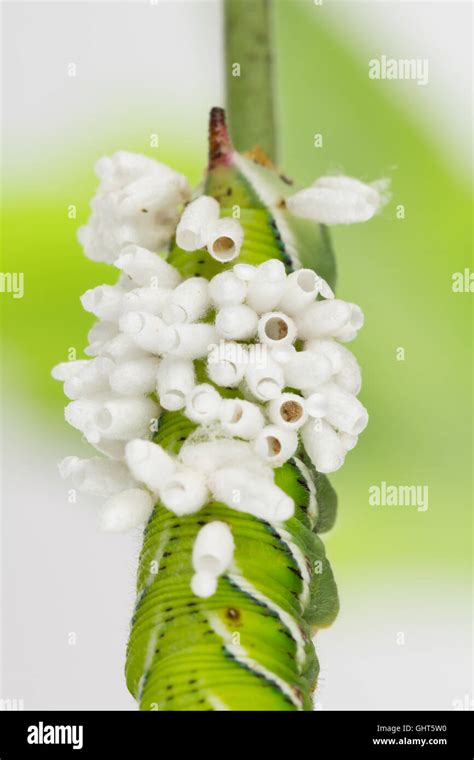
Nature provides its own pest control in the form of beneficial insects and birds. One of the most fascinating natural enemies of the tomato hornworm is the braconid wasp. These tiny parasitic wasps lay their eggs on the hornworm’s back; the larvae then feed on the hornworm, eventually emerging from cocoons on its body, which effectively kills the host. If you see a hornworm covered in what looks like grains of rice, leave it be—it’s been parasitized and will soon die, while the wasps will go on to parasitize more hornworms.
Other generalist predators like various birds, paper wasps, and predatory ground beetles also prey on hornworms. Attract these beneficial creatures to your garden by planting a diversity of flowers, providing water sources, and avoiding broad-spectrum pesticides that could harm them.
3. Companion Planting
Strategic companion planting can deter hornworms and attract beneficial insects. Plants like dill, borage, and marigolds are often cited for their repellent properties or ability to attract natural predators. Planting these alongside your tomatoes can create a less hospitable environment for hornworms and boost the presence of their enemies.
4. Organic Pesticides: Targeted Solutions
When infestations are larger than what hand-picking can manage, or if you prefer an additional layer of protection, several organic pesticides offer effective control:
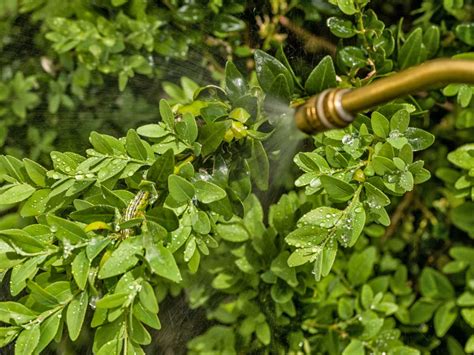
- Bacillus thuringiensis (Bt): This naturally occurring soil bacterium is one of the most popular and effective organic treatments for caterpillars. When hornworms ingest Bt, it paralyzes their digestive system, causing them to stop feeding and eventually die. Bt is safe for humans, pets, and beneficial insects, as it specifically targets caterpillars. Apply it thoroughly to foliage where hornworms are feeding.
- Neem Oil: Derived from the neem tree, neem oil acts as an antifeedant and growth regulator, disrupting the hornworm’s life cycle. It can be effective when applied as a foliar spray, but ensure good coverage.
- Insecticidal Soap: While less targeted than Bt, insecticidal soaps can be effective against young hornworms when applied directly, smothering them.
5. Garden Hygiene and Crop Rotation
Preventative measures are crucial for long-term organic pest control. Tilling your garden soil in the fall or early spring can expose hornworm pupae, which overwinter in the soil, to birds and other predators or harsh weather conditions. Crop rotation also helps break the life cycle of many pests by moving host plants to different locations each year.

Integrated Organic Approach
The most successful organic pest control for tomato hornworms often involves an integrated approach combining several of these strategies. Regular scouting, encouraging beneficial insects, strategic planting, and using targeted organic sprays when necessary will help you maintain a healthy, productive tomato patch without relying on synthetic chemicals. By understanding the hornworm’s life cycle and employing these diverse methods, you can ensure your homegrown tomatoes thrive.