




How can I adapt heritage recipes to use my seasonal garden produce?
There’s a unique satisfaction in pulling fresh produce from your garden and transforming it into a delicious meal. This joy deepens when you can weave those vibrant, seasonal ingredients into a beloved heritage recipe, connecting past traditions with present abundance. Adapting these time-honored dishes to suit your current harvest not only reduces food waste and embraces sustainable living but also injects new life and flavor into classic favorites.
Why Blend Heritage with Harvest?
Integrating your seasonal garden produce into heritage recipes offers a multitude of benefits. It ensures you’re cooking with ingredients at their peak freshness and nutritional value, often leading to superior flavor. It encourages creativity in the kitchen, challenging you to think beyond the original recipe’s constraints. Furthermore, it’s a sustainable practice, utilizing what’s readily available and reducing the carbon footprint associated with out-of-season produce.
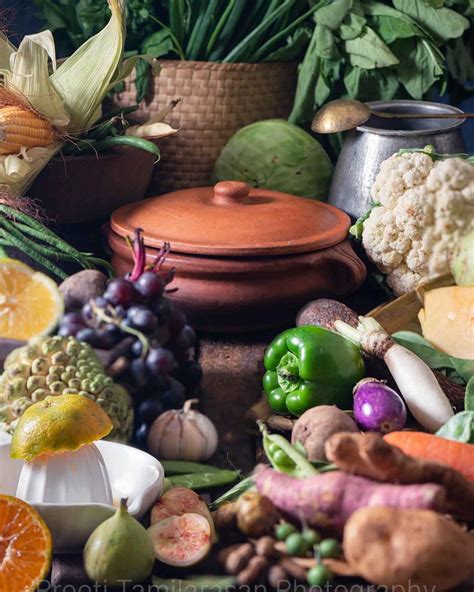
Understanding Your Heritage Recipe’s Core
Before you begin swapping ingredients, take time to understand the essence of your heritage recipe. What are its defining characteristics? Is it the interplay of sweet and sour, a rich creamy texture, or a specific spice blend? Identify the primary ingredients and their roles. Are they structural, flavor-imparting, or purely textural? Knowing this will guide your substitutions, helping you choose seasonal alternatives that maintain the dish’s integrity.
Key Adaptation Strategies for Seasonal Produce
1. Direct Substitutions
This is the most straightforward approach. Look for seasonal produce that shares similar characteristics with the original ingredients in terms of flavor profile, texture, and moisture content. For instance, if a recipe calls for spinach, you might substitute it with fresh kale or Swiss chard from your garden. Be mindful of cooking times; heartier greens like kale will take longer to wilt than spinach.
2. Ingredient Additions
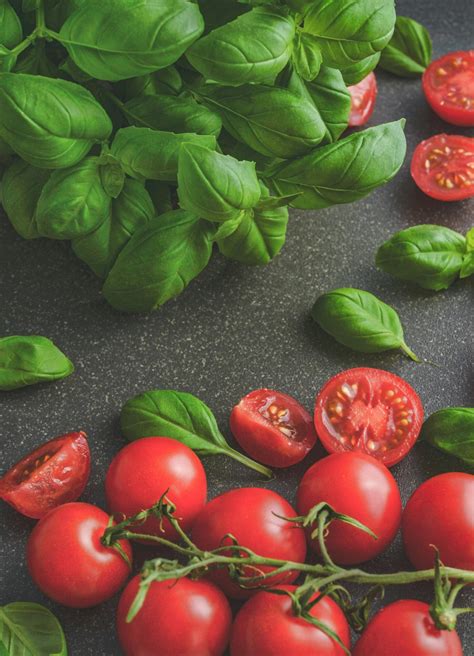
Sometimes, instead of replacing, you can simply add. If your heritage stew feels a bit plain, a handful of garden carrots, fresh green beans, or summer squash can enhance its nutritional value and flavor complexity without altering its core identity. Fresh herbs like basil, thyme, or oregano can brighten up almost any dish, from sauces to roasted meats.
3. Reimagining Components
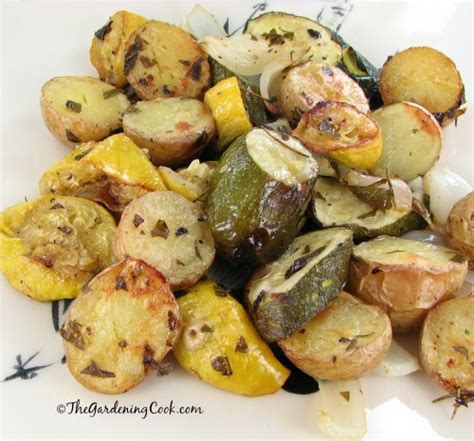
Consider if a specific component of the heritage recipe can be re-imagined with your garden’s bounty. Perhaps a traditional apple pie filling could become a peach and berry crumble, or a savory tart that typically uses leeks could feature roasted asparagus or zucchini ribbons. This allows you to retain the spirit of the dish while showcasing seasonal stars.
Practical Examples by Produce Type
Leafy Greens (Kale, Chard, Arugula, Lettuce)
- Soups and Stews: Wilt a generous amount of chopped kale or chard into nearly any heritage soup or stew during the last few minutes of cooking.
- Savory Pies/Quiches: Sauté garden greens and incorporate them into the filling of a classic quiche or savory pie.
- Pasta Dishes: Stir fresh arugula into a simple pasta sauce just before serving for a peppery bite.
Root Vegetables (Carrots, Beets, Radishes, Turnips)
- Roasted Dishes: Replace or augment potatoes in a traditional roast with rainbow carrots, parsnips, or small turnips.
- Salads: Thinly slice fresh radishes or young beets into a classic potato salad for crunch and color.
- Breads/Muffins: Grate carrots or zucchini into sweet heritage quick breads or muffins.
Summer Fruits (Berries, Peaches, Plums, Tomatoes)
- Desserts: Substitute berries or stone fruits for apples in crumbles, pies, or cobblers.
- Savory Sauces: Incorporate ripe tomatoes into any heritage sauce requiring them, or experiment with adding plums or peaches to a savory chutney for roasted meats.
- Jams & Preserves: If a recipe calls for a specific fruit preserve, make your own using your seasonal harvest.
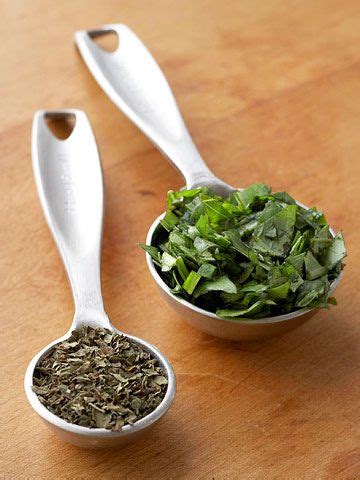
Herbs (Basil, Mint, Rosemary, Thyme)
- Infused Oils/Vinegars: Use excess herbs to create infused oils or vinegars that can then be used in salad dressings or marinades for heritage recipes.
- Compound Butters: Mix finely chopped herbs into softened butter to serve with heritage breads or roasted vegetables.
- Garnishes: A fresh sprig of parsley or mint can elevate the presentation and aroma of many dishes.

Tips for Successful Adaptation
- Start Small: Don’t overhaul an entire recipe at once. Make one or two substitutions to see how they impact the dish.
- Taste as You Go: Especially with herbs and potent vegetables, add a little, taste, and adjust.
- Consider Moisture: Some vegetables release more water when cooked (e.g., zucchini). You might need to adjust liquids in the recipe or pre-salt and drain certain produce.
- Document Changes: Keep a journal of your adaptations. Note what worked well, what didn’t, and why. This helps refine your approach over time.
- Embrace Experimentation: The beauty of cooking from your garden is the freedom to play. Don’t be afraid if a dish doesn’t turn out exactly as planned; it’s all part of the learning process.

Conclusion
Adapting heritage recipes to incorporate your seasonal garden produce is a rewarding journey that enriches both your culinary skills and your connection to food. It’s a testament to the enduring power of tradition combined with the vibrant potential of nature’s freshest offerings. So, dig into your garden, consult your family’s treasured recipes, and embark on a delicious adventure that honors the past while celebrating the present harvest.