

What’s your simplest camera setup for authentic BTS of ‘real food’ and garden life?
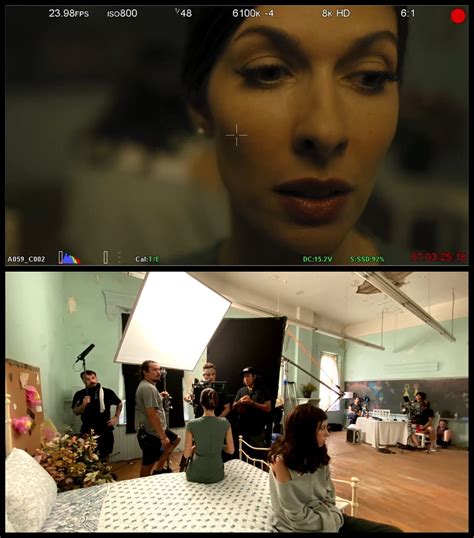
Embracing Simplicity for Authentic Storytelling
In a world saturated with highly polished content, there’s a growing appreciation for authenticity, especially when it comes to the ‘real food’ movement and documenting the natural rhythms of garden life. Behind-the-scenes (BTS) content, when done right, offers viewers an unfiltered look, building trust and connection. The irony is that often, the simplest camera setup is the most effective way to achieve this genuine feel, allowing you to be agile, unobtrusive, and present in the moment rather than bogged down by complex equipment.
The goal isn’t technical perfection, but raw honesty. This means focusing on gear that is easy to handle, quick to deploy, and doesn’t intimidate your subjects (whether they’re a bubbling pot of stew or a busy bee in a flowerbed). So, what does a truly minimalist kit look like for capturing these precious moments?
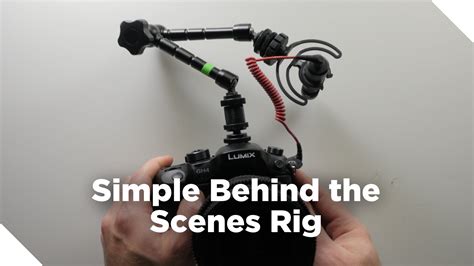
Your Primary Tool: The Smartphone
For sheer simplicity and ubiquity, your smartphone is undoubtedly the champion. Modern smartphones, especially flagship models, boast incredible camera capabilities – excellent low-light performance, sophisticated auto-focus, and often multiple lenses (wide, standard, telephoto) that cover most photographic needs. It’s always with you, instantly ready to capture those spontaneous moments that define authentic BTS. Plus, its small form factor makes it less intrusive, allowing subjects to behave more naturally.
Key advantages: Portability, ease of use, instant sharing, and surprisingly good image and video quality. Many professional food bloggers and gardeners rely almost exclusively on their phones for much of their content.
Elevating Smartphone Shots: Essential Accessories
- Mini Tripod/Grip: A small tripod or a handle like a Joby Gorillapod or a simple smartphone grip provides stability for sharper images and smoother video, crucial for overhead food shots or time-lapses in the garden.
- Clip-on Macro Lens (Optional): For intricate details of herbs or tiny insects, a decent clip-on macro lens can transform your phone’s capabilities.
- Natural Light is King: Ditch complex lighting. Position your subjects near a window or outdoors. Soft, diffused natural light is almost always the most flattering for food and plants, and it’s free!
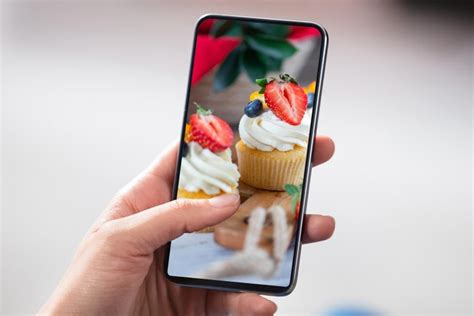
Stepping Up: A Basic Mirrorless or DSLR
If you desire more control over depth of field, better performance in very challenging light, or simply prefer the tactile feel of a dedicated camera, a basic entry-level mirrorless or DSLR can be an excellent step up without adding significant complexity.
Recommended Gear:
- Camera Body: A cropped-sensor (APS-C) mirrorless camera (e.g., Fujifilm X-T series, Sony Alpha 6000 series, Canon EOS M series) or a basic DSLR (e.g., Nikon D3500, Canon Rebel series). These offer manual controls but remain relatively compact and user-friendly.
- Lens:
- “Nifty Fifty” (50mm f/1.8): On a cropped sensor, a 50mm lens becomes roughly equivalent to a 75mm lens, offering beautiful background blur (bokeh) perfect for isolating dishes or garden elements. It’s sharp, fast, and incredibly affordable.
- Kit Lens (18-55mm or similar): Often bundled with cameras, these zoom lenses are versatile for wider shots of your kitchen or garden space, as well as closer details. While not as fast as prime lenses, they offer flexibility.
- Accessories: Again, a lightweight travel tripod is invaluable. A simple reflector/diffuser disc (5-in-1 collapsible) can bounce natural light into shadows or soften harsh sunlight.

Capturing ‘Real Food’ Moments Authentically
The beauty of real food lies in the process – the chopping, the mixing, the simmering, the plating. Your simple setup allows you to focus on these actions rather than camera settings. Position yourself to capture candid shots: steam rising from a pot, hands kneading dough, a final sprinkle of herbs. Shoot from various angles: overhead for mise en place, eye-level for plating, or a low angle to emphasize a bubbling pot.
Don’t be afraid of imperfections; a stray flour dusting or a rustic-looking vegetable adds to the charm. Embrace the story being told by the ingredients and the hands preparing them.
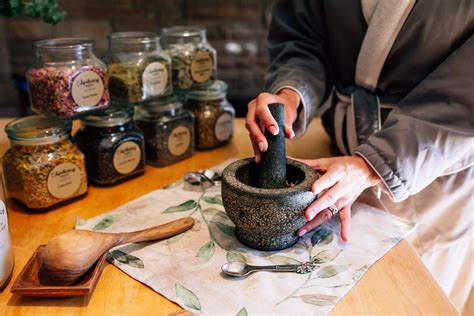
Documenting Garden Life with Ease
Garden life is dynamic and ever-changing. Your simple setup is perfect for capturing the cycle of growth, the joy of harvest, or the tiny ecosystems at play. Focus on macro shots of blossoms and insects with your phone or a 50mm lens. Use wide shots to show the expanse of your garden, and detail shots to highlight a ripening tomato or a busy pollinator.
Consider shooting in different weather conditions and times of day to showcase the garden’s diverse moods. Raindrops on leaves, morning dew, or the golden hour glow can all add profound character to your imagery. Remember, authenticity in the garden often means documenting what is, not just what is perfect.
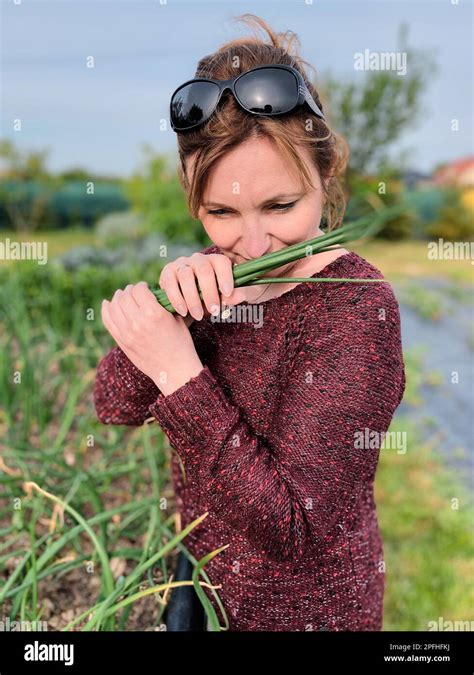
The Essence of Authenticity: Be Present
Ultimately, the simplest camera setup empowers you to be more present in the moment. When you’re not wrestling with complex settings or heavy gear, you’re free to observe, react, and capture the genuine emotions and unfolding stories of your kitchen and garden. Natural light, a steady hand (or tripod), and an observant eye are often far more impactful than any expensive lens or strobe light. Let your simple gear be a tool for storytelling, not a barrier to it.