


How do I keep my garden herbs fresh longer after harvesting?
Maximize Freshness: Your Guide to Post-Harvest Herb Storage
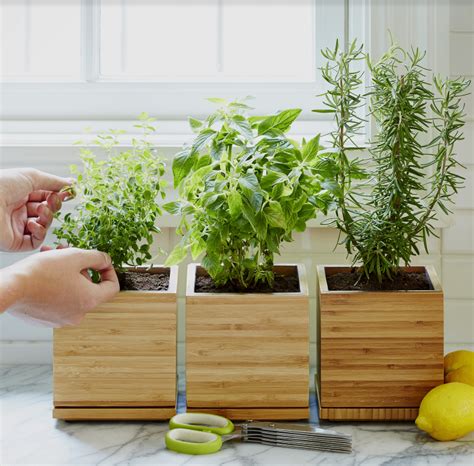
There’s nothing quite like the aromatic burst of fresh herbs from your garden. However, their delicate nature often means they wilt quickly after harvesting. Don’t let your culinary treasures go to waste! With a few simple techniques, you can extend the life of your herbs, ensuring their vibrant flavors enhance your dishes for days, weeks, or even months.
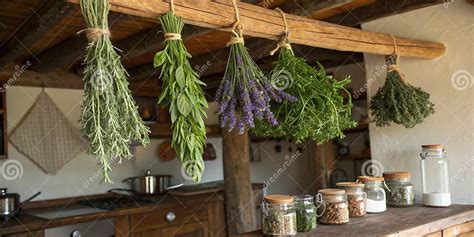
Short-Term Solutions: Refrigeration Methods
For herbs you plan to use within a week or two, refrigeration is your best bet. The key is to mimic their natural growing environment or protect them from moisture loss.
1. The “Bouquet” Method (for hardy, stemmy herbs)
This method works wonderfully for herbs like parsley, cilantro, dill, mint, and basil (though basil prefers room temperature if possible, away from cold). Trim the bottom of the stems, remove any yellowed or damaged leaves, and place the herb stems in a glass or jar with about an inch of water, much like a bouquet of flowers. Cover the leaves loosely with a plastic bag (or a damp paper towel for basil) and refrigerate. Change the water every day or two. This can keep herbs fresh for up to two weeks.
2. Damp Paper Towel Method (for delicate, leafy herbs)
For more delicate leafy herbs like lettuce-leaf basil or chives, gently wash and dry them thoroughly. Wrap them loosely in a slightly damp paper towel, then place the bundle inside a sealed plastic bag or an airtight container. Store in the refrigerator’s crisper drawer. This method helps maintain moisture without making them soggy, keeping them fresh for about a week.
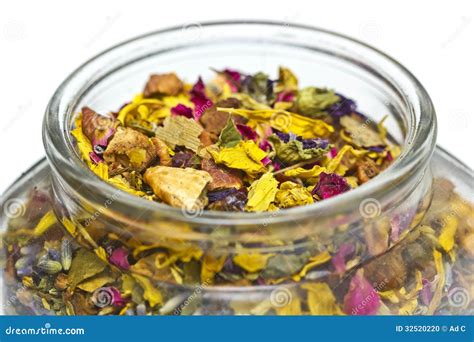
Medium-Term Preservation: Freezing for Flavor
Freezing is an excellent way to preserve herbs for several weeks to several months, retaining much of their flavor and color for cooking, though their texture may soften upon thawing. This works well for nearly all herbs, especially parsley, cilantro, dill, chives, oregano, and thyme.
1. Herb Ice Cubes
Finely chop your herbs and pack them into ice cube trays. Cover the herbs with a neutral oil (like olive oil or avocado oil) or water. Freeze until solid, then transfer the herb cubes to an airtight freezer bag or container. You can pop a cube directly into soups, stews, sauces, or stir-fries for a burst of fresh flavor.
2. Flash Freezing
For larger quantities or whole leaves, spread clean, dry herbs in a single layer on a baking sheet. Freeze until solid (about an hour), then transfer to freezer-safe bags or containers. This prevents them from clumping together and allows you to grab just what you need.
Long-Term Storage: Drying for Lasting Aroma
Drying is a traditional method that concentrates an herb’s flavor, making it perfect for long-term storage (up to a year or more). This method is best for herbs with lower moisture content and robust flavors, such as rosemary, thyme, oregano, marjoram, sage, and bay leaves.
1. Air Drying
Gather small bunches of herbs, tie them with twine, and hang them upside down in a warm, dry, well-ventilated area away from direct sunlight. This can take anywhere from one to three weeks. Once completely dry and brittle, strip the leaves from the stems and store them in airtight jars or containers in a cool, dark place.
2. Oven or Dehydrator Drying
For a quicker method, a food dehydrator is ideal. Follow your dehydrator’s instructions for drying herbs. Alternatively, you can use an oven set to its lowest temperature (100-150°F or 40-65°C) with the door slightly ajar to allow moisture to escape. Spread herbs in a single layer on a baking sheet and check frequently, turning occasionally, until completely dry.
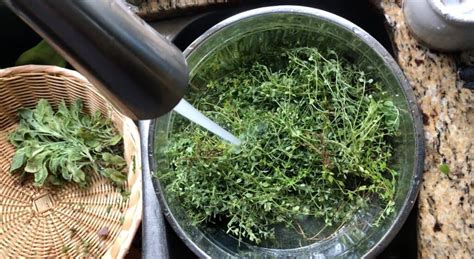
Flavor Infusion: Oils and Vinegars
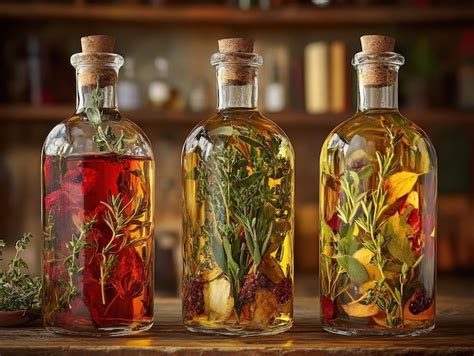
Infusing herbs into oils or vinegars is not only a fantastic way to preserve their essence but also creates flavorful condiments. This method is great for herbs like rosemary, thyme, oregano, and basil.
1. Herb-Infused Oils
Fill a clean, sterile bottle with fresh, clean, and completely dry herbs. Cover the herbs with a good quality olive oil or other neutral oil. Seal tightly and let it infuse in a cool, dark place for 1-2 weeks, shaking occasionally. Strain the oil through cheesecloth to remove the herbs, then store the infused oil in a cool, dark place. Caution: Ensure herbs are completely dry to prevent botulism. For safety, homemade infused oils should be refrigerated and used within a week, or acidulated (e.g., with vinegar) or heat-treated for longer storage.
2. Herb-Infused Vinegars
Similar to oils, place fresh, clean, and dry herbs in a sterile bottle. Fill with white wine vinegar, apple cider vinegar, or distilled white vinegar. Seal and let infuse for 1-2 weeks in a cool, dark place. Strain, and store in a cool, dark place. Infused vinegars generally have a longer shelf life due to their acidity.
Enjoy Your Garden’s Bounty Year-Round
By employing these various preservation techniques, you can significantly extend the life of your garden herbs. Whether you need a fresh sprig for garnish, a frozen cube for a quick sauce, or dried flakes for a winter stew, knowing how to properly store your herbs ensures that the vibrant flavors of your garden are always at your fingertips. Experiment with these methods to find what works best for your favorite herbs and culinary needs!