


What organic methods prevent blight in a small real food kitchen garden?
For anyone passionate about cultivating a ‘real food’ kitchen garden, few adversaries are as disheartening as blight. This common fungal or fungal-like disease can rapidly devastate crops like tomatoes, potatoes, and peppers, turning a promising harvest into a heartbreaking loss. Fortunately, a small garden doesn’t mean you’re helpless. By embracing a suite of organic, proactive methods, you can significantly reduce the risk of blight and ensure your homegrown produce thrives naturally.
Understanding Blight and Its Threat to Your Garden
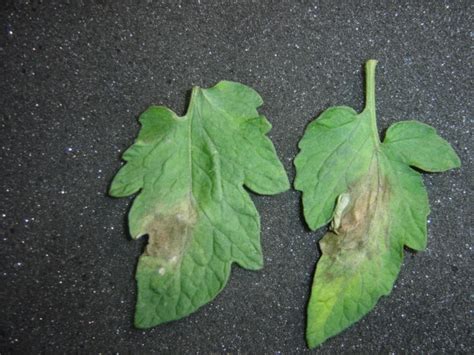
Blight is a broad term primarily referring to two main types: early blight and late blight. Early blight (Alternaria solani) often appears earlier in the season, typically starting on older leaves with target-like spots. Late blight (Phytophthora infestans), famously responsible for the Irish potato famine, is far more aggressive, thriving in cool, wet conditions and capable of wiping out entire crops quickly. Both spread rapidly via spores carried by wind and water, making prevention crucial, especially in a compact garden where plants are often in close proximity.
Building a Strong Defense: Proactive Organic Methods
1. Smart Plant Selection and Placement
One of the simplest yet most effective preventative measures is choosing blight-resistant or tolerant varieties of your favorite vegetables. Many seed catalogs now highlight these options. For instance, look for tomato varieties like ‘Defiant PhR’ or ‘Mountain Magic’. Once you have your plants, ensure they have ample space. Good air circulation is paramount; overcrowding creates humid microclimates that blights adore. Follow recommended spacing, even if it means planting fewer individual plants.
2. Nurturing Healthy Soil
A robust plant grown in healthy soil is inherently more resistant to disease. Enrich your garden beds with plenty of organic compost, which improves drainage, provides essential nutrients, and supports a diverse soil microbiome that can suppress pathogens. Test your soil regularly to ensure balanced pH and nutrient levels, as stressed plants are more susceptible to disease. Avoid over-fertilizing with nitrogen, which can lead to lush, tender growth that’s more vulnerable to fungal attack.

3. Watering Wisdom and Garden Hygiene
Blight spores need moisture to germinate and infect plants. Always water at the base of your plants in the morning, allowing any incidental leaf wetness to dry quickly in the sun. Avoid overhead irrigation, especially in the evening. Beyond watering, meticulous garden hygiene is critical. Promptly remove any diseased leaves, stems, or fruits and dispose of them away from the garden (do not compost blighted material). Regularly clean gardening tools, especially after working with potentially infected plants, to prevent accidental spread.
4. Strategic Mulching and Companion Planting
Applying a thick layer of organic mulch (like straw, shredded leaves, or wood chips) around your plants serves multiple purposes. It acts as a physical barrier, preventing soil-borne blight spores from splashing onto lower leaves during watering or rain. Mulch also helps retain soil moisture, suppress weeds, and regulate soil temperature. Additionally, consider companion planting; some plants, like marigolds or borage, are believed to have beneficial effects on neighboring plants, potentially deterring pests and diseases.

5. Organic Preventative Treatments
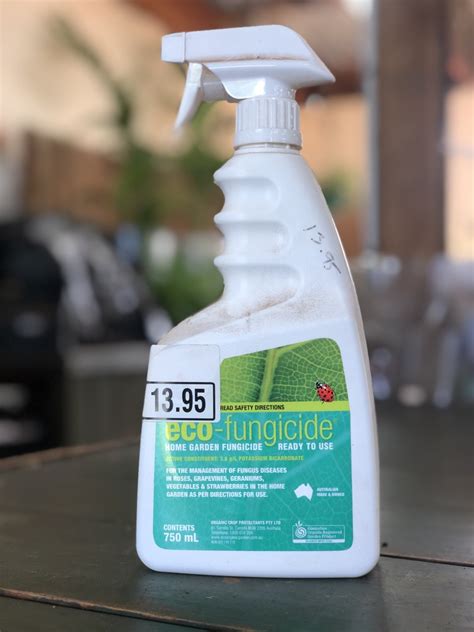
While prevention is key, certain organic, OMRI-listed sprays can offer an additional layer of defense if blight pressure is high in your area or season. Copper-based fungicides and neem oil can be used preventatively or at the very first sign of disease. However, these should be used judiciously and according to label instructions, as even organic treatments can impact beneficial insects and soil microbes. Always apply on dry leaves and ensure good coverage.
Vigilance and Early Intervention
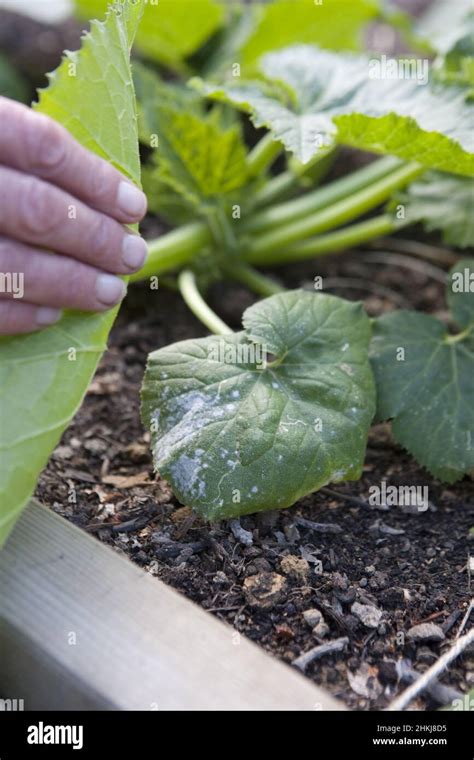
Despite your best efforts, blight can sometimes appear. Regular inspection of your plants, especially the undersides of leaves, is vital. If you spot any suspicious lesions or spots, act immediately. Carefully remove and destroy all affected plant parts. If an entire plant is heavily infected, it’s often best to remove it completely to prevent further spread. The quicker you intervene, the better chance your remaining plants have.
Conclusion
Preventing blight in a small real food kitchen garden is an ongoing commitment to organic principles. By focusing on healthy soil, appropriate plant choices, diligent hygiene, and proactive care, you can create an environment where your vegetables are strong and resilient. Embrace these organic methods, and you’ll be well on your way to enjoying bountiful, blight-free harvests from your very own backyard oasis.