

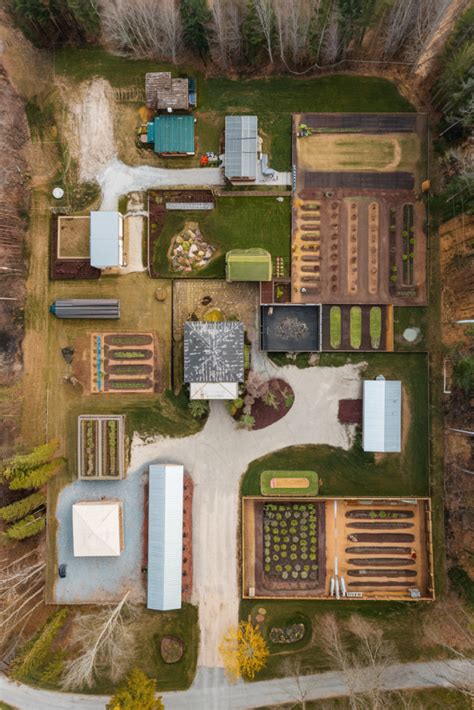

How to naturally deter common pests from organic vegetable gardens?
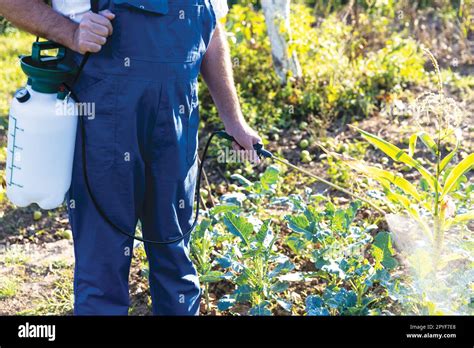
Embrace Nature’s Defenders: Why Natural Pest Control Matters
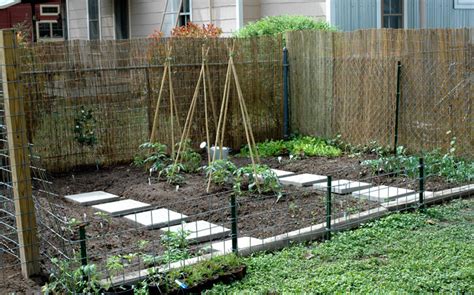
Cultivating an organic vegetable garden is a rewarding endeavor, yielding fresh, healthy produce free from synthetic pesticides. However, the absence of chemicals also means learning to coexist with nature’s challenges, including common garden pests. The good news is that an abundance of natural, sustainable strategies can help you protect your plants and maintain a thriving ecosystem without resorting to harmful substances.
By understanding and implementing ecological principles, you can transform your garden into a resilient sanctuary where plants flourish and pests are kept in check by natural predators and deterrents.
Building a Resilient Garden from the Ground Up (Prevention is Key)
The most effective pest control begins with prevention. A strong, healthy garden is inherently more resistant to infestations. Focus on creating an environment that supports plant vigor and naturally discourages pests.
Healthy Soil, Healthy Plants
Just like humans, strong plants are better equipped to fight off invaders. Nutrient-rich, well-draining soil teeming with microbial life is the foundation of a healthy garden. Incorporate plenty of organic matter like compost and well-rotted manure to build soil fertility and structure, which in turn boosts plant immunity and resilience.
Smart Planting Strategies
- Crop Rotation: Avoid planting the same crop in the same spot year after year. This confuses pests and breaks their life cycles in the soil.
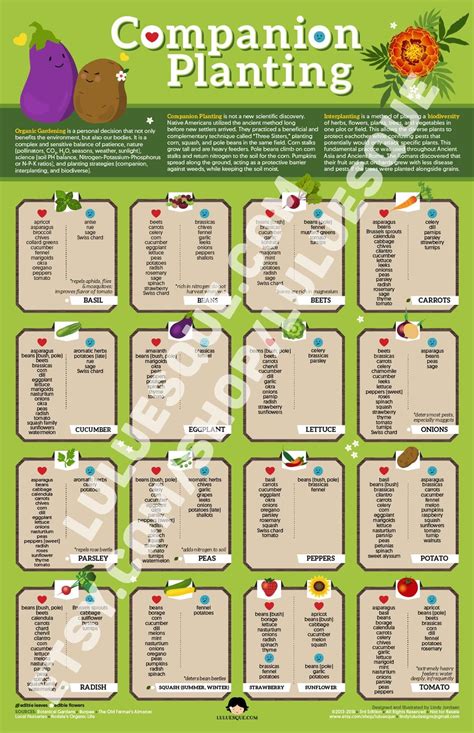
- Companion Planting: Some plants naturally deter pests or attract beneficial insects. Marigolds, for instance, are known to repel nematodes and other ground pests, while nasturtiums can act as a trap crop for aphids. Garlic and onions can deter a range of insects.
- Garden Diversity: A polyculture garden with a mix of vegetables, herbs, and flowers creates a more complex ecosystem that can confuse pests and make it harder for them to find their preferred host plants.
Attracting Beneficial Insects
Many insects are your allies in the garden. Ladybugs, lacewings, predatory wasps, and hoverflies feast on common pests like aphids, mites, and caterpillars. Plant flowers that attract these helpful predators, such as dill, fennel, cilantro, cosmos, sunflowers, and yarrow. Provide a water source and shelter to encourage them to take up permanent residence in your garden.
Active Measures: When Pests Appear
Even with the best preventative measures, some pests will inevitably find their way into your garden. When they do, there are several natural interventions you can employ.
Physical Barriers and Manual Removal
- Row Covers: Lightweight fabric covers can physically exclude many flying insects, such as cabbage worms, squash bugs, and cucumber beetles, especially during vulnerable seedling stages.
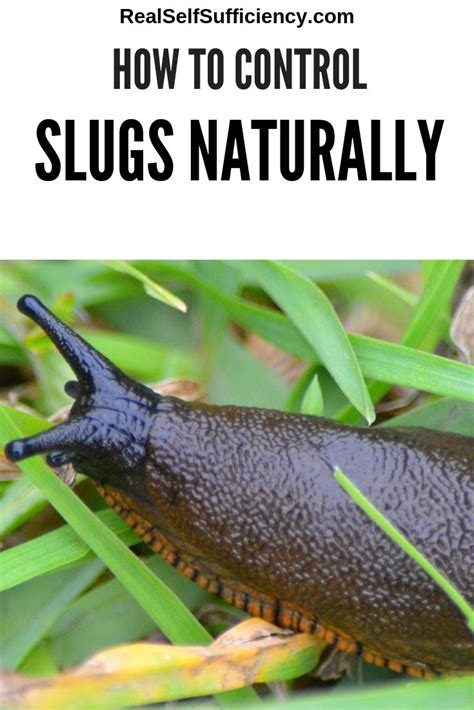
- Hand-Picking: For larger pests like tomato hornworms or slugs, manual removal is highly effective. Check plants daily, especially in the early morning or evening, and drop pests into a bucket of soapy water.
- Water Blasts: A strong spray of water from a hose can dislodge aphids and spider mites from plant leaves. Repeat every few days until the infestation is gone.
Homemade Organic Sprays
For more widespread but still manageable infestations, consider homemade sprays:
- Neem Oil Spray: Derived from the neem tree, this oil disrupts insect feeding and growth cycles. Mix according to package directions and spray on affected plants, focusing on both the top and underside of leaves.
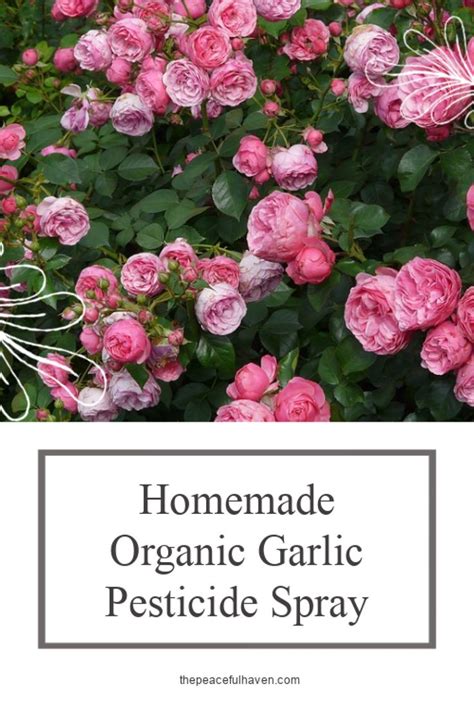
- Garlic/Pepper Spray: Blend garlic cloves and hot peppers with water, strain, and add a little liquid soap. The pungent odor and taste can repel many soft-bodied insects.
- Insecticidal Soap: A simple solution of mild liquid soap (e.g., Castile soap) and water can suffocate soft-bodied pests like aphids, mealybugs, and spider mites. Avoid dish soaps with degreasers, which can harm plants.
Trap Cropping
Planting a small patch of a pest’s favorite food away from your main crops can draw them away. For example, planting sacrificial nasturtiums to attract aphids, or mustard greens to lure flea beetles, allows you to manage pests in a concentrated area without impacting your primary harvest.
Ongoing Vigilance and Observation
Successful natural pest control requires consistent observation. Regularly inspect your plants for signs of pest damage or the pests themselves. Early detection makes it much easier to manage an infestation before it gets out of control. Learn to identify common pests in your region and understand their life cycles.
Cultivating Harmony in Your Organic Garden
Deterring common pests naturally from your organic vegetable garden is an ongoing process of learning, observation, and adaptation. It’s about fostering a balanced ecosystem rather than waging war. By focusing on healthy soil, strategic planting, encouraging beneficial insects, and employing targeted natural interventions, you can enjoy a bountiful harvest while honoring the principles of organic gardening.
Embrace the journey of creating a vibrant, resilient garden that works in harmony with nature, providing fresh food for your table and a healthy environment for all.