


How can family chores teach kids real food skills & country living lessons?
Beyond the To-Do List: Chores as a Classroom for Life
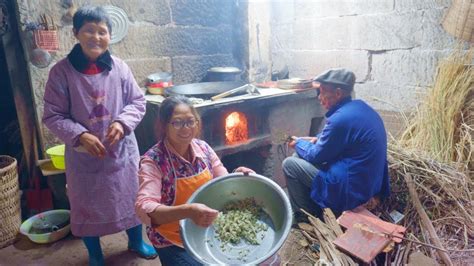
In our increasingly digital world, the art of growing, preparing, and appreciating real food, alongside the practical wisdom of country living, can seem like lost arts. Yet, the family home, through the simple act of shared chores, offers an unparalleled opportunity to instill these vital skills and values in children. Chores aren’t just about keeping a tidy house; they are a hands-on curriculum that teaches resilience, resourcefulness, and a profound connection to the natural world.
Cultivating the Farm-to-Table Mindset at Home
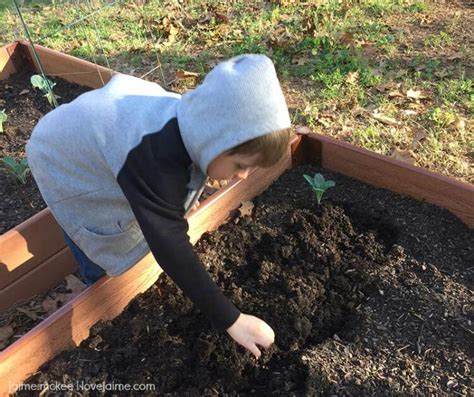
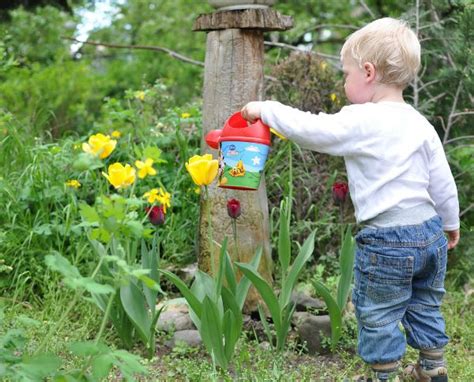
Even without a sprawling farm, families can foster a farm-to-table understanding. Involving children in a small backyard garden, container plants, or even trips to local farmers’ markets lays the groundwork. Chores like planting seeds, watering vegetables, pulling weeds, or harvesting ripe produce teach patience, the rhythm of seasons, and the effort required to bring food to the table. They learn where food truly comes from, fostering an appreciation far beyond what a supermarket aisle can offer. This direct involvement demystifies the food process, making healthy eating choices a natural extension of their efforts.
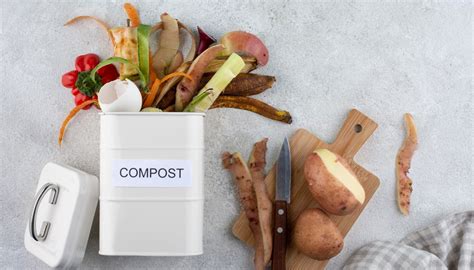
Furthermore, composting kitchen scraps introduces them to the concept of waste reduction and nutrient cycling, illustrating how seemingly discarded items can enrich the soil for future growth. These activities sow the seeds of environmental stewardship and sustainable living practices that are cornerstones of country life.
From Raw Ingredients to Delicious Meals: Practical Food Skills
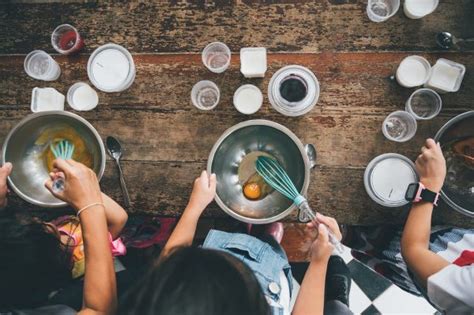
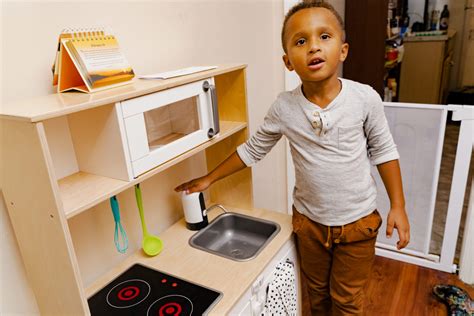
Kitchen chores are perhaps the most direct route to developing real food skills. Starting with age-appropriate tasks, children can progress from washing fruits and vegetables to peeling, chopping (with supervision), and mixing ingredients. Even setting the table or helping to clear dishes teaches organization and responsibility. As they grow, they can learn basic cooking techniques like stirring a sauce, boiling pasta, or baking simple bread.
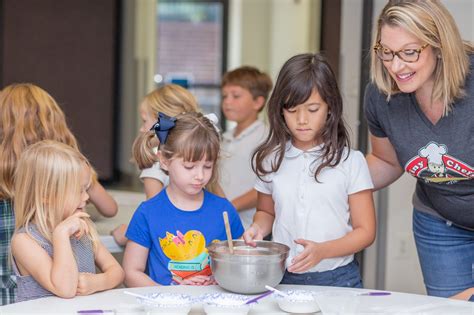
These experiences build confidence, teach them about different ingredients, and demystify the cooking process. When children help prepare meals, they are more likely to try new foods and understand the value of a balanced diet. It’s a foundational skill for independence and healthy living, empowering them to nourish themselves and others.
Embracing Resourcefulness and Self-Sufficiency
Country living often necessitates a mindset of resourcefulness and making do with what you have. Family chores can mimic this by teaching children to care for their belongings, mend minor tears, or help with small household repairs. Beyond the kitchen and garden, tasks like organizing a pantry, sorting recyclables, or even caring for family pets (feeding, cleaning up after them) instill a sense of responsibility and the interconnectedness of a household.
These “hands-on” lessons teach problem-solving and the satisfaction of contributing meaningfully to the family unit. They learn that a well-functioning home requires everyone’s effort and that waste is minimized when things are cared for and used wisely. This practical knowledge builds self-reliance and prepares them for an independent future, whether they live in the city or the countryside.
Fostering a Strong Work Ethic and Community Spirit
The consistent routine of chores instills discipline, perseverance, and a strong work ethic. Children learn that tasks need to be completed, even when they’re not always fun, and that their contributions are vital to the family’s well-being. This understanding of shared responsibility fosters a sense of belonging and teaches them the value of teamwork.
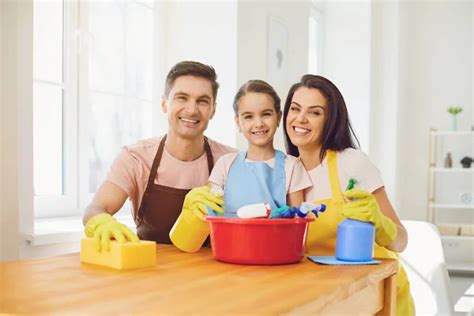
In a family context, chores mirror the community spirit often found in country living, where neighbors help neighbors. It’s about pulling your weight and understanding that collective effort makes life better for everyone. These are invaluable character traits that extend far beyond the home, influencing their interactions in school, work, and wider society.
Conclusion: Building Resilient, Connected Individuals
Far from being burdensome tasks, family chores are a powerful pedagogical tool. They provide a tangible link to food production, impart essential culinary skills, cultivate a spirit of resourcefulness reminiscent of country living, and forge a robust work ethic. By engaging children in these everyday responsibilities, parents are not just getting help around the house; they are actively shaping resilient, independent, and connected individuals equipped with the practical knowledge and character to thrive in any environment. These are the real-world skills and timeless lessons that truly last a lifetime.