


How to preserve fresh farm finds from country travels safely?
Bringing Home the Bounty: Essential Preservation Tips
There’s an undeniable charm in exploring the countryside and discovering local farm stands, brimming with the freshest produce, artisanal cheeses, homemade jams, and unique meats. However, the joy of these farm finds can quickly turn into a challenge if not properly handled for the journey home and beyond. Ensuring your delicious discoveries remain safe and edible requires a bit of planning and execution. This guide will walk you through the best practices for preserving your country haul, from the moment of purchase to long-term storage.
Planning Ahead for Your Haul
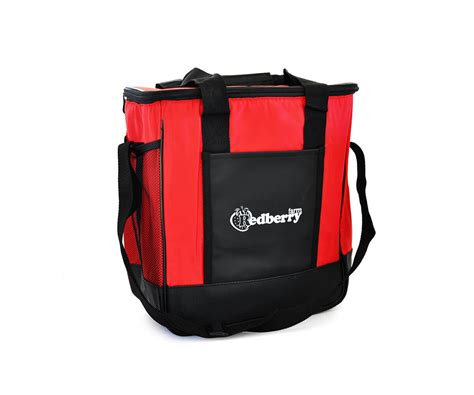
Before you even set out on your country adventure, consider what you might bring back. Different items require different handling. If you anticipate purchasing perishables like berries, eggs, or fresh meats, preparation is key. Always pack a sturdy cooler bag or insulated box with several ice packs or frozen water bottles. These will be your best friends for maintaining a safe temperature for temperature-sensitive items. Also, consider bringing reusable bags, small containers, or even parchment paper to protect delicate items from bruising or crushing during transport.
On-Site Selection and Initial Steps
When you’re at the farm or market, take your time to select the freshest produce. Ask the farmers about their harvesting times and best storage recommendations. For berries, choose firm, plump fruits free of mold. Leafy greens should be crisp and vibrant. If buying meat or dairy, ensure it has been kept properly chilled at the farm stand. As soon as you purchase perishables, transfer them immediately into your pre-chilled cooler. If possible, avoid washing produce until you’re ready to use or preserve it, as moisture can accelerate spoilage.
Safe Transport Strategies
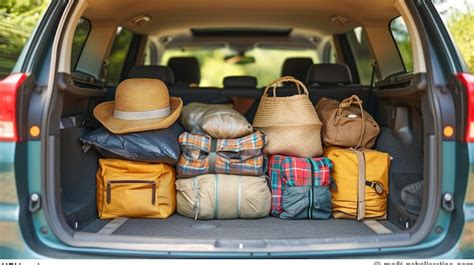
The journey home is often the most critical phase for preserving your farm finds. Maintaining a consistent, cool temperature is paramount, especially for meats, dairy, and delicate fruits. Position your cooler in the coolest part of your vehicle, away from direct sunlight. If your drive is long, consider refreshing ice packs along the way. Arrange items carefully in your cooler: heavier, sturdier items at the bottom, and fragile goods like berries or herbs on top. Separate strong-smelling foods (like certain cheeses or onions) from those that might absorb odors. Minimize stops and get your items into refrigeration as soon as you arrive home.
At-Home Preservation Methods
Immediate Processing
Once you’re home, unload your farm finds promptly. Wash and dry fruits and vegetables only when you’re ready to consume or preserve them. For items like leafy greens, pat them thoroughly dry before storing them in airtight containers lined with a paper towel in the refrigerator. Berries are best stored unwashed in a single layer in the fridge until use.
Longer-Term Preservation
For items you won’t use immediately, consider various preservation techniques:
- Freezing: Most fruits and vegetables can be blanched (briefly boiled and then plunged into ice water) and then frozen. Berries can often be frozen whole on a baking sheet before transferring to a freezer bag.
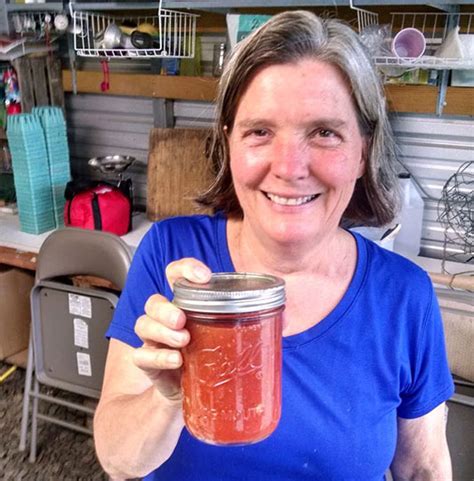
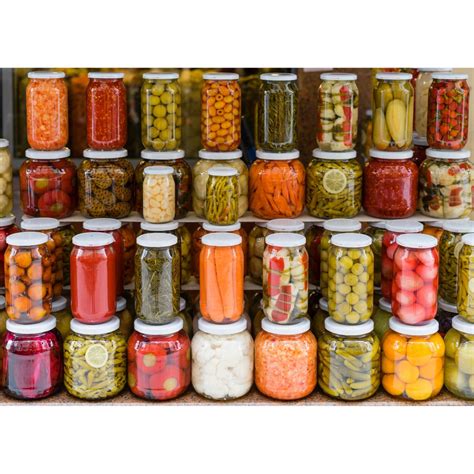
- Canning: High-acid fruits (like tomatoes, peaches, and berries) are excellent candidates for water bath canning. Low-acid vegetables and meats require a pressure canner. Always follow tested recipes from reliable sources like the USDA.
- Drying: Herbs, some fruits (like apples and berries), and certain vegetables can be dried using a dehydrator or oven. This method concentrates flavors and extends shelf life significantly.
- Pickling: Cucumbers, beans, and other vegetables can be preserved in a vinegar brine.
Food Safety First
Throughout the entire process, from selection to storage, prioritize food safety. Always wash your hands thoroughly before handling food. Use separate cutting boards and utensils for raw meats and produce to prevent cross-contamination. If any food item shows signs of spoilage – unusual odor, mold, slimy texture – it’s best to discard it. When in doubt, throw it out. Properly preserved food not only tastes better but also ensures a safe and enjoyable culinary experience.
Enjoying Your Harvest
With careful planning and execution, your country travel finds can be enjoyed for weeks or even months to come. Preserving the bounty of the farm is a rewarding experience, allowing you to savor the flavors of your travels long after the journey ends. So, next time you hit the open road, embrace the opportunity to bring a piece of the countryside back home, safely and deliciously.