



Best ways to keep homemade food fresh on a rustic camping trip?
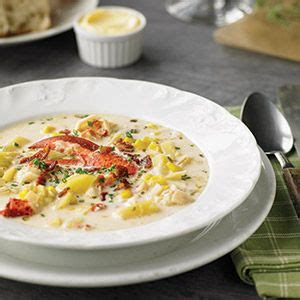
Embarking on a rustic camping trip offers a unique opportunity to disconnect and immerse yourself in nature. However, the lack of refrigerators, running water, and reliable power sources presents a significant challenge when it comes to keeping homemade food fresh and safe to eat. Bringing your own pre-made meals can be incredibly rewarding, offering healthier, tastier, and more budget-friendly options than relying solely on packaged foods. The key lies in strategic planning and smart execution.
The Challenge of Rustic Food Preservation
Unlike modern campgrounds with amenities, rustic sites often mean truly roughing it. This environment, while liberating, creates ideal conditions for food spoilage: varying temperatures, humidity, and exposure to critters. Meat, dairy, and cooked vegetables are particularly vulnerable. The goal is not just to maintain taste but, more importantly, to prevent foodborne illnesses that could quickly derail your adventure.
Homemade food brings comfort and familiarity to the wilderness, allowing you to enjoy nutritious meals tailored to your preferences. From hearty stews to fresh salads (if properly managed), the possibilities are endless. But achieving this requires a proactive approach to food safety and freshness that goes beyond just tossing items in a cooler.
Smart Pre-Trip Preparation is Key
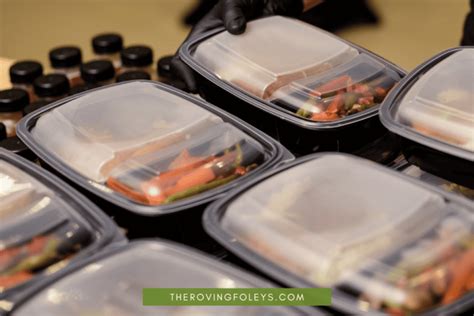
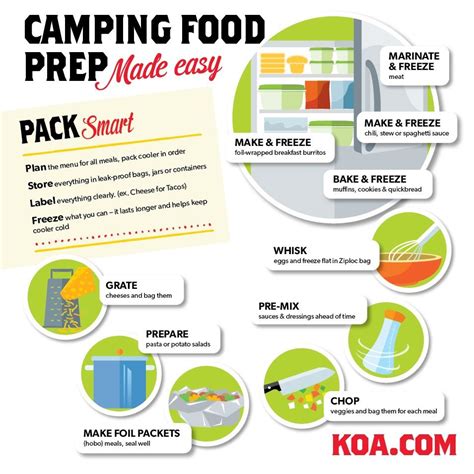
Success begins long before you hit the road. Meticulous meal planning is paramount: decide what you’ll eat for each meal, factoring in the order of consumption (perishables first). Cook as much as possible at home. Full meals like chili, pasta sauces, or curries can be prepared, cooled, and then frozen in airtight, portion-sized containers. This not only saves cooking time at the campsite but also acts as an additional cooling element for your cooler.
Vacuum sealing is your best friend for rustic camping. It removes oxygen, significantly extending the shelf life of raw meats, cheeses, and even some cooked items. If you don’t have a vacuum sealer, use heavy-duty freezer bags, squeezing out as much air as possible. Label everything clearly with contents and date. Freezing items solid before packing them into your cooler will ensure they stay colder for longer, slowly thawing over several days.
Mastering Your Cooling System
A high-quality cooler is an investment worth making for rustic trips. Look for models with thick insulation and a tight-fitting lid. For optimal performance, pre-chill your cooler with sacrificial ice for at least 12-24 hours before packing. Drain this water, then pack your actual food.
Layering is crucial. Place frozen items at the bottom, followed by less perishable items, then more perishable foods towards the top. Use a combination of ice blocks and ice packs; blocks melt slower than cubes, and reusable ice packs avoid soggy food. For longer trips, consider using dry ice at the bottom of a dedicated cooler (with proper ventilation) for deep freezing, but never directly touch dry ice with bare skin.

Selecting the Right Foods for the Wilderness
When planning homemade meals, prioritize ingredients with a longer shelf life. Hard cheeses, cured meats (like pepperoni or salami), root vegetables (carrots, potatoes, onions), and hardy fruits (apples, oranges) are excellent choices. Grains like rice or pasta, and legumes, are staples that don’t require refrigeration until cooked.
Minimize items that spoil quickly, such as fresh berries, leafy greens (unless consumed immediately), raw poultry, and highly perishable dairy products like cottage cheese or yogurt. If you must bring these, plan to eat them on the first day. Opt for shelf-stable alternatives like powdered milk, dehydrated eggs, or canned meats for later in the trip.
On-Site Storage and Hygiene Best Practices
Even with the best packing, on-site practices are vital. When at camp, always keep your cooler in the shade, covered with a tarp or blanket for added insulation. Elevate it off the ground to prevent heat transfer from the earth. Never leave food open or unattended, as it attracts insects and wildlife. Use bear-resistant containers or hang food from a tree limb if camping in bear country.
Hygiene is non-negotiable. Always wash your hands thoroughly with soap and water (or use hand sanitizer) before and after handling food. Use separate cutting boards and utensils for raw meats and cooked foods to prevent cross-contamination. Pack biodegradable soap and a small collapsible basin for dishwashing, always disposing of greywater away from natural water sources.
Maximizing Freshness with Smart Habits
Adopt habits that prolong food freshness. Open your cooler as infrequently as possible and close it quickly. Consolidate items as food is eaten to reduce empty space, which can fill with warm air. If you have access to a cold stream or spring, you can use it as a natural refrigerator for sealed items, ensuring they are weighted down and secured to prevent them from floating away or getting wet inside.
Keep food items dry. Moisture promotes bacterial growth and spoilage. If ice melts, drain the water periodically and replace with fresh ice if available. Storing items in separate dry bags within the cooler can also protect them from water exposure. For produce, wrap items like lettuce or herbs in damp paper towels and then in a plastic bag; this micro-environment can keep them crisp for a day or two longer.
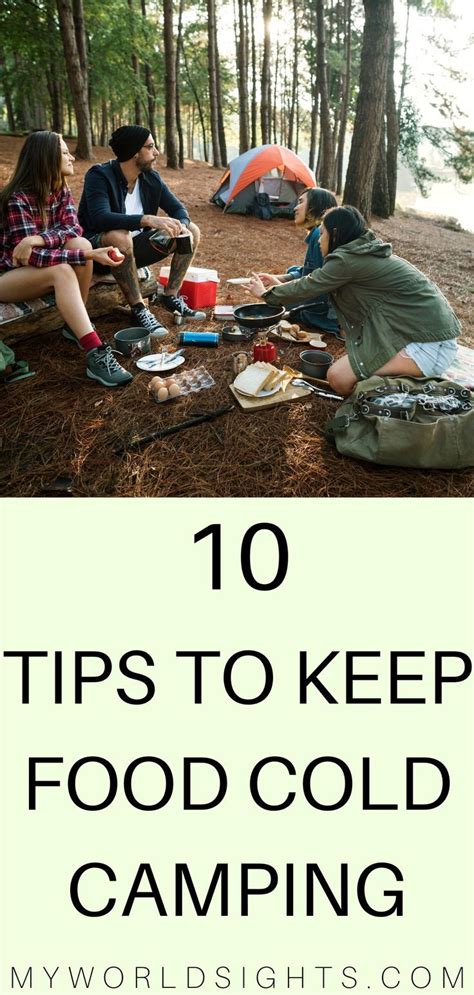
Conclusion: Savoring Freshness in the Wild
Keeping homemade food fresh on a rustic camping trip is entirely achievable with careful planning, the right equipment, and diligent practices. From smart pre-trip preparation and optimal cooler management to thoughtful food selection and strict campsite hygiene, every step contributes to a safe and enjoyable culinary experience in the great outdoors. By embracing these strategies, you can truly savor the comforts of home-cooked meals while fully immersing yourself in the wild, without compromising on health or taste.