

Best methods for preserving garden tomatoes for winter use without canning?

Enjoying Garden Freshness All Year Round
There’s nothing quite like a ripe, juicy tomato picked straight from your garden. As the growing season winds down, many home gardeners face the delightful dilemma of an abundant harvest. While canning is a traditional preservation method, it’s not the only way to enjoy your homegrown tomatoes through the colder months. Several simpler, less time-consuming techniques allow you to capture that summer flavor without the fuss of water baths or pressure canners.
1. Freezing Whole or Halved Tomatoes: The Simplest Method
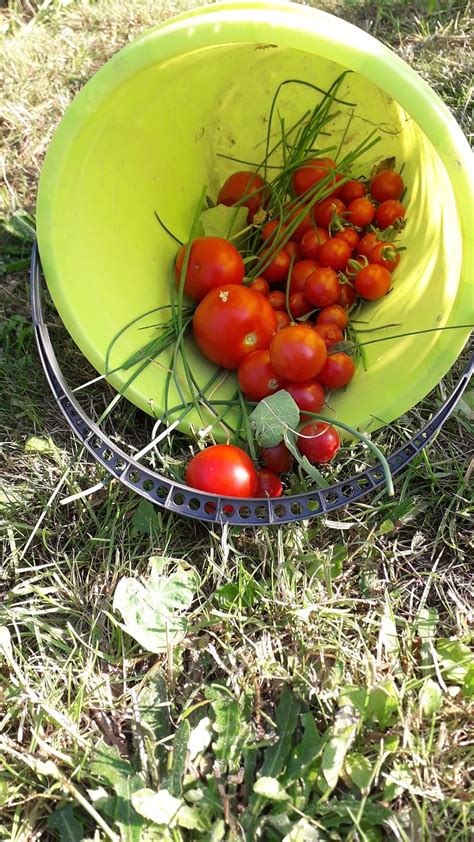
Freezing is arguably the easiest and most versatile way to preserve tomatoes without canning. This method is perfect for using tomatoes in soups, stews, chilis, or sauces later on. You don’t even need to blanch them!
Steps:
- Wash and Core: Thoroughly wash your tomatoes. Remove the core and any blemishes. For larger tomatoes, you can cut them in half or quarters.
- Flash Freeze: Place the clean, cored tomatoes (whole or cut) in a single layer on a baking sheet lined with parchment paper. Ensure they aren’t touching. Freeze for 1-2 hours, or until solid. This prevents them from sticking together in the bag.
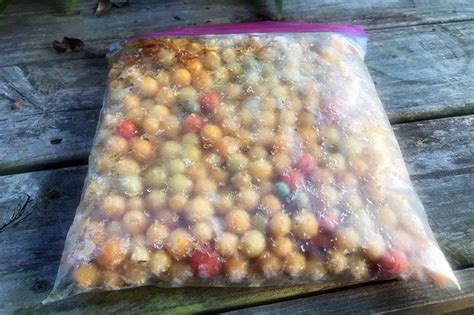
- Transfer to Freezer Bags: Once frozen solid, transfer the tomatoes to heavy-duty freezer bags or airtight containers. Remove as much air as possible to prevent freezer burn.
- Label and Store: Label with the date. Frozen tomatoes will keep for up to 12 months. When ready to use, simply run warm water over them, and the skins will slip right off.
2. Freezing Roasted or Cooked Tomato Puree/Sauce
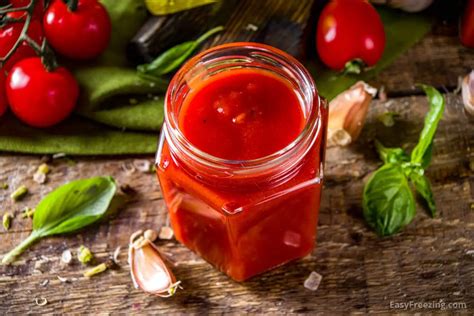
If you prefer a ready-to-use base for sauces, freezing cooked or roasted tomato puree is an excellent option. This method concentrates the flavor and saves you time during winter meal prep.
Steps:
- Roast or Cook: Halve or quarter your tomatoes. You can roast them with olive oil, garlic, and herbs until softened and slightly caramelized, or cook them down on the stovetop until they break down.
- Blend: Once cooled, blend the cooked tomatoes using an immersion blender or a regular blender until smooth. For a very smooth sauce, you can pass it through a food mill to remove seeds and skins (though this is optional if you froze them whole earlier).
- Reduce (Optional): Simmer the puree on the stovetop to reduce excess moisture and intensify the flavor, if desired.
- Portion and Freeze: Pour the cooled puree into freezer-safe containers, ice cube trays, or silicone molds. If using ice cube trays, once solid, pop them out and transfer to freezer bags. This allows for convenient portioning.
- Label and Store: Label and store in the freezer for up to 6-9 months.
3. Sun-Dried or Dehydrated Tomatoes
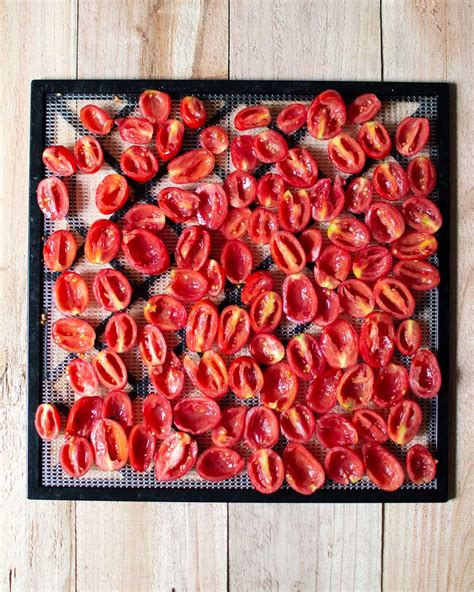
Drying tomatoes concentrates their sweetness and umami, creating a completely different, intensely flavorful ingredient perfect for salads, pasta dishes, or just snacking. While traditional sun-drying requires specific weather conditions, a food dehydrator or even a low oven can achieve similar results.
Steps:
- Prepare Tomatoes: Wash and slice tomatoes (preferably plum or Roma varieties) into 1/4 to 1/2-inch thick slices. You can sprinkle them lightly with salt to draw out moisture and enhance flavor.
- Drying Method:
- Dehydrator: Arrange slices in a single layer on dehydrator trays. Dry at 135°F (57°C) for 8-12 hours, or until leathery and pliable, not brittle.
- Oven: Arrange slices on parchment-lined baking sheets. Bake at the lowest oven temperature (e.g., 175-200°F / 80-95°C) with the oven door slightly ajar to allow moisture to escape. This can take 4-10 hours, depending on thickness.
- Sun-drying: Place tomatoes on screens in direct sunlight, covering with cheesecloth at night or during rain. This can take several days.
- Cool and Store: Once thoroughly dried, allow them to cool completely. Store them in airtight containers in a cool, dark place for several months, or refrigerate for longer storage. For extended shelf life and enhanced flavor, you can pack them in olive oil (ensure tomatoes are fully submerged) and refrigerate.
4. Roasting and Freezing Tomato Halves
Roasting tomatoes before freezing deepens their flavor profile, making them perfect for adding to warm dishes, blending into a quick sauce, or topping pizzas. The caramelization from roasting adds a wonderful sweetness and complexity.
Steps:
- Prepare Tomatoes: Wash and halve your tomatoes (cherry tomatoes can be left whole). Place them cut-side up on a baking sheet.
- Season and Roast: Drizzle with olive oil, sprinkle with salt, pepper, and herbs like oregano or thyme. Roast in an oven preheated to 375-400°F (190-200°C) for 30-45 minutes, or until softened and slightly caramelized.
- Cool and Freeze: Allow the roasted tomatoes to cool completely. Arrange them in a single layer on a parchment-lined baking sheet and flash freeze until solid.
- Package for Storage: Transfer the frozen roasted tomatoes to freezer-safe bags or containers, removing as much air as possible. Label with the date. They will keep for up to 6 months.

Tips for Successful Non-Canning Preservation
- Choose Ripe Tomatoes: Always start with ripe, healthy, blemish-free tomatoes for the best flavor and quality.
- Proper Labeling: Label all containers with the contents and date of preservation. This is crucial for food safety and freshness.
- Remove Air: When freezing, remove as much air as possible from freezer bags to prevent freezer burn, which can affect taste and texture.
- Use Freezer-Safe Containers: Ensure any containers or bags used are specifically designed for freezer use.
Conclusion
Preserving your garden tomatoes for winter doesn’t have to be an arduous task. By utilizing simple methods like freezing whole, pureeing, drying, or roasting, you can enjoy the delicious taste of summer’s bounty long after the growing season has ended. Experiment with these techniques to find which ones best fit your lifestyle and culinary preferences, ensuring you have a steady supply of homegrown flavor for all your winter cooking.