

How to best preserve fresh garden herbs for winter cooking?

Capturing Summer’s Essence: Preserving Garden Herbs
The joy of fresh herbs picked straight from the garden is unparalleled, but as the seasons change, many gardeners find themselves wondering how to extend that vibrant flavor into the colder months. Fortunately, with a few simple techniques, you can enjoy the essence of summer herbs in your winter cooking, adding depth and freshness to stews, roasts, and sauces. This guide will walk you through the best methods for preserving your precious harvest.
Method 1: Freezing Herbs – A Burst of Freshness
Freezing is one of the easiest and most effective ways to preserve the delicate flavor and texture of many soft-leaf herbs. This method works exceptionally well for basil, parsley, cilantro, chives, mint, dill, and tarragon.
Freezing in Ice Cube Trays:
Finely chop your herbs and pack them into ice cube trays. You can then fill the trays with water, vegetable broth, or olive oil. Once frozen solid, pop the herb cubes out and store them in freezer-safe bags or containers. When you’re ready to cook, simply drop a cube or two directly into your dishes. The oil method is particularly good for herbs destined for sautéing or sauces, as it provides a ready-made flavor base.
Flash Freezing Whole Leaves:
For herbs like basil or mint, you can also wash and thoroughly dry whole leaves. Lay them in a single layer on a baking sheet and freeze until solid. Once frozen, transfer them to an airtight freezer bag. This method helps prevent clumping and makes it easy to grab individual leaves as needed.

Method 2: Drying Herbs – Concentrated Flavor
Drying is a classic method that intensifies the flavor of many woody herbs. Rosemary, thyme, oregano, sage, and bay leaves are excellent candidates for drying. Dried herbs are potent, so remember to use about one-third of the amount called for in recipes that specify fresh herbs.
Air Drying:
For herbs with sturdy stems, tie small bunches together and hang them upside down in a warm, dry, well-ventilated area away from direct sunlight. This could be a pantry, attic, or even a corner of your kitchen. It can take anywhere from one to three weeks for herbs to dry completely. You’ll know they’re ready when the leaves are brittle and crumble easily.
Oven or Dehydrator Drying:
For a quicker method, a food dehydrator is ideal, following the manufacturer’s instructions. Alternatively, you can use your oven at its lowest setting (ideally around 100-110°F or 40-45°C) with the door slightly ajar to allow moisture to escape. Spread the herbs in a single layer on a baking sheet and check them frequently, turning occasionally, until they are dry and crumbly. This usually takes a few hours.
Method 3: Infused Oils and Vinegars – Flavorful Additions
Infusing oils or vinegars with herbs is a wonderful way to capture their essence for salad dressings, marinades, or finishing dishes. Robust herbs like rosemary, thyme, and oregano work beautifully.
Herb-Infused Oil:
Gently bruise fresh herbs to release their oils and place them in a clean, sterilized bottle or jar. Cover completely with a good quality olive oil. Store in the refrigerator for up to two weeks. Important Note: To avoid the risk of botulism, especially with garlic or other low-acid ingredients, always store homemade infused oils in the refrigerator and use them within a short period. For longer storage, consider commercial options or acidic infusions like vinegars.
Herb-Infused Vinegar:
Similarly, fill a jar with fresh herbs and cover with white wine vinegar, apple cider vinegar, or red wine vinegar. Store in a cool, dark place for 2-4 weeks, shaking occasionally. Strain out the herbs before using. Infused vinegars are generally safer for longer-term storage at room temperature.
Method 4: Herb Butters – Creamy & Aromatic
Compound butters are incredibly versatile and a delicious way to preserve herbs. Mince your favorite fresh herbs (such as parsley, chives, dill, or tarragon) and mix them thoroughly with softened unsalted butter. You can also add a pinch of salt, pepper, or garlic powder. Roll the herbed butter into a log using parchment paper or plastic wrap, then freeze. Slice off a piece whenever you need to finish a steak, melt over vegetables, or spread on warm bread.
Storage Tips for Preserved Herbs
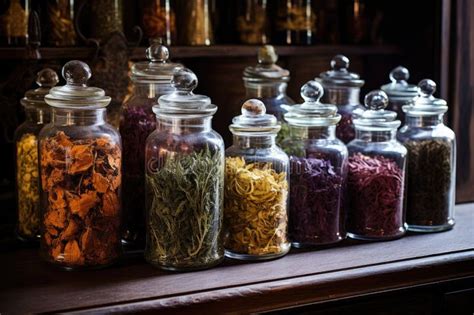
- Dried Herbs: Once completely dry, remove the leaves from the stems and store them whole or lightly crumbled in airtight jars away from light and heat. They retain their potency for 6-12 months.
- Frozen Herbs: Label your freezer bags or containers with the herb type and date. Use within 6-12 months for best quality.
- Herb Butters: Store frozen and use within 3-6 months.
By employing these preservation techniques, you can extend the bounty of your garden well beyond the growing season. Experiment with different methods and herbs to find your favorites, ensuring that the fresh, aromatic flavors of summer are never far from your winter kitchen.