


How to naturally deter garden pests from my homegrown vegetables?

Protecting your homegrown vegetables from persistent pests without resorting to harsh chemicals is not only good for the environment but also for your family’s health. Embracing natural deterrence methods creates a healthier garden ecosystem and promotes sustainable growing practices. By understanding a few key principles and implementing simple strategies, you can significantly reduce pest damage and enjoy abundant, chemical-free harvests.
This guide will explore various natural techniques, from planting strategically to encouraging beneficial insects, ensuring your garden remains a haven for vegetables, not pests.
Understanding Your Garden’s Ecosystem
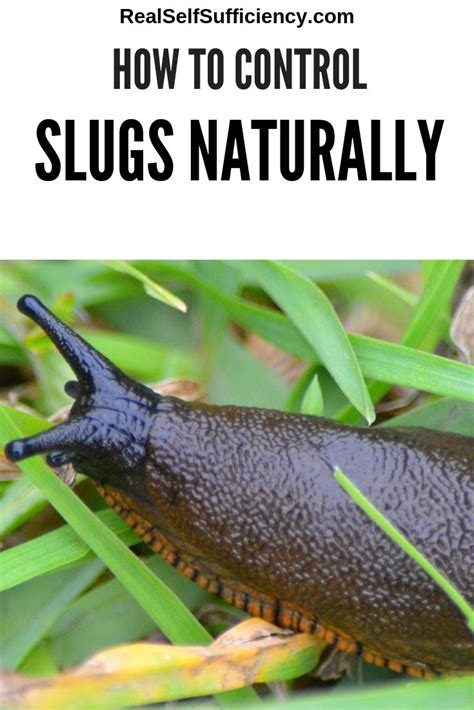
The first step in natural pest control is to observe and understand your garden. Regular monitoring helps you identify pests early before they become a major problem. Look for chewed leaves, wilting plants, and the pests themselves on the undersides of leaves or stems. Knowing your enemy – whether it’s aphids, slugs, cabbage worms, or squash bugs – is crucial for choosing the most effective natural deterrent.
A healthy garden ecosystem is resilient. Focus on building rich, healthy soil, as strong plants are naturally more resistant to pest attacks. Incorporate organic matter like compost, and ensure proper watering and sunlight to promote vigorous growth.

The Power of Companion Planting
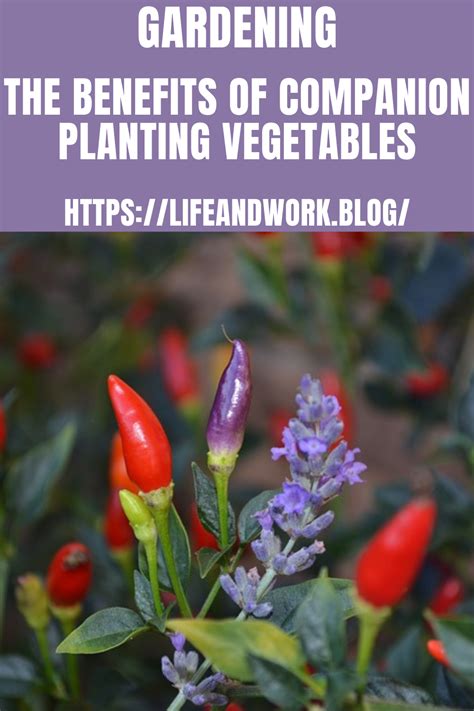
One of the oldest and most effective natural pest control methods is companion planting. Certain plants, when grown together, can deter pests or attract beneficial insects. For example, planting marigolds near vegetables like tomatoes or beans can repel nematodes and other ground-dwelling pests.
Nasturtiums are excellent trap crops, luring aphids away from more valuable vegetables. Herbs like basil can deter flies and mosquitoes, while rosemary can repel bean beetles and carrot rust flies. Experiment with different pairings to find what works best in your specific garden environment.
Physical Barriers and Exclusion
Sometimes, the simplest solution is to create a physical barrier between your plants and the pests. Row covers, made from lightweight, breathable fabric, can protect seedlings and young plants from flying insects like cabbage moths, squash vine borers, and flea beetles. Ensure the edges are securely anchored to the ground to prevent pests from crawling underneath.
Netting can be used for larger plants or fruit trees to protect them from birds and larger animals. Raised garden beds can also make it harder for slugs and snails to reach your plants if you line the edges with copper tape or coarse materials.

Encouraging Beneficial Insects
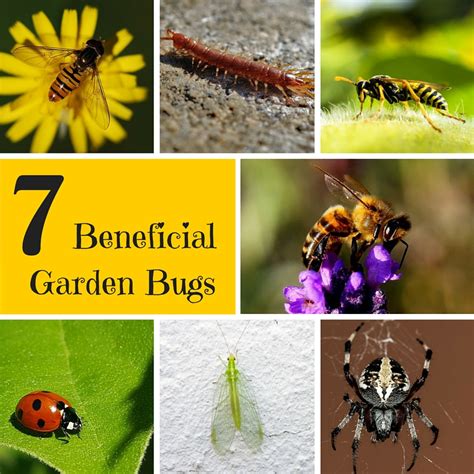
Not all insects are pests; many are beneficial predators that can help keep pest populations in check. Attracting insects like ladybugs, lacewings, hoverflies, and predatory wasps can create a natural defense force in your garden. Plant nectar-rich flowers like dill, fennel, cilantro, cosmos, and sunflowers to provide food and habitat for these helpful allies.
Avoid using broad-spectrum pesticides, even organic ones, as they can harm beneficial insects as well as pests. A diverse array of flowering plants will ensure a continuous supply of beneficials ready to feast on invading pests.
Homemade Organic Solutions
For localized infestations or when a quick intervention is needed, several homemade solutions can be highly effective. A simple insecticidal soap spray made from mild liquid dish soap and water can suffocate soft-bodied insects like aphids, spider mites, and whiteflies. Always test on a small area first to ensure it doesn’t harm your plants.
Garlic or chili pepper sprays can act as repellents. Mix crushed garlic or chili powder with water, let it steep, then strain and spray. Neem oil, derived from the neem tree, is another powerful organic option that disrupts insect feeding and reproduction cycles. It’s effective against a wide range of pests but should be used sparingly and according to instructions to avoid harming beneficial insects.

Maintaining Garden Health
Prevention is always better than cure. Good garden hygiene is paramount for natural pest deterrence. Regularly remove weeds, as they can harbor pests and compete with your vegetables for nutrients. Practice crop rotation to break pest life cycles and prevent soil-borne diseases from building up.
Ensure proper air circulation around your plants to deter fungal diseases that can weaken plants and make them more susceptible to pests. Regularly inspect your plants and promptly remove any diseased or heavily infested parts to prevent spread. By consistently nurturing a healthy garden, you create an environment where pests struggle to thrive.
Embracing these natural pest deterrence methods requires patience and observation, but the rewards are well worth the effort. A vibrant, healthy garden teeming with life, free from harmful chemicals, provides a sustainable source of nutritious, homegrown vegetables for years to come. Start implementing these strategies today and watch your garden flourish.