

How do you plan real food meals for a busy country family week?
For families living in the country, the rhythm of life often comes with unique demands. Long distances to grocery stores, unpredictable farm or outdoor work schedules, and a desire to eat wholesome, real food can make weekly meal planning feel like an insurmountable challenge. Yet, with a strategic approach, it’s entirely possible to nourish your family with delicious, healthy meals even amidst the busiest of weeks.
Understanding the Country Family’s Unique Culinary Landscape
Country living, while idyllic, presents specific hurdles for meal preparation. Grocery runs aren’t quick trips; they often require significant travel time, making frequent spontaneous shopping impractical. Workdays can be long and physically demanding, leaving little energy for elaborate cooking. Plus, the commitment to ‘real food’ – fresh, unprocessed ingredients – requires more forethought than simply relying on convenience foods. This unique environment makes a robust meal planning system not just helpful, but essential.

The Indisputable Benefits of Strategic Meal Planning
Adopting a proactive approach to your family’s meals offers a multitude of advantages. It saves precious time by reducing decision fatigue and last-minute scrambling. It significantly cuts down on grocery bills by minimizing impulse buys and food waste. Most importantly, it ensures your family consistently eats nutritious, balanced meals, avoiding the temptation of unhealthy takeout or overly processed options when time is tight. Meal planning brings order to the chaos and puts health at the forefront.
Your Step-by-Step Guide to Real Food Meal Planning
1. Take a Comprehensive Inventory of Your Kitchen
Before you even think about recipes, open your pantry, fridge, and freezer. What do you already have? What’s about to expire? Note down staples you’re low on. This step prevents duplicate purchases and ensures you use what you have, reducing waste. Also, consider seasonal produce from your garden or local markets – this can inspire delicious, fresh meals and support local producers.

2. Design Your Weekly Menu with Balance in Mind
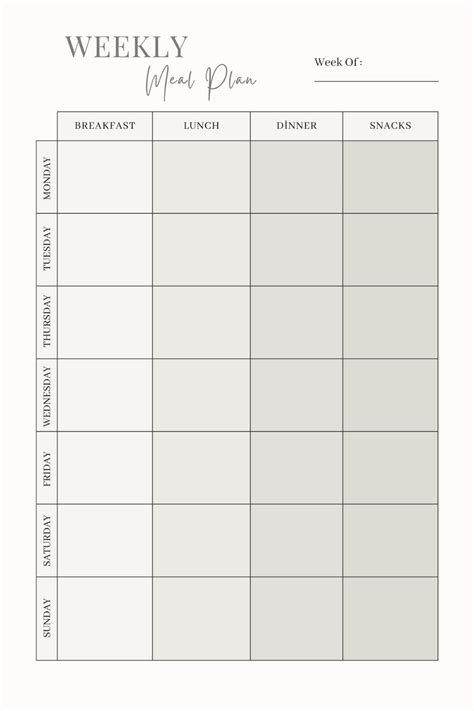
Sit down with your family and map out meals for the entire week. Consider theme nights (Meatless Monday, Taco Tuesday, Pasta Friday) to simplify choices. Aim for a balance of protein, healthy fats, and complex carbohydrates. Don’t forget snacks! Plan for using leftovers creatively (e.g., roasted chicken on Sunday becomes chicken salad sandwiches on Monday or enchilada filling on Tuesday). Try to pair new recipes with familiar favorites to maintain enthusiasm.
3. Master the Art of Smart Shopping
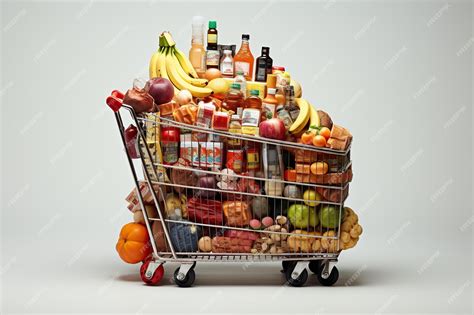
Once your menu is set, create a detailed grocery list, organized by store section. This minimizes time spent wandering aisles and ensures you don’t forget essential ingredients, avoiding additional trips. Buy in bulk where sensible for non-perishables and freezer-friendly items. Consider joining a CSA (Community Supported Agriculture) program for fresh, seasonal produce delivered to a nearby drop-off point, or plan larger, less frequent trips to a major grocery store.
4. Embrace Batch Cooking and Freezer Meals
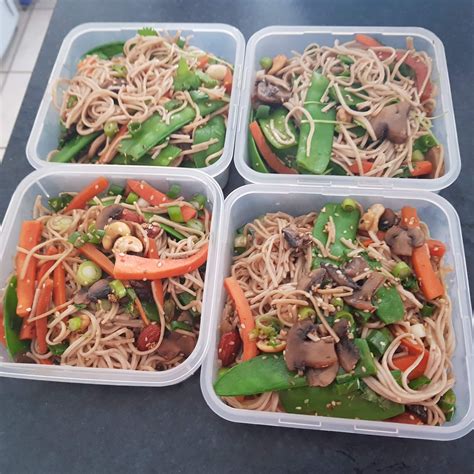
Dedicate a few hours one day a week (often Sunday) to ‘power prepping.’ Cook large batches of grains (quinoa, rice), roast a big pan of vegetables, or grill extra chicken breasts. Chop all your vegetables for the week’s stir-fries or salads. Prepare components that can be assembled quickly later. Freezer meals are a country family’s best friend: think casseroles, soups, chili, or even breakfast burritos that can be pulled out and reheated on a busy evening.

5. Keep it Simple and Wholesome
Real food doesn’t have to be complicated. Focus on whole ingredients prepared simply. A roasted chicken with root vegetables, a hearty lentil soup with crusty bread, or homemade pizzas with fresh toppings can be incredibly satisfying and quick to prepare when you have ingredients on hand. Don’t be afraid to utilize slow cookers and Instant Pots for hands-off cooking during busy days.
6. Involve the Whole Family in the Process
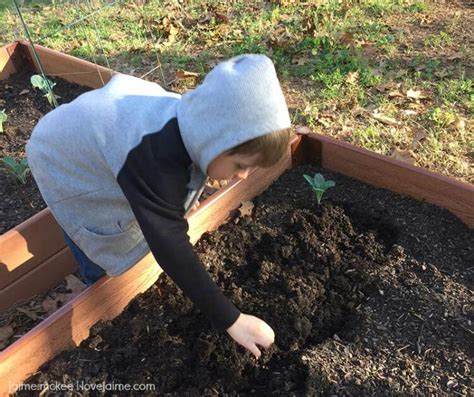
Make meal planning and preparation a family affair. Children can help choose recipes, write grocery lists, or assist with age-appropriate tasks like washing vegetables, setting the table, or stirring ingredients. This not only lightens your load but also teaches them valuable life skills and fosters a greater appreciation for the food they eat.
7. Build in Flexibility and Backup Plans
Life in the country is inherently unpredictable. A sudden chore, an unexpected guest, or a change in weather can derail the best-laid plans. Have a couple of ’emergency’ meals in your freezer or pantry that require minimal effort (e.g., frozen homemade pizza, pasta with a quick sauce, or a simple frittata with ingredients you always have). Don’t stress if a meal plan goes awry; adjust and move on.
Making it a Sustainable Habit
Meal planning is a skill that improves with practice. Start small, perhaps by planning just dinners for a few days, then gradually expand. Find what works best for your family’s unique schedule and preferences. With consistency and a willingness to adapt, planning real food meals for your busy country family week will transform from a chore into a rewarding routine, ensuring health, saving time, and bringing delicious meals to your table.