
Best ways to preserve garden bounty using simple homemade recipes?

There’s nothing quite like the satisfaction of harvesting fresh produce from your own garden. The vibrant colors, the earthy smells, and the incredible flavors are a testament to your hard work. But what do you do when your garden yields more than you can eat fresh? The answer lies in the ancient art of food preservation. With a few simple techniques and homemade recipes, you can capture the essence of your garden bounty and enjoy its goodness long after the growing season ends.
Canning: Sealing in Summer’s Best
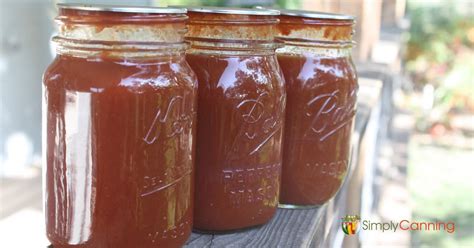
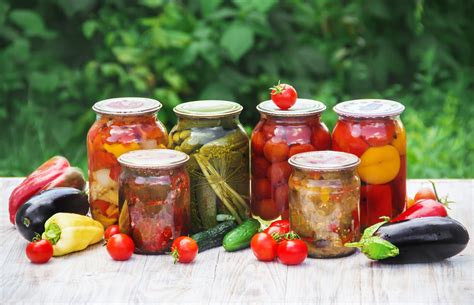
Canning is a time-honored method for preserving a wide variety of foods, from fruits and vegetables to sauces and jellies. While it might seem daunting at first, basic water bath canning for high-acid foods (like tomatoes, pickles, and most fruits) is quite straightforward. Always ensure you follow tested recipes for safety.
Simple Canning Ideas:
- Homemade Tomato Sauce: Transform your ripe tomatoes into rich, flavorful sauce for pasta, pizza, and stews.
- Dill Pickles: Crisp cucumbers combined with vinegar, dill, and garlic make for a tangy treat.
- Peach Jam: Sweet, sun-ripened peaches make an incredible spread for toast or desserts.
Freezing: The Easiest Way to Preserve Freshness
For many gardeners, freezing is the simplest and most accessible method of preservation. It requires minimal equipment and is perfect for maintaining the fresh taste and texture of many fruits and vegetables. Most vegetables benefit from a quick blanch before freezing to halt enzyme activity and preserve color and nutrients.
Freezing Your Harvest:
- Blanched Green Beans or Corn: Trim, blanch briefly, then flash freeze on a baking sheet before transferring to freezer bags.
- Berries: Wash and dry thoroughly, then freeze in a single layer before bagging to prevent clumping.
- Herbs in Oil: Chop fresh herbs, pack into ice cube trays, cover with olive oil, and freeze. Perfect for cooking!

Dehydrating: Concentrating Flavors and Nutrients
Dehydration removes moisture from food, inhibiting spoilage and concentrating flavors. This method is excellent for making snacks, spices, and ingredients for future meals. You can use a dedicated food dehydrator, a low oven, or even the sun in hot, dry climates.
Dehydration Projects:
- Dried Herbs: Hang bunches of herbs like oregano, thyme, and rosemary, or use a dehydrator for quicker results.
- Fruit Leather: Puree fruits like apples or berries, spread thinly on dehydrator sheets, and dry for a healthy snack.
- Sun-Dried Tomatoes: Slice tomatoes and dry until leathery, then store in olive oil or dry.

Pickling and Fermenting: Tangy and Probiotic Powerhouses
Pickling, traditionally done with vinegar, and fermentation, which uses beneficial bacteria, are fantastic ways to add unique flavors and textures to your garden produce. Fermented foods also offer the added benefit of probiotics for gut health.
Tangy Recipes to Try:
- Quick Pickled Radishes or Carrots: Slice vegetables and cover with a hot brine of vinegar, water, sugar, and salt.
- Homemade Sauerkraut: Shred cabbage, salt it, and let it ferment in a jar for several weeks for a traditional probiotic rich food.
- Dilly Beans: Green beans pickled with dill, garlic, and vinegar.
Jams, Jellies, and Fruit Butters: Sweet Spreads
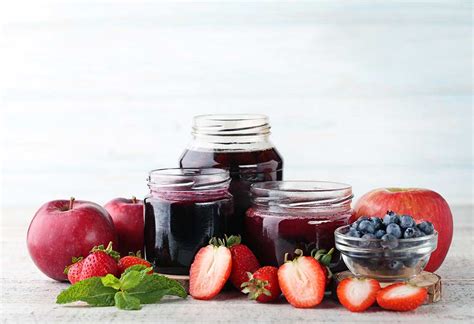
Transforming excess fruit into delicious jams, jellies, and fruit butters is a rewarding way to preserve sweetness. These homemade treats make wonderful gifts and delightful additions to breakfast or dessert.
Sweet Preservation Ideas:
- Strawberry Rhubarb Jam: A classic combination of sweet and tart.
- Apple Butter: Slow-cooked apples until they reach a thick, spreadable consistency with warm spices.
- Berry Jelly: Strain cooked berries to get a clear juice, then combine with pectin and sugar.
Preserving your garden bounty doesn’t have to be complicated. With these simple homemade recipes and techniques, you can extend the joy of your harvest, reduce food waste, and enjoy the delicious flavors of summer and fall throughout the entire year. Get creative, experiment with different methods, and savor the fruits (and vegetables!) of your labor.