



Natural, homemade spray to deter aphids from organic vegetable plants?
Combatting Aphids Naturally in Your Organic Garden
Aphids are a common bane for organic gardeners, capable of decimating tender new growth and weakening vegetable plants by sucking out their vital sap. While commercial pesticides exist, they often contradict the principles of organic gardening and can harm beneficial insects, pets, and even humans. The good news is that you don’t need harsh chemicals to keep these tiny pests at bay. With a few simple household ingredients, you can create effective, natural sprays to protect your precious organic crops.
Why Choose Natural Aphid Control?
Opting for natural aphid control methods aligns perfectly with organic gardening principles. It ensures your vegetables remain free from synthetic chemical residues, making them safer for consumption. Furthermore, natural sprays are generally less harmful to the environment, beneficial insects (like ladybugs, which are natural aphid predators), and the overall biodiversity of your garden ecosystem. They offer a sustainable and responsible way to manage pests.
Understanding Aphids and Their Damage
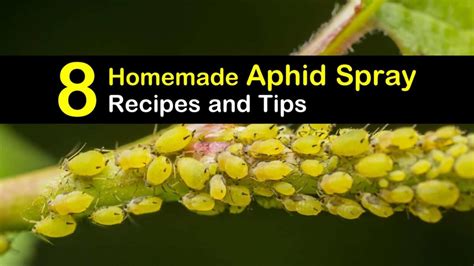
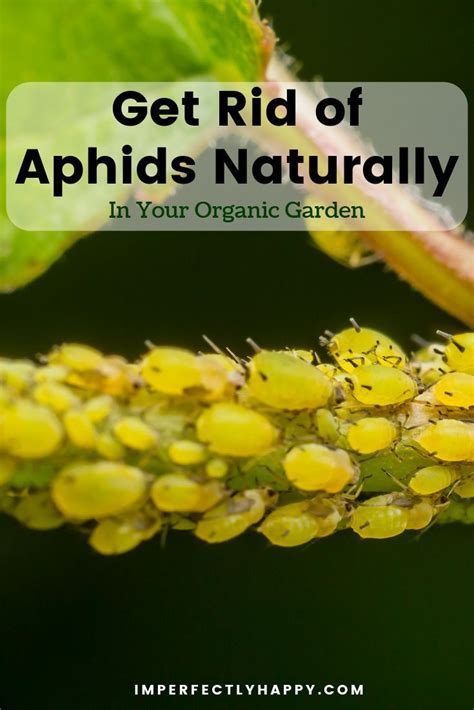
Before you can effectively deter aphids, it helps to know your enemy. Aphids are small, soft-bodied insects, often green, black, yellow, or pink, usually found in clusters on the undersides of leaves, new shoots, and flower buds. They feed by piercing plant tissue and sucking out sap, leading to stunted growth, curled or distorted leaves, and yellowing. They also excrete a sticky substance called honeydew, which can encourage sooty mold growth, further hindering photosynthesis. Early detection is key to preventing a full-blown infestation.
Essential Ingredients for DIY Aphid Sprays
The beauty of homemade aphid sprays lies in their simplicity and the accessibility of their ingredients. Most recipes rely on items you likely already have in your pantry or can easily find at any grocery store. The primary goal of these sprays is often to smother the aphids or create an unpleasant environment that deters them from feeding.
Recipe 1: The Simple Soapy Water Spray
This is arguably the most common and effective natural aphid deterrent. Insecticidal soaps work by dissolving the waxy coating on an aphid’s body, causing dehydration and death. It’s safe for most plants but always test on a small area first.
- Ingredients:
- 1-2 teaspoons mild liquid dish soap (avoid detergents with degreasers or bleach)
- 1 quart (about 1 liter) water
- Method:
- Combine the soap and water in a spray bottle.
- Shake gently to mix, but avoid creating too much foam.
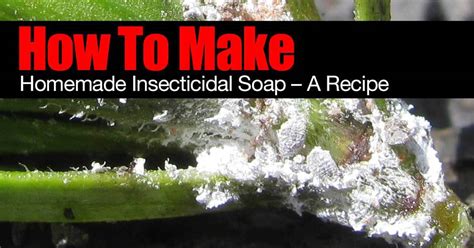
Application: Spray directly onto aphids, ensuring thorough coverage, especially the undersides of leaves. Reapply every 2-3 days as needed until the infestation is under control. Rinse plants with plain water an hour or two after spraying to remove any soap residue, especially if your water is hard or if temperatures are high.
Recipe 2: The Potent Neem Oil Solution
Neem oil is an organic, biodegradable insecticide derived from the neem tree. It works as an antifeedant, hormone disruptor, and suffocant, making it highly effective against a broad spectrum of pests, including aphids. It’s most effective when applied regularly as a preventative or early treatment.
- Ingredients:
- 1-2 teaspoons 100% cold-pressed neem oil
- 1 teaspoon mild liquid dish soap (as an emulsifier)
- 1 quart (about 1 liter) warm water
- Method:
- Mix the neem oil and soap in a small container first. The soap helps the oil mix with water.
- Add the mixture to the warm water in a spray bottle and shake well.
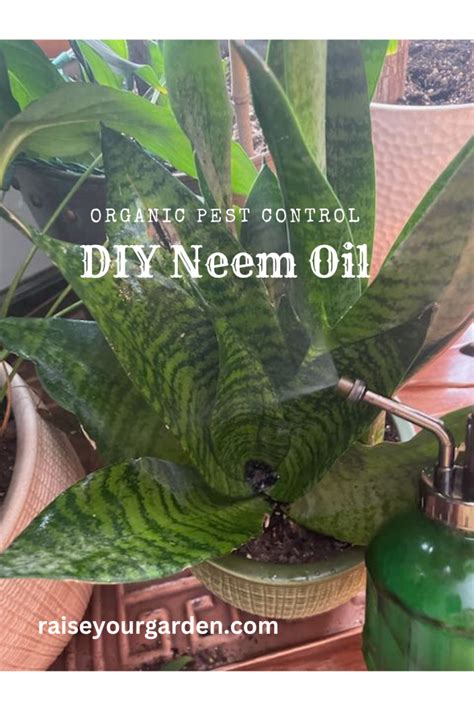
Application: Spray all parts of the infested plant, including the stems and undersides of leaves, until thoroughly wet. Apply every 5-7 days for active infestations, or every 10-14 days for prevention. Apply in the evening or early morning to avoid burning leaves, as neem oil can react with strong sunlight.
Recipe 3: Spicy Garlic and Chili Spray
Garlic and chili peppers contain compounds that are irritating and repellent to aphids. This spray won’t kill aphids directly but will make your plants less appealing to them, encouraging them to move on.
- Ingredients:
- 1 head of garlic, minced
- 1-2 hot chili peppers (e.g., jalapeños, habaneros), finely chopped (wear gloves!)
- 1 quart (about 1 liter) water
- 1 teaspoon mild liquid dish soap (optional, for better adhesion)
- Method:
- Combine minced garlic and chopped chili peppers with water in a jar.
- Let it steep for at least 24 hours (or up to 48 hours) in a cool, dark place.
- Strain the mixture through a cheesecloth or fine sieve to remove solids.
- Add the optional dish soap to the strained liquid and pour into a spray bottle.
Application: Spray liberally onto affected plants, focusing on new growth and undersides of leaves. Reapply after rain or every few days as needed. Be cautious not to get the spray in your eyes or on exposed skin.
Best Practices for Applying Your Homemade Sprays
- Test First: Always test any new spray on a small, inconspicuous part of the plant and wait 24 hours to ensure there are no adverse reactions before applying it to the entire plant.
- Timing is Key: Apply sprays in the early morning or late evening. This avoids direct hot sunlight, which can exacerbate leaf burn, and protects beneficial insects (like bees) that are active during the day.
- Thorough Coverage: Aphids often hide on the undersides of leaves and in crevices. Ensure you thoroughly coat all parts of the plant, especially where aphids are visible.
- Consistency: Natural sprays often require repeated applications to be fully effective, as they typically only kill pests they come into direct contact with. Follow the recommended reapplication schedule.
- Wear Protection: When using chili or garlic sprays, wear gloves and eye protection to prevent irritation.

Beyond Sprays: Preventative Measures
While homemade sprays are excellent for immediate control, integrating preventative strategies into your organic gardening routine can significantly reduce aphid problems in the long run.
- Companion Planting: Plant aphid-repelling plants like garlic, chives, mint, and catnip near your vulnerable vegetables. Nasturtiums can also act as a trap crop, luring aphids away from other plants.
- Attract Beneficial Insects: Encourage natural predators like ladybugs, lacewings, and hoverflies by planting flowers that provide nectar and pollen (e.g., dill, fennel, yarrow, cosmos).
- Regular Inspection: Frequently check your plants for early signs of aphids. Catching an infestation early makes it much easier to control.
- Strong Plants: Healthy plants are more resistant to pests. Ensure your plants receive adequate water, nutrients, and sunlight. Avoid over-fertilizing with nitrogen, which can produce tender new growth that aphids love.
- Hose Them Off: A strong blast of water from a hose can often dislodge aphids from plants without harm.

Conclusion
Protecting your organic vegetable garden from aphids doesn’t require resorting to harsh chemicals. With a little effort and common household ingredients, you can craft effective, natural sprays that keep your plants healthy and your harvest safe. By combining these homemade solutions with good gardening practices and preventative measures, you can enjoy a thriving, aphid-free organic garden all season long.