
Best natural pest control for a summer vegetable garden?
Embracing Nature’s Solutions for a Healthy Garden
As the summer sun bathes your vegetable garden, bringing forth a bounty of fresh produce, it also awakens a myriad of garden pests. While the sight of a chewed leaf or a damaged fruit can be disheartening, resorting to harsh chemical pesticides can harm beneficial insects, pollute your soil, and potentially compromise your harvest. Fortunately, nature offers a wealth of effective, sustainable, and safe solutions to keep your summer garden thriving and pest-free.
The Case for Natural Pest Control
Opting for natural pest control methods isn’t just about protecting your crops; it’s about fostering a healthier ecosystem. Chemical pesticides can kill beneficial pollinators and predatory insects, leading to an imbalance that can make your garden even more vulnerable in the long run. Natural methods, on the other hand, work with nature, building resilience and promoting biodiversity.
Key Strategies for a Pest-Free Summer Garden
1. Companion Planting: Nature’s Bodyguards
One of the oldest and most effective natural pest control techniques is companion planting. Certain plants, when grown together, can deter pests, attract beneficial insects, or improve the health of their neighbors. For example:
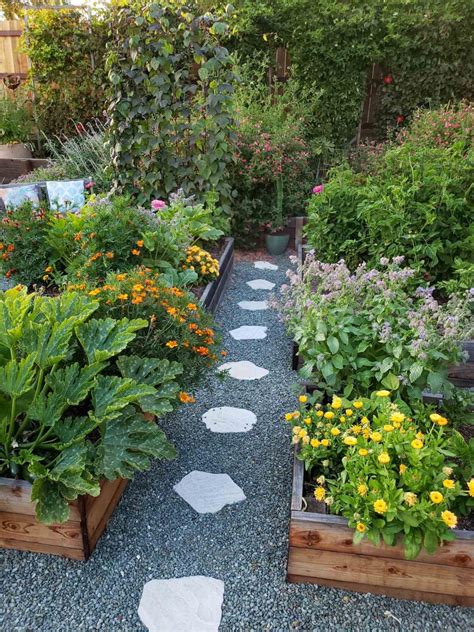
- Marigolds: Emit a scent that repels nematodes and other ground pests.
- Basil: Deters flies and mosquitoes, and is said to improve the flavor of tomatoes.
- Nasturtiums: Act as a trap crop for aphids, drawing them away from more valuable plants.
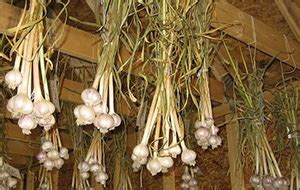
- Garlic and Onions: Repel various pests, including aphids and spider mites.
2. Inviting Beneficial Insects
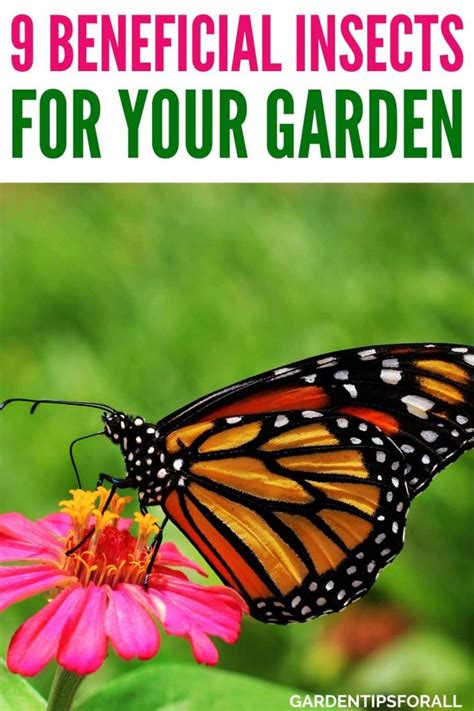
Not all insects are foes; many are your garden’s best allies! Ladybugs, lacewings, predatory wasps, and hoverflies are voracious predators of common garden pests like aphids, caterpillars, and mites. Create a welcoming habitat for them by planting a variety of flowering plants that provide nectar and pollen, such as dill, cilantro, sweet alyssum, and yarrow.
3. Garden Hygiene and Physical Barriers
A clean garden is a happy garden. Regularly remove weeds, as they can harbor pests and diseases. Promptly dispose of any diseased or heavily infested plant parts. Physical barriers can also offer excellent protection:
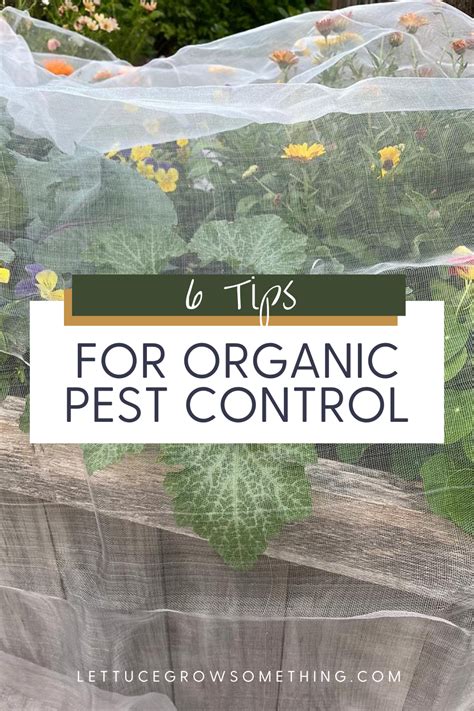
- Row Covers: Lightweight fabric covers can prevent flying insects from landing on vulnerable plants, especially during peak pest season.
- Hand Picking: For larger pests like tomato hornworms or slugs, manual removal is often the most direct method. Do this early in the morning or late in the evening.
- Sticky Traps: Yellow sticky traps can catch whiteflies, aphids, and fungus gnats.

4. Homemade Organic Sprays and Remedies
When an infestation needs a bit more intervention, several homemade organic solutions can be effective:
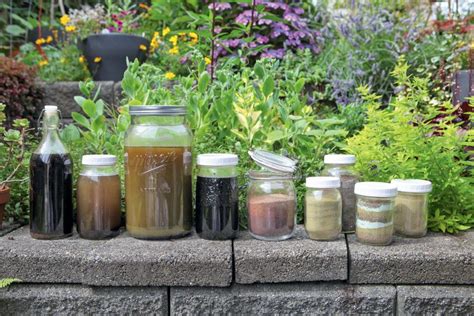
- Insecticidal Soap Spray: Mix a few drops of mild liquid dish soap (avoid detergents) with water in a spray bottle. This suffocates soft-bodied insects like aphids, spider mites, and whiteflies on contact.
- Neem Oil Spray: Derived from the neem tree, neem oil acts as an antifeedant, growth disruptor, and repellent. Mix according to product instructions and spray on affected plants.
- Garlic/Pepper Spray: Blend garlic cloves and hot peppers with water, strain, and dilute. The strong scent and capsaicin can deter a variety of pests.
5. Crop Rotation and Soil Health
While not an immediate pest control method, rotating your crops annually helps break pest life cycles that can build up in the soil. Healthy soil, rich in organic matter, also leads to stronger, more resilient plants that are naturally better able to resist pest attacks.
Conclusion: Cultivating a Resilient Ecosystem
Protecting your summer vegetable garden from pests naturally is an ongoing process that involves observation, patience, and a willingness to work with nature. By implementing these eco-friendly strategies, you’ll not only safeguard your harvest but also cultivate a vibrant, balanced ecosystem that benefits your garden, your family, and the environment for years to come.