



What’s the best DIY soil mix for organic raised garden beds to maximize yield?

Understanding the Foundation: Why Your Soil Matters
For any gardener, the secret to a thriving harvest lies beneath the surface – in the soil itself. In raised garden beds, you have the unique opportunity to create a custom growing medium from scratch, perfectly tailored to the needs of your plants. This control is especially crucial for organic gardening, where synthetic fertilizers and pesticides are avoided, making a nutrient-rich, living soil mix the cornerstone of success. A well-designed DIY soil mix not only provides essential nutrients but also ensures excellent drainage, aeration, and water retention, all vital for maximizing your yield organically.

The Essential Components of a High-Yield Organic Soil Mix
Crafting the ideal soil for your raised beds involves a balance of several key ingredients, each playing a critical role in plant health and productivity. The goal is to mimic the richness of healthy forest soil, providing both structure and a continuous supply of nutrients.
1. Base Layer: Quality Topsoil or Loam (30-40%)
This forms the bulk of your mix, providing structure and a reservoir for nutrients and water. Look for a reputable source of screened topsoil, preferably one that hasn’t been treated with chemicals. Loamy soil, which is a balanced mix of sand, silt, and clay, is ideal for its drainage and nutrient-holding capacity.
2. Organic Matter Powerhouse: Compost (30-40%)
Compost is the gold standard for organic gardening. It enriches the soil with a slow-release supply of nutrients, improves soil structure, enhances water retention in sandy soils, and improves drainage in clayey soils. Use well-rotted compost from various sources like kitchen scraps, leaves, and manure (if aged properly). Mushroom compost or worm castings are excellent additions for an extra boost.
3. Aeration and Drainage: Perlite or Vermiculite (10-20%)
These lightweight, porous materials are crucial for preventing compaction and ensuring good air circulation around plant roots, which is essential for healthy growth and preventing root rot. Perlite provides more drainage, while vermiculite retains more water and nutrients due to its unique layered structure.
4. Nutrient Boosters and Amendments (5-10%)
While compost provides broad-spectrum nutrients, specific organic amendments can target particular needs and enhance overall soil fertility for higher yields.
- Aged Manure: Excellent source of nitrogen and organic matter. Ensure it is fully composted to avoid burning plants.
- Bone Meal: Rich in phosphorus, vital for root development, flowering, and fruiting.
- Greensand or Rock Phosphate: Provides potassium and trace minerals, improving plant vigor and fruit quality.
- Kelp Meal: A fantastic all-rounder, offering micronutrients, growth hormones, and disease resistance.
- Worm Castings: Highly concentrated form of organic matter and microbial life, boosting fertility.
- Dolomitic Lime (if soil is acidic): Balances pH and provides calcium and magnesium. Conduct a soil test first!
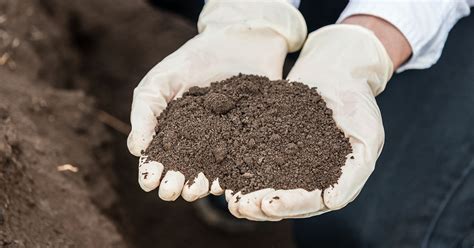
Crafting Your DIY Soil Mix: The Recipe and Process
While exact ratios can vary based on your local climate and specific plants, a good starting point for a high-yield organic raised bed mix is:
- 40% High-Quality Topsoil/Loam
- 40% Well-Rotted Compost (or a mix of compost and aged manure)
- 10% Perlite or Vermiculite
- 10% Organic Amendments (e.g., bone meal, greensand, kelp meal, worm castings)
Mixing Instructions:
- Combine Bulk Ingredients: On a large tarp or in a wheelbarrow, thoroughly mix the topsoil, compost, and perlite/vermiculite. Aim for an even consistency.
- Incorporate Amendments: Add your chosen organic amendments. These are often potent, so distribute them evenly throughout the mix.
- Moisten: Lightly moisten the entire mix. It should feel damp, like a wrung-out sponge, not soaking wet. This helps activate microbial life.
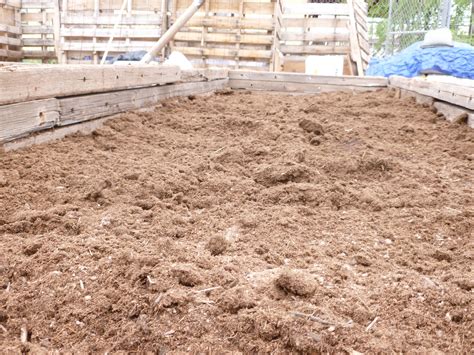
- Fill Your Beds: Transfer the prepared soil mix into your raised garden beds. Leave a few inches from the top to allow for mulching and watering.
Long-Term Soil Health for Sustained Yields
Your initial soil mix is a great start, but maintaining its fertility is key to maximizing yields year after year. Soil is a living ecosystem that needs continuous replenishment.
- Top-Dress with Compost: Each spring or fall, add a 1-2 inch layer of fresh compost to the top of your beds. This slowly leaches nutrients into the soil below.
- Use Organic Mulch: A layer of straw, shredded leaves, or wood chips helps retain moisture, suppress weeds, and slowly break down to add organic matter.
- Practice Crop Rotation: Rotate different plant families to prevent nutrient depletion and pest buildup.
- Plant Cover Crops: In off-seasons, grow cover crops like clover or vetch. They protect the soil, add organic matter, and some (legumes) fix nitrogen.
- Conduct Soil Tests: Every few years, test your soil to understand its nutrient profile and pH, allowing you to make targeted amendments.

Tips for Maximizing Yield in Your Organic Raised Bed
Beyond the soil, several practices contribute to an abundant harvest:
- Proper Watering: Water deeply and consistently, especially during dry spells. Drip irrigation or soaker hoses are excellent for raised beds.
- Succession Planting: Plant small batches of quick-growing crops every few weeks to ensure a continuous harvest.
- Companion Planting: Grow beneficial plants together (e.g., marigolds deter pests, basil improves tomato flavor).
- Pest and Disease Management: Employ organic strategies like hand-picking pests, using neem oil, or introducing beneficial insects.
- Pruning and Training: For some plants (like tomatoes and cucumbers), proper pruning and training can direct energy into fruit production.

Conclusion
Creating the best DIY soil mix for your organic raised garden beds is a rewarding investment that pays dividends in bountiful, healthy harvests. By understanding the roles of different components and committing to ongoing soil care, you’ll foster a vibrant, living ecosystem that supports maximum yield and enriches your gardening experience. Get your hands dirty, experiment, and enjoy the fruits (and vegetables!) of your labor.