


Practical tips for getting kids to help with garden and kitchen chores?
Involving children in household chores, whether in the kitchen or the garden, is more than just getting an extra pair of hands. It’s a powerful way to teach responsibility, develop practical life skills, and strengthen family bonds. While the idea might sound daunting, especially with younger kids, with the right approach, it can become a rewarding experience for everyone involved. Let’s explore some practical tips to turn chore time into quality family time.
Making Chores Engaging for All Ages
The key to success often lies in making tasks feel less like a burden and more like an adventure. Here are some overarching principles to guide your approach:
- Start Early: Even toddlers can participate in simple, age-appropriate tasks.
- Make it Fun: Turn chores into games, sing songs, or create a ‘chore chart’ with fun rewards.
- Be Age-Appropriate: Understand what your child is capable of. A 3-year-old can wipe a table; a 10-year-old can chop vegetables (with supervision).
- Lead by Example: Children are keen observers. When they see you happily tending to tasks, they’re more likely to follow suit.
- Offer Choices (Within Limits): Give them a sense of control by letting them choose between two tasks.

Cultivating Culinary Confidence in the Kitchen
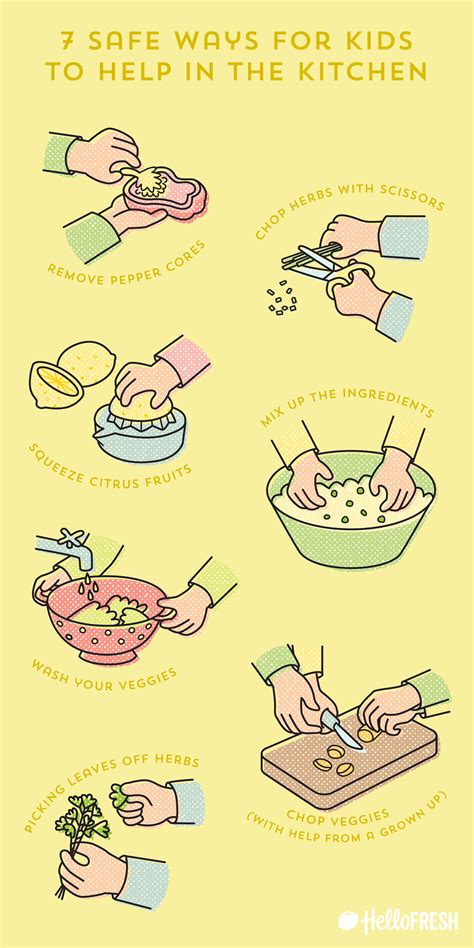
The kitchen offers a fantastic playground for learning about food, nutrition, and basic chemistry. Involving kids here also helps them appreciate the effort that goes into meal preparation.
- Food Preparation:
- Washing Vegetables & Fruits: Simple and sensory, perfect for little hands.
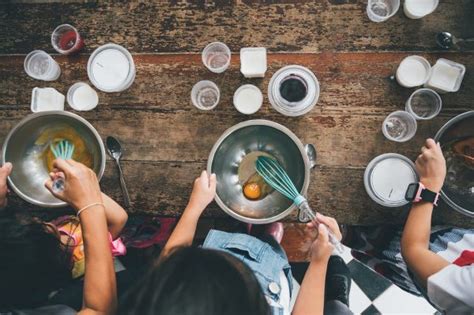
- Stirring & Mixing: Let them stir ingredients for soups, salads, or baking.
- Measuring Ingredients: Helps with basic math skills.
- Setting & Clearing the Table: Assign specific roles for each child.
- Safe Chopping: Older children can use child-safe knives for softer foods or learn proper knife skills with supervision.
- Cleaning Up:
- Wiping Surfaces: Give them a damp cloth to wipe down counters or tables.
- Putting Away Groceries: Assign easy-to-reach items.
- Loading/Unloading Dishwasher: Start with non-breakable items.
- Sweeping: A small hand broom can be fun.
Remember to focus on the process, not just the perfection of the outcome. Praise their effort and enthusiasm.
Growing Green Thumbs in the Garden
The garden provides endless opportunities for children to connect with nature, understand where food comes from, and develop a sense of responsibility for living things. Plus, it’s a great way to get some fresh air and exercise!
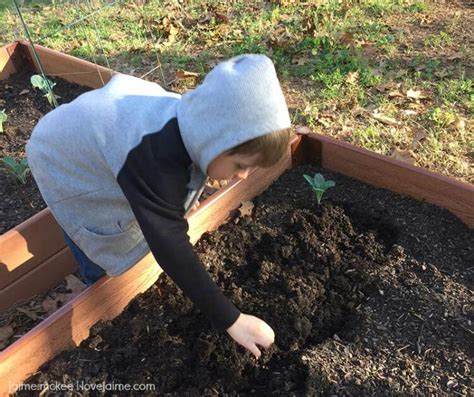
- Planting Seeds & Seedlings: A magical process for kids to witness growth from scratch.
- Watering Plants: Give them a small watering can. Explain the importance of not over- or under-watering.
- Weeding (with supervision): Teach them to identify weeds versus desired plants.
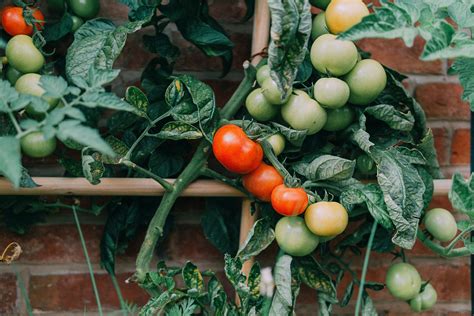
- Harvesting: The most rewarding part! Let them pick ripe fruits and vegetables.
- Composting: Explain how food scraps and garden waste can become “plant food.”
- Gathering Leaves: Raking leaves can be a fun activity, especially if you turn it into a leaf pile to jump in!
Provide them with their own small gardening tools and gloves to make them feel like a real gardener.

Tips for Sustained Engagement and Positive Reinforcement
Maintaining children’s enthusiasm for chores requires ongoing effort and a positive environment.
- Be Patient: It will take longer when kids help, and there might be messes. Embrace it as part of the learning process.
- Be Consistent: Establish a routine so chores become a natural part of the day or week.
- Praise Effort, Not Just Perfection: Acknowledge their willingness to help and their hard work, even if the result isn’t flawless.
- Avoid Bribery: While small rewards can be motivating, emphasize the intrinsic value of contribution. Chore charts with sticker rewards can work well.
- Teach, Don’t Just Tell: Show them how to do tasks properly, demonstrating rather than just giving instructions.

Involving children in garden and kitchen chores is an investment in their future. It teaches them invaluable life skills, fosters a sense of responsibility and independence, and creates cherished memories. By making it fun, age-appropriate, and consistent, you can transform daily tasks into joyful learning experiences that benefit the entire family. So, grab a small trowel or a mixing spoon, and embark on this rewarding journey together!