




How to involve kids in garden-to-table real food prep daily?
Cultivating Little Chefs: The Joy of Garden-to-Table Living
In an age where processed foods often dominate, introducing children to the journey of real food – from soil to plate – is more vital than ever. Involving kids in daily garden-to-table food preparation not only teaches them invaluable life skills but also fosters a deeper connection to nature, encourages healthy eating habits, and creates lasting family memories. It’s about transforming meal preparation from a chore into an exciting, educational adventure.
The beauty of the garden-to-table approach is its hands-on nature. Children learn about where their food comes from, the effort involved in growing it, and the magic of transforming fresh ingredients into delicious meals. This daily engagement can significantly reduce picky eating, boost confidence, and even improve academic performance through practical science and math applications.

From Soil to Plate: Garden Adventures for Kids
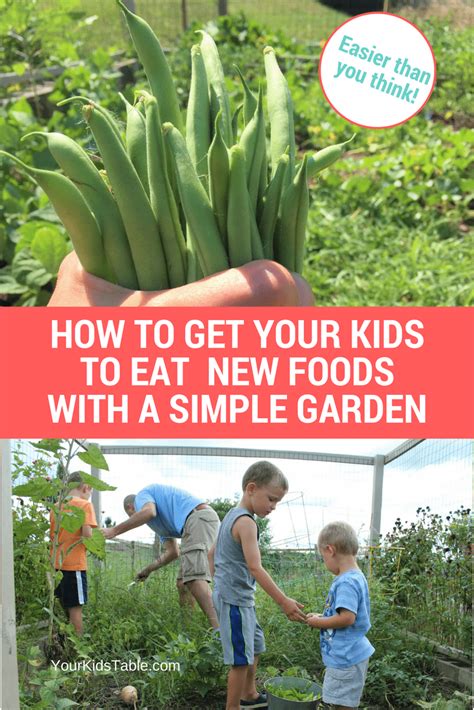
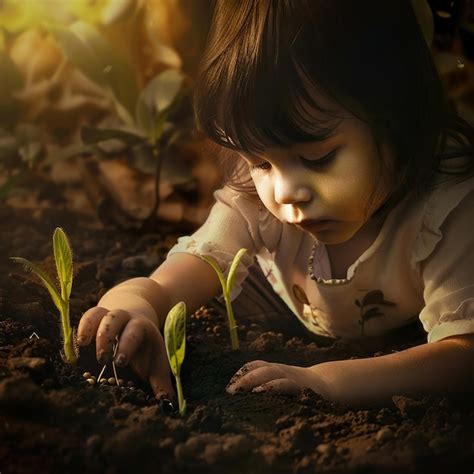
The first step in the garden-to-table journey begins, naturally, in the garden itself. Even without a large plot, a few pots on a balcony can suffice for growing herbs, cherry tomatoes, or lettuces. Involving kids from the very beginning ignites their curiosity and sense of ownership.
Planting Seeds and Seedlings
- Tiny Tenders: Let younger children help with simple tasks like poking holes for seeds, gently placing seeds, or watering freshly planted pots.
- Label Makers: Older kids can write plant labels, research optimal planting times, or help design the garden layout.
Watering and Weeding Wisdom
- Watering Warriors: Provide a child-sized watering can and teach them how much water plants need.
- Weed Detectives: Turn weeding into a treasure hunt for ‘unwanted’ plants, explaining their impact on the growing crops.
Harvesting the Bounty
This is often the most rewarding part! Teach kids how to gently pick ripe vegetables and fruits, explaining the signs of readiness. Their excitement at picking a sun-warmed tomato they helped grow is unparalleled.
Kitchen Explorers: Bringing the Harvest Indoors
Once the produce is harvested, the real fun begins in the kitchen. Tailor tasks to your child’s age and skill level, always prioritizing safety.
Washing and Preparing Produce
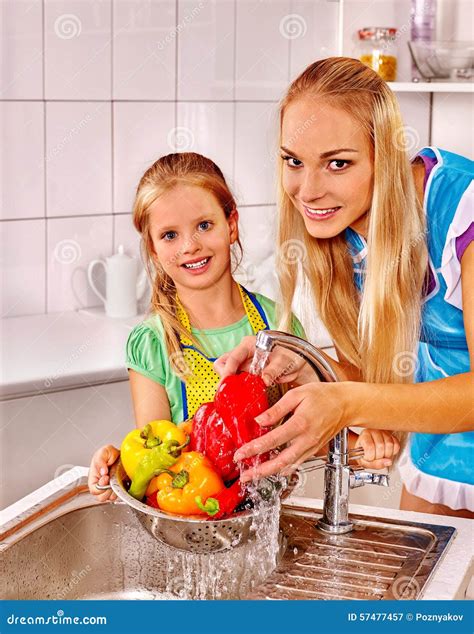
- Water Station Fun: Even toddlers can help wash fruits and vegetables in a bowl of water, scrubbing gently.
- Leafy Greens Duty: Older children can tear lettuce, destem kale, or snap green beans.
Simple Chopping and Peeling Tasks
- Toddler Tools: Provide a plastic knife for soft foods like bananas or cooked potatoes.
- Kid-Safe Knives: Invest in nylon or blunt metal knives designed for children to cut softer vegetables like cucumbers, bell peppers, or cheese.
- Peeling Prowess: With supervision, teach older children how to use a swivel peeler for carrots or potatoes.
Mixing, Stirring, and Seasoning
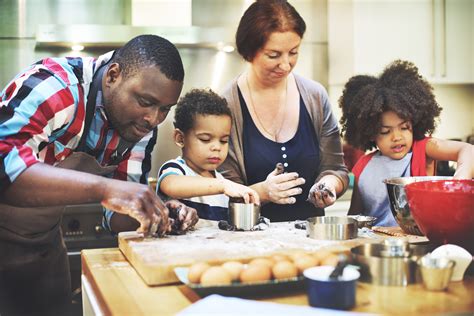
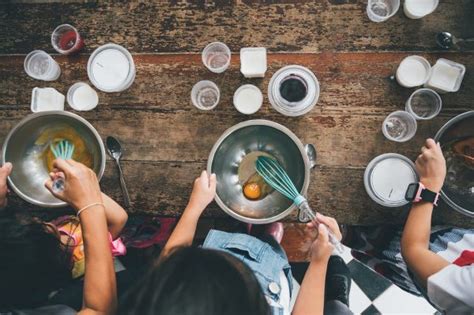
These tasks are perfect for almost any age. From stirring batter to mixing salad dressings or seasoning vegetables, children love being involved in the transformation process. Let them choose a spice or herb from the garden to add!

Age-Appropriate Tasks for Every Child
The key to success is assigning tasks that are achievable and engaging for their developmental stage.
Toddlers and Preschoolers (Ages 2-5)
- Washing fruits and vegetables.
- Stirring ingredients (cold foods).
- Tearing lettuce or herbs.
- Mashing soft foods (like avocados or cooked potatoes).
- Setting the table.
Elementary Schoolers (Ages 6-10)
- Measuring ingredients.
- Simple chopping with a kid-safe knife.
- Cracking eggs.
- Shucking corn.
- Helping read recipes.
- Basic baking tasks (mixing, decorating).
Pre-Teens and Teenagers (Ages 11+)
- Following entire recipes independently.
- Using standard kitchen knives with supervision.
- Operating appliances (blender, food processor).
- Planning meals based on garden harvest.
- Experimenting with flavors and spices.

Making it a Daily, Joyful Ritual
Consistency is crucial for establishing habits. Aim to involve your children in at least one small food prep task daily, even if it’s just washing the salad greens for dinner.
- Scheduled ‘Kitchen Time’: Designate a short, consistent time each day for kids to help with meal prep.
- Patience and Praise: Embrace the mess and celebrate their efforts, no matter how small. Positive reinforcement encourages continued participation.
- Educate and Explain: Talk about the nutritional benefits of the foods they are preparing. Explain cooking processes simply.
- Lead by Example: Your enthusiasm for healthy eating and cooking will be contagious.
The Lasting Harvest
Involving children in daily garden-to-table food prep is an investment in their health, well-being, and future independence. It teaches them patience, responsibility, and the incredible satisfaction of creating something nourishing from scratch. More than just food, you’re cultivating a love for real ingredients, a respect for nature, and invaluable family connections that will last a lifetime.