



Simple, organic ways to enrich garden soil for robust harvests?

The Living Foundation: Why Healthy Soil Matters
For anyone dreaming of lush vegetable patches, vibrant flower beds, or bountiful fruit trees, the secret lies not just in what you plant, but where you plant it. Healthy, living soil is the cornerstone of any successful garden, providing the essential nutrients, structure, and microbial life needed for plants to thrive. Opting for organic methods not only enriches your soil naturally but also fosters a sustainable ecosystem in your backyard, free from synthetic chemicals. Let’s explore some simple, organic ways to transform your garden soil into a powerhouse for robust harvests.

The Black Gold Standard: Composting
Compost is arguably the most valuable amendment you can add to your garden. This ‘black gold’ is created from decomposed organic matter, returning vital nutrients and beneficial microorganisms to the soil. Making your own compost is a rewarding process, turning kitchen scraps, yard waste, and other organic materials into a nutrient-rich soil conditioner. It improves soil structure, enhances water retention in sandy soils, and improves drainage in clay soils.
To use, simply work finished compost into your garden beds before planting, or use it as a top dressing around existing plants. A good compost pile needs a mix of ‘greens’ (nitrogen-rich items like food scraps, grass clippings) and ‘browns’ (carbon-rich items like dried leaves, straw, wood chips), moisture, and aeration.
Green Manure: The Power of Cover Crops
When garden beds lie fallow, they risk erosion and nutrient depletion. Enter cover crops, also known as ‘green manure.’ These plants are grown not for harvest, but to improve soil health. Leguminous cover crops like clover, vetch, and alfalfa fix nitrogen from the air into the soil, while grains like rye and oats add organic matter and suppress weeds. Sown in the off-season, cover crops protect the soil from winter weather, reduce nutrient leaching, and when tilled under, enrich the soil with organic matter as they decompose.
![Raised Vegetable Garden Bed Covers ARE Worth It! [7 Reasons] - Everyday ...](/images/aHR0cHM6Ly90czMubW0uYmluZy5uZXQvdGg/aWQ9T0lQLlgtSmNJMHZ1c0Zid1Njd0NoTGpJeWdIYUU4JnBpZD0xNS4x.webp)
A Protective Blanket: Mulching
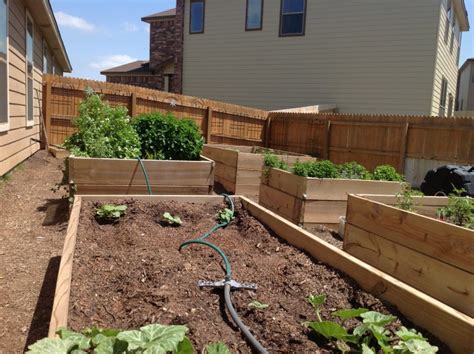
Mulch acts as a protective layer for your soil, mimicking nature’s own methods. A generous layer of organic mulch – such as straw, wood chips, shredded leaves, or grass clippings – offers numerous benefits. It conserves soil moisture, suppresses weeds, regulates soil temperature, and as it breaks down, adds valuable organic matter and nutrients to the soil over time. Mulch also provides a habitat for beneficial soil organisms and worms, which further improve soil structure and fertility.
Worm Wonders: Harnessing Vermiculture
Red wiggler worms are nature’s tiny soil engineers. Vermicomposting, or worm composting, is an excellent way to turn kitchen scraps into nutrient-dense worm castings (worm poop) and ‘worm tea’ (liquid fertilizer). These castings are packed with beneficial microbes and nutrients in a form readily available to plants. Incorporating worm castings directly into your garden beds or using them to make a compost tea can give your plants a significant boost, improving their vigor and resilience.

Strategic Planting: Crop Rotation and Companion Planting
While not direct soil amendments, strategic planting practices significantly contribute to long-term soil health. Crop rotation involves moving different plant families to new locations each season. This prevents the depletion of specific nutrients and breaks disease and pest cycles that tend to build up when the same crops are grown repeatedly in the same spot. Companion planting, on the other hand, involves growing beneficial plant pairs together to deter pests, attract pollinators, and even improve nutrient uptake for neighboring plants.
The Microbial World: Feeding Your Soil’s Little Helpers
Beyond visible amendments, remember that healthy soil is teeming with microscopic life – bacteria, fungi, protozoa, and nematodes. These organisms play a crucial role in breaking down organic matter, cycling nutrients, and making them available to plants. By focusing on organic methods, you’re not just feeding your plants; you’re nurturing this entire invisible ecosystem. Avoid chemical fertilizers and pesticides, which can harm these beneficial microbes, and instead, prioritize adding organic matter to keep your soil’s microbial community thriving.

Cultivating Abundance, Naturally
Enriching your garden soil organically is a journey, not a destination. By consistently applying these simple, natural methods – composting, utilizing cover crops, mulching, vermicomposting, and thoughtful planting strategies – you’ll build a living, fertile foundation that will reward you with robust, healthy harvests for years to come. Embrace the rhythms of nature, and watch your garden flourish in harmony with the earth.