



How to find authentic local food markets & unique craftspeople in rural destinations?
Embracing the Quest for Authentic Rural Experiences
In an age of globalized travel, the desire for authentic, off-the-beaten-path experiences has never been stronger. Rural destinations, with their untouched landscapes and tight-knit communities, offer a treasure trove of local flavors and unique craftsmanship. But how do you move beyond the tourist traps and truly connect with the heart of a place? It requires a blend of savvy research, local engagement, and a dash of serendipity.
Pre-Trip Research: Digital Clues and Local Guides
Before you even pack your bags, a little digital sleuthing can go a long way. Start by exploring local tourism board websites, which often highlight farmers’ markets schedules, artisan trails, or local events. Niche travel blogs and forums dedicated to the specific region can also provide invaluable tips from previous visitors. Look for Facebook groups or Instagram hashtags focused on local food, arts, or the specific rural town you’re visiting. Sometimes, a quick search for “[destination name] farmers market” or “[destination name] artisan studios” will yield initial leads.
Engage with Locals: Your Best Navigators
Once you arrive, the most reliable source of information will always be the locals themselves. Strike up conversations wherever you go: your B&B host, a barista at a local café, the owner of a small general store, or even fellow hikers on a trail. Ask them directly about their favorite local market, where they buy their produce, or if they know any local artists or crafters. People are often proud to share their community’s unique offerings, and these interactions can lead to the most authentic discoveries.
Spotting the Craftspeople: From Studios to Co-ops
Finding unique craftspeople can be a delightful hunt. Look for small, unassuming signs outside homes or workshops indicating “Pottery,” “Woodworking,” “Handwoven Textiles,” or “Local Art.” Many rural artisans operate out of their home studios and rely on word-of-mouth. Check local community centers, libraries, or post offices for bulletin boards – these are often brimming with flyers for craft fairs, open studio days, or local art exhibitions. Don’t overlook small, independent galleries or gift shops; they often feature works from regional artists.

Navigating Food Markets: Timing and Observation
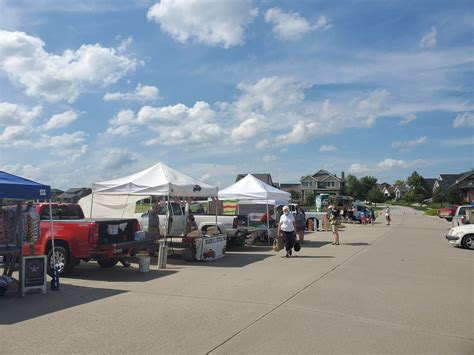
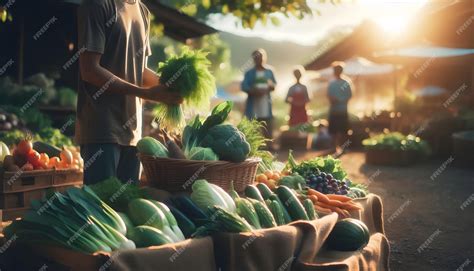
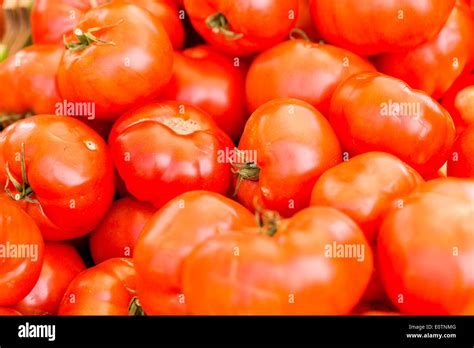
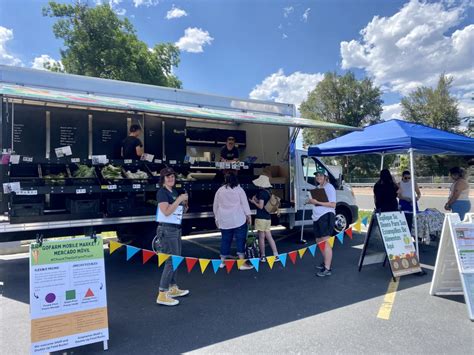
For authentic food markets, timing is everything. Most rural markets operate on specific days of the week, often in the mornings. Confirm these schedules in advance. When you arrive, look for stalls that appear to be run by the producers themselves – often indicated by simpler signage, fewer processed goods, and an abundance of seasonal, sometimes imperfect, produce. Don’t be shy to ask vendors about their farms, their growing practices, or recipes for their produce. This not only builds rapport but also deepens your understanding of the local food system.
Embrace Serendipity and Patience
Some of the best discoveries are made by simply wandering and being open to the unexpected. Take a scenic drive down a less-traveled road, and you might stumble upon a roadside stand selling homemade jams or a small sign for a unique blacksmith. Spend time in the main square or town common; sometimes, craftspeople set up impromptu stalls, or market days spill over into public spaces. Remember that authenticity often requires patience and a willingness to explore beyond the obvious.

The Reward of Genuine Discovery
Successfully finding authentic local food markets and unique craftspeople is more than just a shopping trip; it’s an immersive cultural experience. It’s about tasting the true flavors of a region, appreciating the skill and dedication of local artisans, and connecting with the stories behind the products. These encounters enrich your travels, offer unique souvenirs with real meaning, and leave you with a deeper appreciation for the communities you visit.