



Garden-to-table: getting kids to eat homegrown veggies?

Cultivating Curiosity: Why Garden-to-Table Works for Kids
Getting children excited about eating vegetables can often feel like an uphill battle. However, integrating a ‘garden-to-table’ approach offers a powerful, hands-on solution. When kids are involved in the entire process – from planting a tiny seed to harvesting the ripe produce – they develop a unique connection to their food. This direct engagement fosters curiosity, instills a sense of accomplishment, and significantly increases their willingness to try, and even love, vegetables they might otherwise shun.
Making Gardening an Engaging Adventure
Start small and make the gardening process fun and accessible. Even a tiny container garden on a balcony can be a magical space for children. Give them age-appropriate tasks, like helping to water plants, digging small holes, or gently placing seeds. Focus on the sensory experience: the feel of the soil, the smell of fresh herbs, and the vibrant colors of developing plants. Encourage them to observe the daily changes, fostering a sense of wonder and responsibility.
Let children choose some of the plants. Brightly colored vegetables like cherry tomatoes, rainbow carrots, or snap peas are often instant hits. Herbs like mint or basil are also great for their strong scents and ease of growth. The key is to make it their project, giving them ownership from the very beginning.

Harvesting Happiness: From Garden Bed to Dinner Table
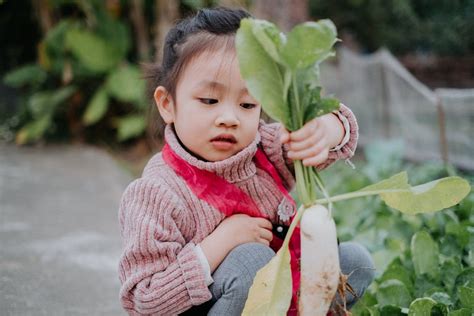
The moment of harvest is incredibly exciting for young gardeners. Let them be the ones to pick the ripe tomatoes or pull up the carrots (with a little guidance, of course). This direct interaction with their produce reinforces the idea that food comes from the earth, not just the supermarket shelf. It’s a tangible reward for their hard work.
Once harvested, involve them in the kitchen. Simple tasks like washing vegetables, tearing lettuce leaves, or snapping bean ends can be very satisfying. Even just having them stand next to you while you prepare dinner, chatting about the vegetables they grew, creates a positive association with healthy food. They’re more likely to eat something they’ve personally contributed to creating.
Creative Cooking and Kid-Approved Veggies
Don’t be afraid to get creative in the kitchen. Transform garden produce into fun, kid-friendly dishes. Cherry tomatoes can become ‘ladybug’ snacks, carrots can be cut into ‘star’ shapes, and bell peppers can be filled with their favorite grains. Dips like hummus or homemade ranch can make raw veggies more appealing. The goal isn’t just to eat the vegetables, but to enjoy the experience of eating them.
Focus on easy-to-grow vegetables that children tend to enjoy, such as:
- Cherry Tomatoes: Sweet, colorful, and fun to pick.
- Snap Peas: Naturally sweet and crunchy, perfect for snacking.
- Carrots: Exciting to pull from the ground, can be eaten raw or cooked.
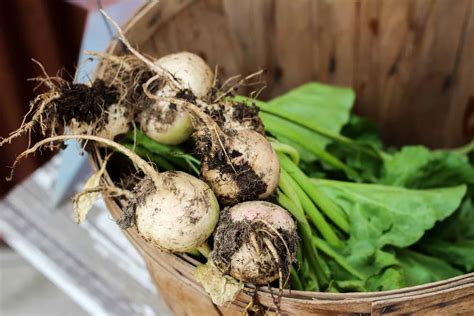
- Radishes: Quick to grow, offering a spicy kick that some adventurous eaters might love.
- Lettuce/Spinach: Fast-growing and great for salads or sandwiches.

The Art of Patience and Positive Reinforcement
Remember that developing healthy eating habits is a journey, not a sprint. Not every vegetable will be a hit, and that’s perfectly normal. Encourage kids to try new things without pressure. Celebrate their efforts in the garden and their willingness to taste, even if they don’t finish everything on their plate. Lead by example, showing your own enjoyment of homegrown produce.
Consistency is key. Continue to offer a variety of garden-fresh foods, prepared in different ways. Over time, children often become more adventurous eaters as their palates develop and their connection to their food strengthens. The garden-to-table approach teaches valuable lessons about nature, responsibility, patience, and the incredible rewards of fresh, healthy food.

Conclusion
Engaging children in the garden-to-table process is more than just a way to sneak in extra vegetables; it’s an opportunity to teach them about where food comes from, foster a love for nature, and build healthy habits that can last a lifetime. By making gardening and cooking a shared family adventure, you can transform picky eaters into enthusiastic, veggie-loving little gardeners.