



Quickest way to turn kitchen scraps into nutrient-rich compost for my garden?
Turning kitchen scraps into nutrient-rich compost is one of the most rewarding practices for any gardener, especially for those embracing a country living lifestyle. Not only does it divert waste from landfills, but it also creates a free, organic soil amendment that supercharges your plants’ growth. If speed is your priority, there are several effective strategies you can employ to get that black gold into your garden faster than ever.
Understanding the Basics of Fast Composting
To accelerate decomposition, you need to create an ideal environment for microorganisms. This involves a proper balance of ‘greens’ (nitrogen-rich items like kitchen scraps) and ‘browns’ (carbon-rich items like dry leaves or shredded paper), adequate moisture, good aeration, and small particle size. The smaller your scraps, the quicker they’ll break down.

The Fastest Methods for Kitchen Scrap Composting
1. Hot Composting: The Speedy Approach
Hot composting is the quickest way to produce finished compost, often yielding results in a few weeks. It requires a larger volume of material to generate heat, but smaller, dedicated bins can work for kitchen scraps if managed correctly. The key is to have a good mix of 50% greens (kitchen scraps, fresh grass clippings) and 50% browns (shredded cardboard, dry leaves, wood shavings), chopped into small pieces. Build your pile all at once if possible, ensuring it’s at least three feet by three feet. Keep it moist like a wrung-out sponge and turn it every few days to aerate it and redistribute heat. A well-managed hot pile can reach temperatures of 130-160°F (55-70°C), rapidly breaking down organic matter.
2. Vermicomposting: Worms to the Rescue
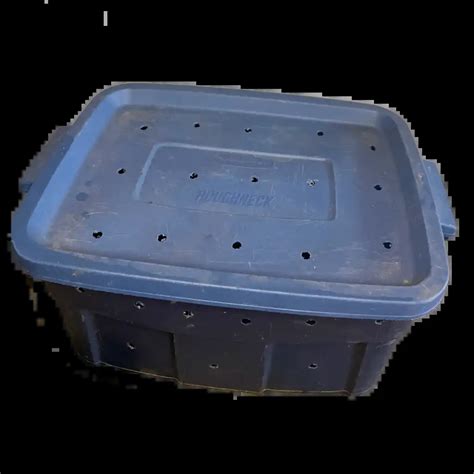
For kitchen scraps specifically, vermicomposting (worm composting) is incredibly efficient and doesn’t require a large outdoor space. Red wigglers and other composting worms are voracious eaters, transforming food waste into nutrient-dense worm castings (vermicompost) in a matter of weeks. Set up a worm bin in a cool, dark place (indoors or in a garage/shed). Add your kitchen scraps (avoiding meat, dairy, and oily foods) to one side, and the worms will do the rest. The castings are a phenomenal soil amendment, rich in beneficial microbes.
3. Trench Composting: A Direct Garden Boost
If you’re looking for a no-fuss, direct-to-garden method, trench composting is excellent. Simply dig a trench or hole (about 12-18 inches deep) in an unused part of your garden bed, deposit your kitchen scraps, and cover them with soil. The soil organisms and worms will break down the scraps directly in the ground, enriching that specific area. While not producing a traditional pile of compost, it’s a very fast way to get nutrients into your garden soil where they’re needed. Rotate your trench locations to enrich different areas over time.
Accelerating Your Composting Process
- Chop it Up: The smaller the pieces, the faster they decompose. Use a food processor, blender, or knife to chop kitchen scraps into tiny fragments before adding them to your pile or bin.
- Maintain Moisture: A compost pile should be consistently moist, like a damp sponge. Too dry, and decomposition slows; too wet, and it can become anaerobic and smelly.
- Aeration is Key: Turn your compost pile regularly (daily for hot composting, weekly for slower methods) to introduce oxygen. For worm bins, gently fluff the bedding.
- Add a Catalyst: A handful of finished compost or garden soil can introduce beneficial microbes to kickstart the process. Commercial compost activators are also available, though often not necessary.
- Balance Greens and Browns: Strive for a good mix. Too many greens can lead to a smelly, slimy pile; too many browns will slow decomposition significantly.
What to Compost (and What to Avoid for Speed)
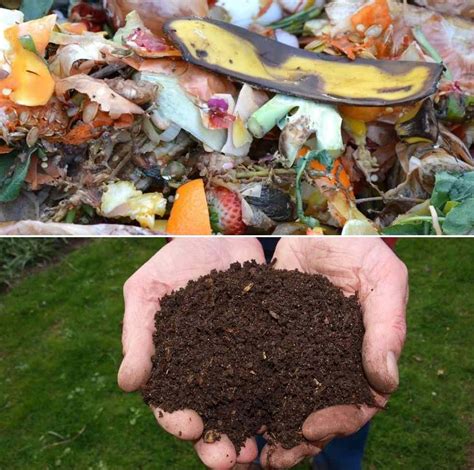
Excellent, fast-decomposing scraps:
- Fruit and vegetable peels/scraps
- Coffee grounds and filters
- Tea bags
- Eggshells (crush them for faster breakdown)
- Stale bread and grains
Avoid (or add sparingly and with caution for speed):
- Meat, bones, and fish (attract pests, can smell, slow to break down, especially in small, quick systems)
- Dairy products and oily foods (attract pests, create odors)
- Grease and cooking oils
- Diseased plants (can spread pathogens)
- Pet waste (potential for pathogens)
Harvesting and Using Your Nutrient-Rich Compost
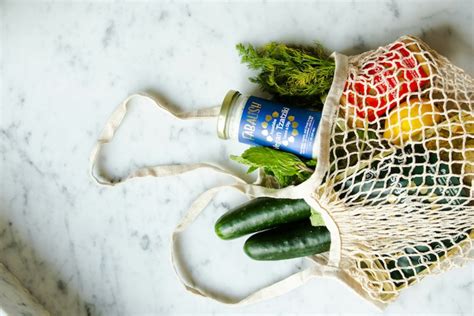
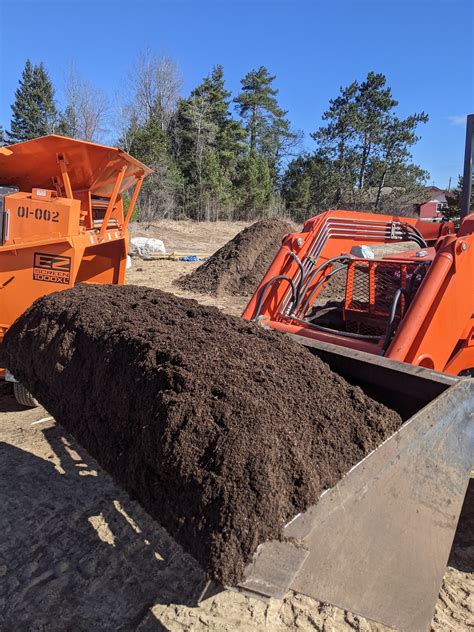
You’ll know your compost is ready when it’s dark brown, crumbly, smells earthy, and you can no longer identify the original scraps. It will be cooler than a working hot pile. Finished compost can be dug directly into garden beds, used as a top dressing around plants, or mixed into potting soil for containers. Its rich microbial life, balanced nutrients, and organic matter will significantly improve soil structure, water retention, and plant health, making your garden thrive.
By implementing these quick composting methods, you can rapidly transform your kitchen waste into a valuable resource, closing the loop on your household’s organic waste and providing your garden with the best possible natural nourishment. Happy composting!