

Best, safest methods for preserving garden produce for winter?

The satisfaction of harvesting your own produce is immense, but the joy doesn’t have to end with the growing season. With a bit of planning and the right techniques, you can enjoy your garden’s bounty throughout the cold winter months. Preserving food not only saves money but also ensures you have access to nutritious, homegrown ingredients free from unwanted additives. The key is to choose methods that are both effective and, above all, safe.

Mastering the Art of Canning: Water Bath and Pressure
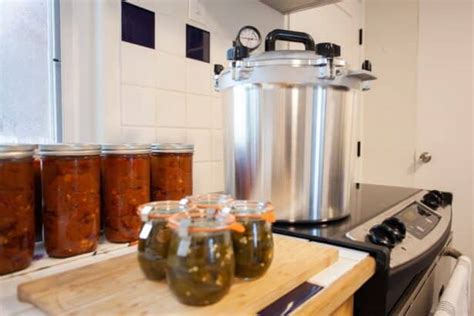
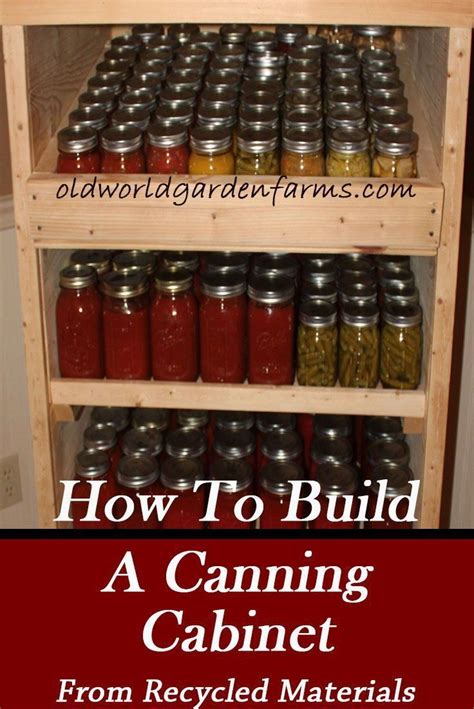
Canning is a time-honored tradition that allows you to store produce in airtight jars for extended periods. It’s crucial to understand the two main types: water bath canning and pressure canning, as using the wrong method can lead to dangerous food spoilage.
Water Bath Canning for High-Acid Foods
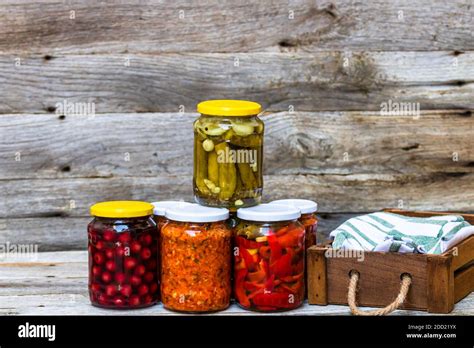
This method is suitable for high-acid foods like fruits, jams, jellies, pickles, and tomatoes (with added acid). Jars are submerged in boiling water for a specific time, creating a vacuum seal. Always follow tested recipes from reliable sources like the National Center for Home Food Preservation (NCHFP).
Pressure Canning for Low-Acid Foods
Low-acid foods, including most vegetables, meats, and mixed dishes, require pressure canning. This method reaches temperatures high enough (above boiling point) to destroy Clostridium botulinum spores, which thrive in low-acid, oxygen-free environments and produce a deadly toxin. A pressure canner is essential; never attempt to water bath can low-acid foods.
Safety Tips for Canning: Use clean, sterilized jars and new lids. Check seals after 24 hours. Store jars in a cool, dark place. Discard any jars with compromised seals, mold, or unusual odors.
Freezing: The Quick and Easy Preservation Method
Freezing is arguably the easiest and quickest way to preserve many garden vegetables and fruits, retaining much of their flavor, texture, and nutritional value. Most vegetables benefit from blanching before freezing – a brief dip in boiling water followed by an ice bath – to stop enzyme action that can cause flavor and color degradation.
After blanching (if required), spread produce in a single layer on a baking sheet to freeze individually, then transfer to airtight freezer bags or containers. This prevents clumping and allows you to use only what you need. Ensure as much air as possible is removed from bags to prevent freezer burn. Berries, chopped peppers, and herbs are often excellent candidates for direct freezing without blanching.

Dehydrating: Concentrating Flavors and Nutrients
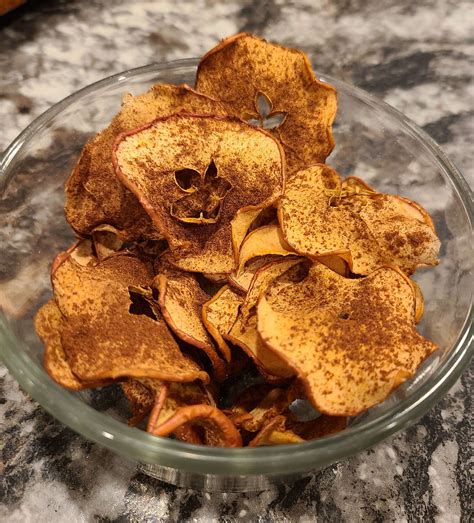
Dehydrating food removes moisture, inhibiting microbial growth and enzyme activity, making produce shelf-stable. This method is great for herbs, fruits (making fruit leather), vegetables for soups, and even meat for jerky. A food dehydrator provides the most consistent results, though ovens on their lowest setting with the door ajar can also work.
Slice produce uniformly for even drying. Ensure food is completely dry and brittle before storing in airtight containers in a cool, dark place. Proper drying is crucial to prevent mold and spoilage.
Root Cellars and Cold Storage: Nature’s Refrigerator
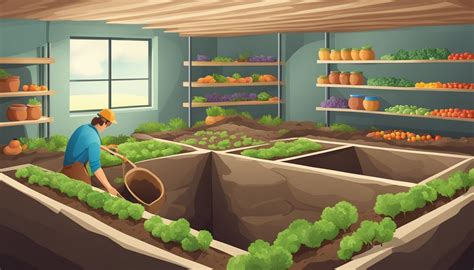
For certain root vegetables and fruits, a well-managed root cellar or other cool, dark, and humid storage space can be the simplest and most energy-efficient preservation method. Potatoes, carrots, beets, apples, and onions are excellent candidates. The ideal conditions vary by produce type but generally involve temperatures between 35-50°F (1-10°C) and high humidity.
Ensure produce is healthy, unblemished, and free of dirt before storing. Separate different types of produce, as some (like apples) release ethylene gas that can ripen or spoil others. Regular checks are important to remove any items showing signs of spoilage to prevent it from spreading.
Prioritizing Safety in All Preservation Endeavors
Regardless of the method you choose, food safety should always be your top priority. Always use clean equipment, fresh and unblemished produce, and follow tested recipes and guidelines from reputable sources. Educate yourself on the specific risks associated with each preservation technique, especially botulism when canning. A successful preservation season means a safe and delicious winter pantry.