




Best method to preserve excess garden tomatoes?

Embracing the Abundance: Why Preserve Your Garden Tomatoes?
There’s nothing quite like the joy of harvesting ripe, sun-kissed tomatoes from your own garden. However, with this bounty often comes the delightful dilemma of what to do with the excess. Rather than letting a single precious fruit go to waste, preserving your tomatoes allows you to capture that peak summer flavor and enjoy it throughout the colder months. From simmering rich sauces in winter to adding a burst of freshness to salads, preserved tomatoes are a pantry staple for any home cook.
Choosing the “best” method often depends on your culinary goals, available time, and storage space. Let’s explore the most popular and effective techniques.
Canning: The Classic Approach for Long-Term Storage
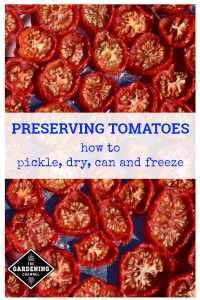
Canning is arguably the most traditional and rewarding method for preserving tomatoes, offering shelf-stable jars that last for years. Tomatoes are high-acid, making them suitable for water bath canning when proper steps are followed, including adding a small amount of acid (lemon juice or citric acid) to ensure safety. You can can whole peeled tomatoes, crushed tomatoes, diced tomatoes, or turn them into delicious salsas, sauces, and passata.
While it requires an initial investment in equipment (canner, jars, lids) and a dedicated afternoon, the payoff is a pantry stocked with versatile, homegrown goodness. Always follow tested recipes from reliable sources like the USDA Complete Guide to Home Canning to ensure safety.
Freezing: The Easiest Method for Raw Tomatoes
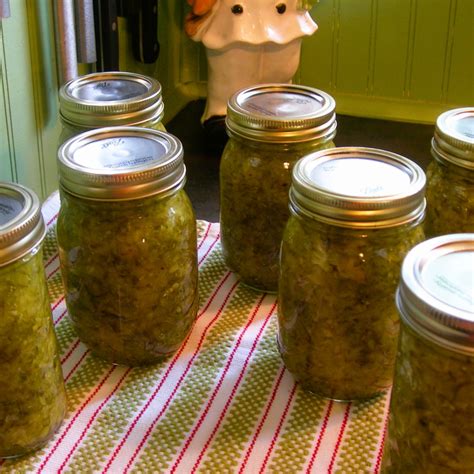
For sheer simplicity and minimal effort, freezing is an unbeatable option, especially if you plan to use your tomatoes in cooked dishes. You don’t even need to peel or blanch them beforehand! Whole tomatoes can be washed, cored, and placed on a baking sheet to freeze solid, then transferred to freezer bags. When you’re ready to use them, a quick rinse under warm water makes the skins slip right off.
Alternatively, you can chop or purée tomatoes and freeze them in containers, ice cube trays, or freezer bags. This method preserves their fresh flavor beautifully and is perfect for adding to soups, stews, chilis, and sauces directly from the freezer.
Drying: Concentrated Flavor for Culinary Delights
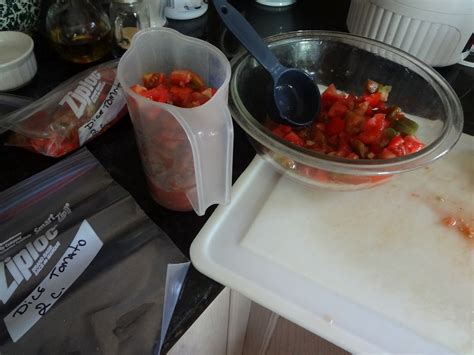
Drying tomatoes, either in a dehydrator or under the sun, transforms them into intensely flavorful morsels. This method removes most of the water content, concentrating their natural sweetness and umami. Sun-dried tomatoes can be stored in airtight containers or packed in olive oil (refrigerated) for extended preservation.
They are fantastic in salads, pasta dishes, sandwiches, or simply as a snack. While it takes more time and attention than freezing, the unique taste and texture of dried tomatoes are well worth the effort, adding a gourmet touch to countless recipes.

Making Sauces, Pastes, and Ketchup: Culinary Transformation
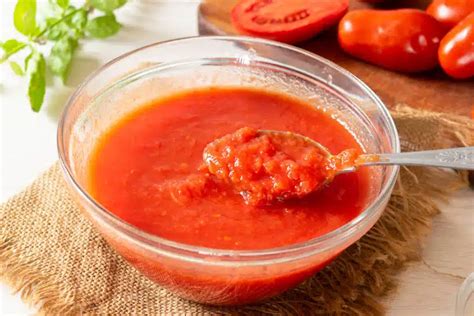
If your goal is to have ready-to-use tomato products, cooking your excess tomatoes down into sauces, pastes, or even homemade ketchup is an excellent strategy. This process involves simmering tomatoes for several hours to reduce their liquid content and intensify their flavor. Once cooked, these products can be frozen in portions or canned for long-term storage.
Homemade tomato sauce or paste allows you complete control over ingredients, avoiding added sugars, salts, or preservatives often found in commercial products. It’s a labor of love that pays dividends in delicious, healthy meals.
Choosing Your “Best” Method
Ultimately, the “best” method depends on what you plan to do with your tomatoes. If you want shelf-stable versatility, canning is ideal. For quick and easy storage for cooked dishes, freezing is king. If intense flavor and a unique texture for specific recipes are your aim, drying is the way to go. And for ready-to-eat staples, cooking them down is perfect.
Consider trying a combination of methods to make the most of your abundant harvest. Each technique offers a distinct way to enjoy the incredible taste of your garden-fresh tomatoes long after the summer sun has faded.