


Engaging kids in daily real food kitchen tasks?
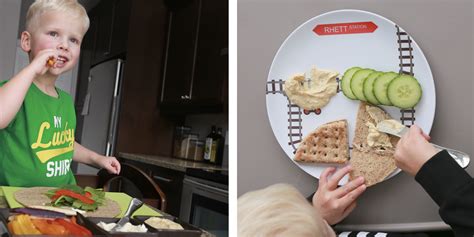
In an age dominated by processed foods, teaching children the value and joy of preparing real food is more crucial than ever. Engaging kids in daily kitchen tasks not only equips them with essential life skills but also cultivates a deeper appreciation for nutritious eating and strengthens family bonds. It transforms meal prep from a chore into a shared adventure.

Why Involve Kids in the Kitchen?
Inviting children into the kitchen offers a multitude of benefits that extend far beyond simply helping with dinner:
- Life Skills Development: From measuring and counting to following instructions and problem-solving, the kitchen is a fantastic classroom. Kids learn practical math, science, and literacy without even realizing it.
- Fostering Healthy Habits: When children participate in preparing meals, they are more likely to try and enjoy the foods they helped create. This hands-on involvement demystifies ingredients and fosters a positive relationship with healthy eating from an early age.
- Building Confidence and Independence: Successfully completing a kitchen task, no matter how small, boosts a child’s self-esteem. It empowers them to feel capable and contributes to the family unit.
- Quality Family Time: The kitchen can become a hub for conversation, laughter, and shared experiences, creating lasting memories and strengthening family connections beyond the dinner table.

Age-Appropriate Kitchen Tasks
Tailoring tasks to a child’s developmental stage ensures engagement and safety:
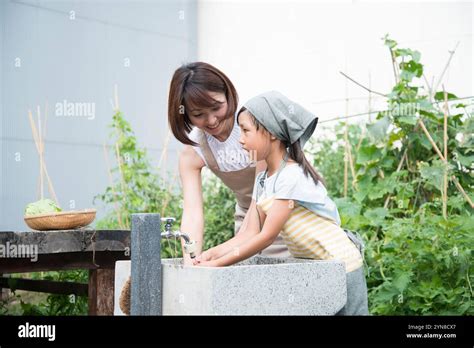
- Toddlers (1-3 years): Simple tasks like washing vegetables and fruits, stirring ingredients in a bowl (with supervision), tearing lettuce for salads, or handing you utensils. Focus on sensory exploration and basic motor skills.
- Preschoolers (3-5 years): They can do more! Mashing avocados, cracking eggs (into a separate bowl first), spreading butter or jam, helping set the table, pouring ingredients (dry or liquid with supervision), and using cookie cutters.
- School-Aged (6-10 years): Introduce supervised knife skills (child-safe knives), peeling vegetables, measuring and leveling ingredients accurately, reading simple recipes, grating cheese, and making simple snacks independently.
- Pre-Teens & Teens (11+ years): They can take on significant roles, including meal planning, grocery shopping, following complex recipes, preparing entire side dishes or main courses, and learning about food budgeting and waste reduction.
Tips for a Smooth & Fun Experience
To make kitchen time enjoyable and productive for everyone, keep these tips in mind:
- Start Small and Simple: Don’t overwhelm them. Begin with one easy task and gradually increase complexity.
- Patience is Key: It will be messier and slower than doing it yourself. Embrace the process, not just the outcome.
- Make it Fun: Play music, tell stories, or turn tasks into games. Let them choose a recipe sometimes.
- Prioritize Safety: Teach knife safety, stove safety, and proper handwashing from the start. Supervise closely, especially with heat or sharp objects.
- Celebrate Efforts, Not Perfection: Praise their participation and effort, even if the carrots aren’t perfectly diced or the cookies are a little uneven.
- Lead by Example: Show your own enthusiasm for cooking and healthy eating.

Beyond Cooking: Understanding Real Food
Beyond just the act of cooking, engaging kids in understanding where real food comes from is invaluable. Visit local farmers’ markets, plant a small herb garden, or discuss the journey of ingredients from farm to table. This deepens their appreciation for fresh produce and sustainable practices. Teaching them about different food groups and the nutritional benefits of whole foods helps them make informed choices as they grow.

Involving children in daily real food kitchen tasks is an investment in their future health, confidence, and overall well-being. It transforms everyday meal preparation into a powerful tool for education, connection, and joy. By making the kitchen a welcoming and inclusive space, we equip our kids with skills for life and foster a generation that values real, wholesome food.