



Tips for tenderizing tough country meat cuts for fall-apart stews?
Conquering Tough Country Cuts for Ultimate Stews
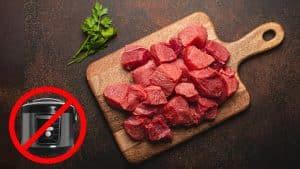
Country meat cuts, often prized for their deep flavor and affordability, can present a challenge due to their inherent toughness. Cuts like chuck, shank, or oxtail are rich in connective tissue, which, if not properly handled, can result in chewy, unappetizing stew meat. However, with the right techniques, these cuts can be transformed into incredibly tender, fall-apart delicious components for your hearty stews. Let’s explore the secrets to achieving that perfect texture.
Understanding the Nature of Toughness
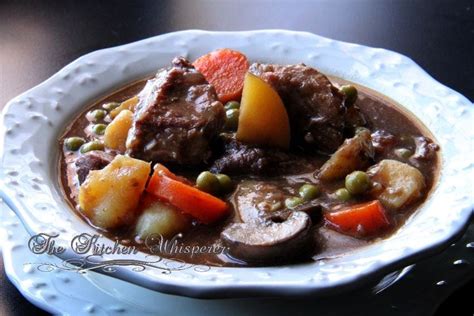
The toughness in these cuts primarily comes from collagen, a protein found in connective tissues, and densely packed muscle fibers. Unlike more tender cuts, these require specific cooking conditions to break down the collagen into gelatin, which gives stew its rich mouthfeel and makes the meat succulent. Fast cooking at high heat will only make these cuts tougher; patience and moisture are your allies.
Pre-Cooking Tenderization Strategies
1. Mechanical Tenderization
Before you even think about cooking, you can begin the tenderizing process. Pounding the meat with a mallet helps to break down muscle fibers. For larger cuts, scoring the surface with a sharp knife can also aid in tenderizing and allows marinades to penetrate deeper. While effective, don’t overdo it, as you still want the meat to hold its shape.
2. Acidic Marinades
Acids found in ingredients like vinegar, wine, citrus juices (lemon, lime), and even buttermilk or yogurt, can help to denature proteins in the meat, breaking down some of its tough structure. Marinate your meat for several hours or even overnight. Be cautious with highly acidic marinades; too long can result in a mushy exterior. Always pat the meat dry before searing to ensure a good crust.
3. Enzymatic Tenderizers
Certain fruits contain natural enzymes that are excellent meat tenderizers. Papain (from papaya) and bromelain (from pineapple) are common examples. You can use fresh fruit juices or powdered enzymatic tenderizers, but use them sparingly and for short periods (typically less than an hour), as they can quickly turn meat mushy if left too long. Ginger is another natural enzyme-rich ingredient that works similarly.
The Magic of Moist, Low-and-Slow Cooking
This is arguably the most crucial step for tough cuts. Collagen needs time and moisture to break down into gelatin. Dry heat will only toughen it further.
1. Braising and Stewing
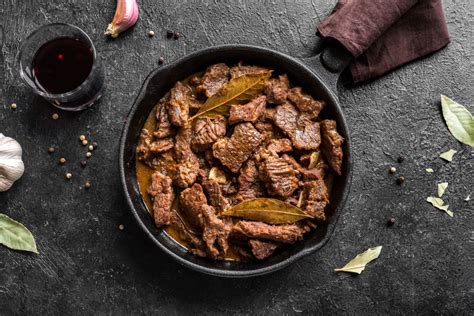
Sear your meat first to develop a rich, flavorful crust (the Maillard reaction). Then, submerge it partially or fully in flavorful liquid (broth, wine, beer, tomatoes) in a heavy pot or Dutch oven. Cook it slowly at a low temperature (around 300-325°F / 150-160°C in the oven, or on low heat on the stovetop) for several hours. This sustained, moist heat gradually dissolves the collagen, leaving you with fork-tender meat.
2. Pressure Cooking
For a faster method that still achieves incredible tenderness, a pressure cooker is your best friend. The high pressure raises the boiling point of water, allowing the meat to cook at a higher temperature while still being bathed in moisture. This dramatically speeds up the collagen breakdown, cutting cooking times by more than half compared to traditional stewing.
Don’t Forget About Proper Cutting and Searing
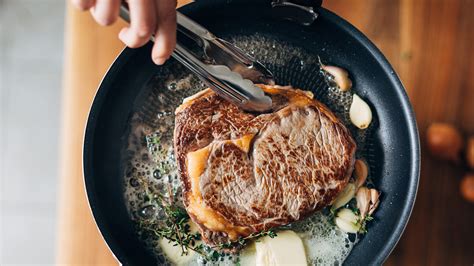
Always cut your meat against the grain once cooked, as this shortens the muscle fibers, making it easier to chew. Before the long braise, sear the meat in small batches until deeply browned on all sides. This step is not about cooking the meat through, but about building layers of flavor that will permeate your stew.
Combining Techniques for Optimal Results
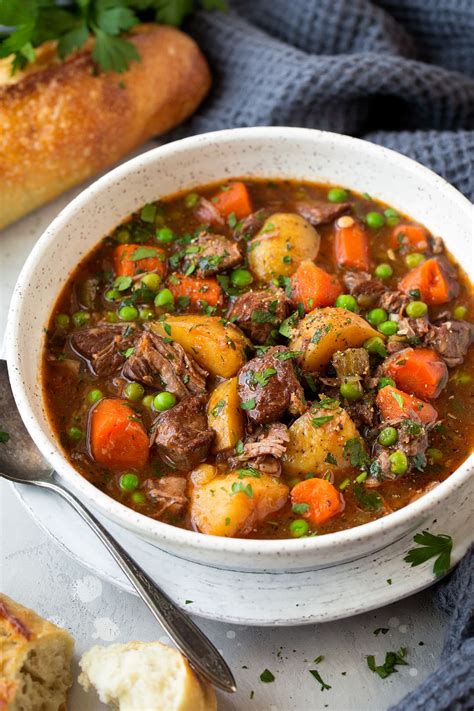
For the absolute best results, don’t rely on just one method. Consider a combination: score and marinate your meat overnight, sear it beautifully, then commit to a long, slow braise. The synergy of these techniques will transform even the toughest country cuts into melt-in-your-mouth perfection, yielding a stew that’s rich in flavor and wonderfully tender.