


Best natural ways to boost free-range chicken egg production in winter?

Understanding Winter Laying Challenges
Winter often brings a noticeable dip in egg production from free-range chickens. This isn’t just a coincidence; it’s a natural response to shorter daylight hours, colder temperatures, and often, a scarcity of natural forage. Chickens require at least 14-16 hours of light daily to stimulate their endocrine system for consistent laying. Additionally, maintaining body temperature and foraging for food in harsh conditions demands more energy, which can divert resources away from egg production. Understanding these factors is the first step toward implementing natural solutions.
Optimize Winter Nutrition
During winter, free-range chickens might struggle to find enough insects, greens, and other natural supplements to their diet. To counteract this, it’s crucial to enhance their feed naturally.
- High-Quality Layer Feed: Ensure they have constant access to a high-protein, nutrient-dense layer feed. Look for options with at least 16% protein and balanced calcium for strong shells.
- Supplemental Grains: Offer cracked corn or other grains in the afternoon. This provides extra calories to help them stay warm overnight as their metabolism works to digest the food.
- Fermented Feed: Fermenting grains can increase nutrient availability and palatability, making it easier for chickens to absorb more goodness from their food.
- Garden Scraps & Root Vegetables: Provide nutrient-rich kitchen scraps like cooked potatoes, carrots, or squash. These offer vitamins and a bit of moisture.
- Protein Boosts: Consider offering mealworms (dried or live) as an occasional treat. They are an excellent natural protein source, especially beneficial when natural insect foraging is low.
Ensure Adequate Hydration
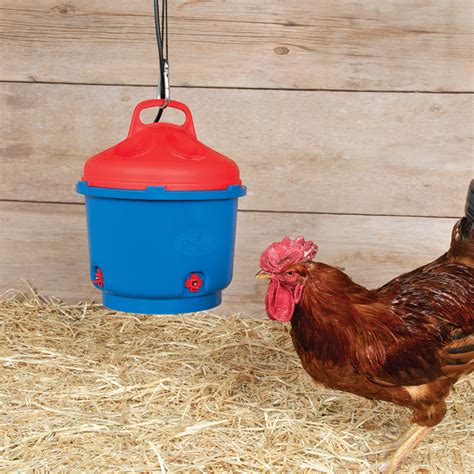
Access to fresh, unfrozen water is paramount, even in winter. Dehydration can quickly halt egg production. Use heated waterers or change water multiple times a day to prevent freezing. Chickens drink more water than you might think, and cold water can deter them.
Provide a Cozy & Safe Coop Environment
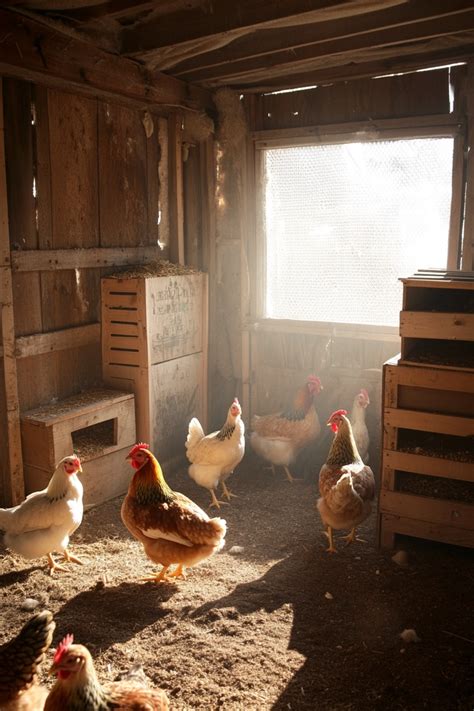
While free-ranging is ideal, a warm and draft-free coop is essential for winter laying. Chickens expend significant energy trying to stay warm, energy that could otherwise go into egg production.
- Insulation: Ensure the coop is well-insulated, but also well-ventilated at the top to prevent ammonia buildup.
- Deep Litter Method: This method uses a thick layer of carbon-rich bedding (like pine shavings) which composts in place, generating a small amount of heat and improving air quality.
- Protection from Drafts: Seal any cracks or openings that allow cold air to blow directly onto your birds.
- Roosting Space: Provide sturdy roosting bars where chickens can huddle together for warmth.
- No Artificial Heat (Generally): While tempting, supplemental heaters are generally not recommended for healthy chickens as they can create dependency, fire hazards, and respiratory issues. Focus on insulation and deep litter instead.
Strategic Light Management
One of the most significant factors in winter egg production is light. Naturally, as days shorten, hens slow or stop laying.
- Supplemental Lighting: Consider adding a low-wattage LED light to the coop on a timer. Aim for 14-16 hours of total light exposure (natural + artificial). A 25-watt bulb is usually sufficient for a standard coop.
- Morning Light is Best: Set the timer to turn the light on in the early morning, before dawn. This extends their ‘daylight’ hours naturally and allows them to wake up and eat before full daylight. Avoid adding light at dusk, as it can confuse them and prevent them from roosting properly.
- Gradual Introduction: If you’ve never used supplemental light, introduce it gradually. Avoid sudden changes in their light schedule.

Reduce Stress & Encourage Activity
Stressed chickens are less likely to lay. Winter can be stressful due to confinement, cold, and lack of foraging.
- Expand Foraging Opportunities: If the ground isn’t covered in deep snow, encourage them to forage during warmer parts of the day. Consider providing a ‘chicken run’ area that is covered and protected from wind, allowing them more space than just the coop.
- Mental Stimulation: Hang cabbage or other vegetables for them to peck at, or scatter scratch grains in their run to encourage natural foraging behaviors and prevent boredom.
- Keep Roosters Calm: Ensure your rooster isn’t overly aggressive, as stress from frequent breeding can also impact hen health and laying.
- Protection from Predators: Winter often makes predators bolder. Ensure your coop and run are secure.
Conclusion
Boosting free-range chicken egg production in winter naturally boils down to supporting their fundamental needs: optimal nutrition, clean water, a warm and safe environment, and sufficient light. By focusing on these natural methods, you can help your flock stay healthy, happy, and productive throughout the colder months, ensuring a steady supply of fresh, homegrown eggs.