

How to preserve summer harvest with family for year-round real food meals?

Embracing the Abundance: Why Preserve Summer Harvest?
As the days lengthen and gardens burst with color, summer brings an incredible bounty of fresh produce. While enjoying ripe tomatoes straight from the vine or crisp cucumbers is a quintessential summer pleasure, the season’s abundance often surpasses immediate consumption. Preserving this harvest isn’t just about preventing waste; it’s a powerful way to ensure your family enjoys nutritious, real food meals year-round, bypass supermarket additives, and save money. More importantly, involving your family transforms a chore into a cherished tradition, teaching valuable life skills and fostering a deeper connection to where food comes from.
Imagine the joy of opening a jar of homemade salsa in the dead of winter, its vibrant flavor transporting you back to sunny days. Or pulling frozen berries from the freezer for a morning smoothie, knowing they were picked at their peak. This article will guide you through practical methods for preserving your summer harvest and offer creative ways to involve every family member, making it a rewarding experience for all.

Tried-and-True Preservation Methods for Every Family
There are numerous ways to preserve food, each with its own advantages. The best method depends on the type of produce, your available equipment, and your family’s preferences. Here are some popular and effective techniques:
- Freezing: Perhaps the simplest method, freezing is excellent for fruits (berries, peaches, corn) and many vegetables (beans, peas, broccoli). Blanching vegetables before freezing helps retain their color, flavor, and nutrients. Simply wash, chop, blanch (if needed), cool, and pack into freezer-safe bags or containers.
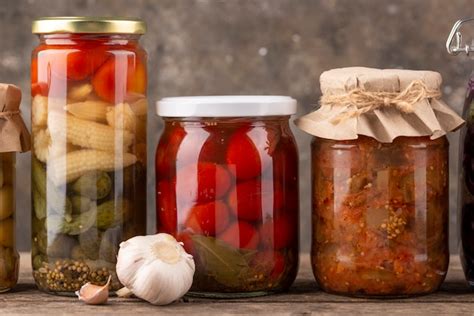
- Canning: A classic method, canning uses heat to seal food in jars, creating a vacuum that prevents spoilage. Water bath canning is suitable for high-acid foods like fruits, jams, jellies, pickles, and tomatoes (with added acid). Pressure canning is essential for low-acid foods such as vegetables, meats, and soups, as it reaches higher temperatures to kill dangerous bacteria.
- Dehydrating: Removing moisture through dehydration concentrates flavors and makes food lightweight and shelf-stable. This method is perfect for fruit leathers, dried herbs, sun-dried tomatoes, and even vegetable chips. A food dehydrator or even a low oven can be used.
- Fermenting: Fermentation not only preserves food but also enhances its nutritional value by creating beneficial probiotics. Making sauerkraut, kimchi, or lacto-fermented pickles is a fun and delicious way to preserve foods like cabbage, cucumbers, and other vegetables.
Getting the Whole Family Involved in the Process
Preserving food doesn’t have to be a solo endeavor; it’s an excellent opportunity for family bonding and teaching children about food systems. Assign age-appropriate tasks to make everyone feel like a valuable contributor:
- Young Children (2-6 years): They can help wash produce, pluck berries from stems, tear green beans, or stir ingredients (with supervision). Make it a game!
- School-Aged Children (7-12 years): Introduce them to chopping (with dull knives or supervision), stirring larger pots, packing bags for freezing, or peeling vegetables. They can also help label jars and bags.
- Teenagers and Adults: These family members can handle more complex tasks like operating food processors, blanching, safely canning, or managing the dehydrator. They can also research new recipes and methods.
Turn on some music, tell stories, and make the preserving sessions a time for connection. The sense of accomplishment when the pantry is stocked with homemade goodness is a powerful motivator for everyone.

Tips for a Successful and Enjoyable Preserving Season
- Start Small: Don’t try to preserve everything at once. Pick one or two favorite items and master those methods before expanding.
- Gather Supplies: Ensure you have all necessary equipment (jars, lids, canning tools, freezer bags, dehydrator, etc.) before you begin.
- Follow Recipes: Especially with canning, always use tested recipes from reliable sources (like university extension offices or reputable canning books) to ensure safety.
- Batch Processing: If possible, dedicate a specific day or block of time to preserving a large batch of one item. This can be more efficient.
- Label Everything: Include the item, date, and any special instructions on your labels. This prevents mystery jars later on!

Year-Round Real Food Meals: Enjoying Your Labor of Love
Once your summer harvest is preserved, the real fun begins: incorporating these treasures into delicious, wholesome meals throughout the year. Your pantry and freezer will become a personal farmers’ market, providing the building blocks for countless dishes.
- Soups and Stews: Use frozen vegetables, canned tomatoes, or dried herbs to create hearty, flavorful winter warmers.
- Breakfast Boosts: Add frozen berries to smoothies, oatmeal, or pancakes. Use dehydrated fruit in granola.
- Quick Dinners: Canned beans or diced tomatoes are excellent bases for chili, pasta sauces, or casseroles. Fermented vegetables add a tangy kick to sandwiches or as a side dish.
- Snacks: Fruit leather, dried fruit, or vegetable chips make healthy, portable snacks.
The satisfaction of serving a meal made with ingredients you’ve grown and preserved yourself is immense. It deepens your family’s appreciation for food, strengthens healthy eating habits, and creates a sense of self-sufficiency.

Conclusion: A Taste of Summer, All Year Long
Preserving the summer harvest with your family is more than just a culinary activity; it’s an investment in your family’s health, a connection to nature, and a builder of lasting memories. From the sticky hands of a child helping shell peas to the proud moment of lining up freshly canned jars on a shelf, every step is an opportunity for joy and learning. Embrace the season’s bounty, empower your family with valuable skills, and savor the taste of summer sunshine in every real food meal, all year long.