



Practical ways to preserve abundant garden tomatoes beyond traditional canning?

As summer peaks and your garden explodes with a vibrant harvest, the sheer abundance of ripe tomatoes can be both a joy and a challenge. While traditional water bath canning is a time-honored method, many gardeners seek practical, less labor-intensive, or simply different ways to capture that fresh, sun-kissed flavor for the colder months. Fear not, for there’s a world of preservation possibilities beyond the pressure canner, perfect for extending the life of your precious tomato haul.
Freezing for Freshness
Freezing is arguably one of the easiest and most versatile ways to preserve tomatoes. Unlike many other vegetables, tomatoes freeze exceptionally well, and the slight texture change upon thawing often works to your advantage, especially if you plan to cook them.
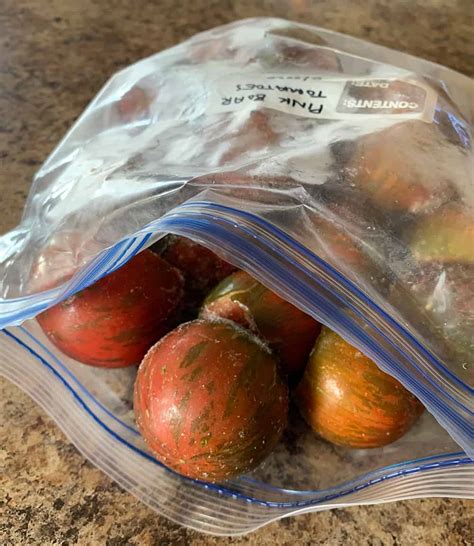
For whole tomatoes, simply wash them, remove the core, and place them on a baking sheet in a single layer until solid. Once frozen, transfer them to freezer-safe bags or containers. When you need them, run hot water over the frozen tomato, and the skin will slip right off, ready for sauces, soups, or stews. Alternatively, you can chop or purée tomatoes before freezing them in ice cube trays or larger containers, perfect for adding small bursts of flavor to winter dishes.
Dehydrating for Intense Flavor
Drying tomatoes concentrates their sugars and umami, resulting in intensely flavorful sun-dried tomatoes perfect for salads, pasta, omelets, or as a snack. This can be done with a food dehydrator or, if you live in a hot, dry climate, truly “sun-drying” them.

Slice tomatoes thinly (about 1/4 inch thick) and arrange them in a single layer on dehydrator trays. Follow your dehydrator’s instructions, typically drying at 125-135°F (52-57°C) for 8-12 hours or until leathery and pliable, not brittle. Store dried tomatoes in airtight containers. For an extra treat, pack them in olive oil with herbs once fully dried.
Crafting Sauces, Pastes, and Ketchup
Transforming your tomatoes into ready-to-use sauces, pastes, or even homemade ketchup is a fantastic way to preserve their essence. While some of these can be canned, they can also be frozen for ease and convenience, especially if you have a large freezer.
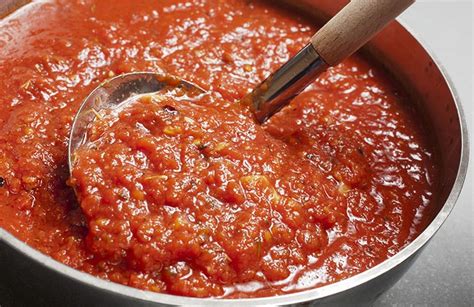
Roast or simmer large batches of tomatoes with onions, garlic, and herbs until reduced to your desired consistency. For a paste, reduce even further until very thick. Homemade ketchup offers a unique, fresh taste compared to store-bought varieties. Once cooled, ladle these creations into freezer-safe containers, leaving headspace for expansion, or into ice cube trays for smaller portions. These homemade staples are invaluable for quick weeknight meals.
Fermenting for Tangy Delights
Fermentation is an ancient preservation method that not only extends shelf life but also adds beneficial probiotics and complex flavors. While less common for whole tomatoes, fermenting salsas or even a simple lacto-fermented tomato paste can be a delicious experiment.
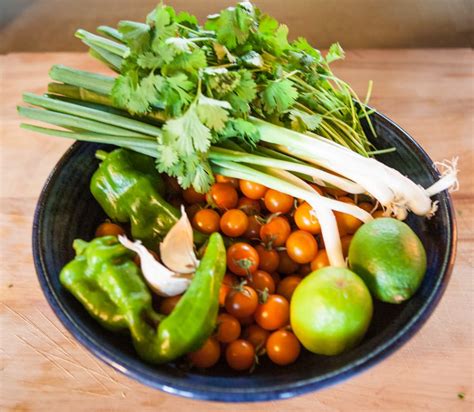
A fermented tomato salsa, made with chopped tomatoes, onions, peppers, cilantro, lime juice, and salt, can be allowed to ferment on the counter for a few days, developing a wonderful tang. Store in the refrigerator for several weeks. This method introduces a whole new dimension to your tomato preservation efforts and is surprisingly simple to execute with basic equipment.
Roasting and Storing in Oil
Roasting tomatoes brings out their natural sweetness and deepens their flavor profile dramatically. This method is excellent for cherry tomatoes or larger varieties cut into halves or quarters.
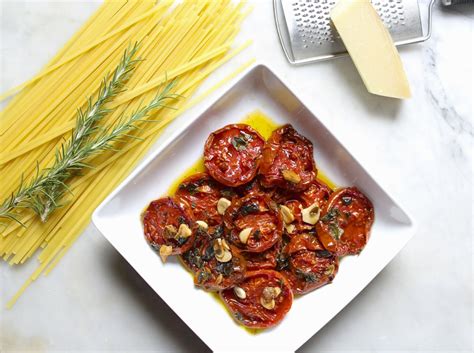
Toss tomatoes with olive oil, salt, pepper, and herbs like oregano or thyme. Roast in a moderately hot oven (around 350°F or 175°C) until softened, slightly caramelized, and collapsed. Once cooled, these intensely flavored tomatoes can be packed into jars and covered with olive oil for short-term refrigeration (a few weeks), or frozen in freezer bags without oil for longer storage. They are perfect for bruschetta, pasta sauces, or as a side dish.
Embrace the Diversity
With an abundant harvest, don’t feel limited to a single preservation method. Mix and match! Freeze some for quick use, dry others for a flavor punch, and make a big batch of sauce for comfort food. Experimentation is key to finding what works best for your family and your culinary style. Enjoy the bounty of your garden all year round, savoring the taste of summer long after the season has passed.