


Best family garden chores for young kids to learn real food value?

In an age where food often appears pre-packaged on supermarket shelves, many children grow up without a true understanding of where their meals originate. Involving young kids in family garden chores offers a profound and hands-on education, teaching them about the cycles of nature, the effort behind sustenance, and the incredible value of real food. It’s more than just a task; it’s a fundamental lesson in life and healthy eating.
The Seeds of Knowledge: Planting and Nurturing
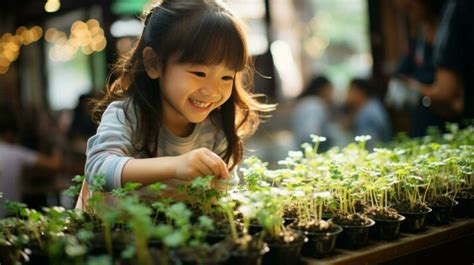
One of the most impactful chores for young children is planting. Whether it’s carefully placing a tiny seed into the soil or gently transplanting a seedling, this activity connects them directly to the beginning of the food journey. They learn that food doesn’t just appear; it starts small and requires care. Giving them their own small packet of seeds or a designated spot to plant teaches ownership and patience as they wait for germination.
Daily Care: Responsibility and Growth
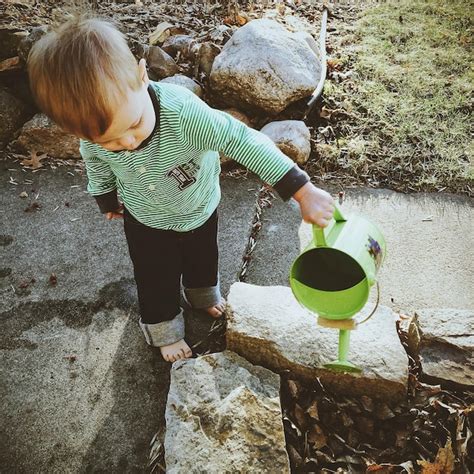
Once planted, plants need consistent attention. Watering is a perfect daily chore for even very young children. With a small watering can, they can take responsibility for hydrating their plants, observing how water is absorbed and how essential it is for life. Weeding, even if just pulling obvious large weeds, teaches them about competition for resources and how to help their plants thrive. These repetitive tasks build a sense of responsibility and dedication.
The Harvest: Understanding Abundance and Effort
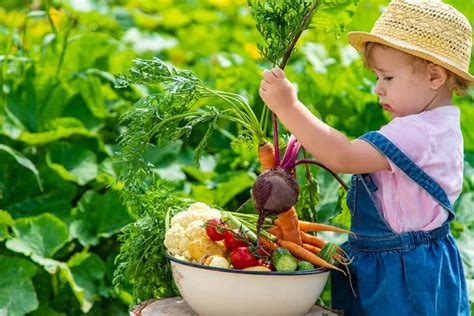
The most rewarding part of gardening for kids is often the harvest. Picking ripe tomatoes, snapping green beans, or digging up potatoes allows them to see the direct result of their hard work. This instant gratification reinforces the connection between effort and reward, showing them the tangible outcome of their care. They learn about seasonality and the joy of fresh, homegrown produce.
Post-Harvest: From Garden to Table
The lessons don’t stop at the harvest. Involving children in the post-harvest process further solidifies the food value chain. Simple tasks like washing freshly picked vegetables, helping shell peas, or tearing lettuce for a salad bridge the gap between the garden and the dinner plate. They see their efforts transform into a meal, enhancing their appreciation for every bite. Even composting kitchen scraps and garden waste can teach them about sustainability and closing the loop in nature’s cycle.

Beyond the Basics: Observing Nature’s Wonders
For slightly older children, or as they become more comfortable, introduce them to observing pollinators, identifying friendly insects versus pests, or even collecting seeds for the next season. These activities deepen their understanding of ecosystems and the intricate balance required for food production. Learning about seed saving, for instance, highlights the genetic continuity and the ability to grow food indefinitely from previous harvests.

Involving children in family garden chores is more than just helping hands; it’s an investment in their understanding of food, nature, and responsibility. It cultivates patience, fosters a healthy respect for the earth, and instills a lifelong appreciation for nutritious, real food. These shared experiences create lasting memories and lay the groundwork for a healthier, more sustainable future.