
How to adapt grandma’s tomato sauce recipe using late-season garden tomatoes for canning?
Embracing the Late Harvest: Adapting Your Family’s Signature Sauce
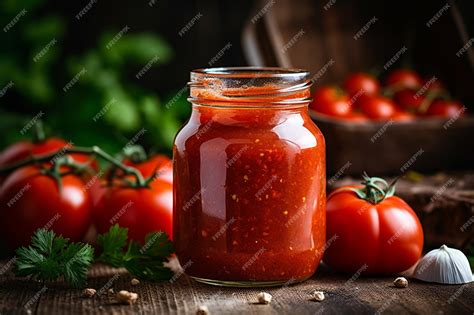
As the gardening season winds down, late-season tomatoes often present a beautiful challenge: a sudden glut of ripe (and sometimes not-so-ripe) fruit that demands preservation. What better way to honor your harvest and a culinary legacy than to adapt Grandma’s beloved tomato sauce recipe for canning? This guide will walk you through the nuances of using late-season tomatoes and adjusting a treasured family recipe to ensure both delicious flavor and safe, shelf-stable preservation.

The Unique Qualities of Late-Season Tomatoes
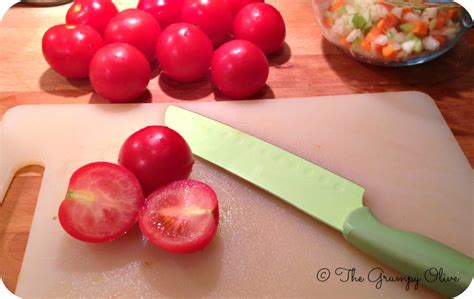
Late-season tomatoes, while still bursting with flavor, can differ from their mid-summer counterparts. You might encounter a mix of fully ripe, slightly under-ripe, or even a few over-ripe specimens. Their skins might be tougher, and their water content can vary. It’s crucial to select the best quality possible, discarding any bruised, moldy, or diseased fruit. The goal is to maximize their inherent sweetness and acidity while preparing them for a long simmer.
Deconstructing Grandma’s Beloved Recipe
Before you begin adapting, take a moment to understand the core of Grandma’s recipe. What makes it special? Is it the specific blend of Italian herbs, a hint of sugar, a secret ingredient like a bay leaf, or perhaps the method of slow simmering? Identify these key characteristics. Consider the desired texture – chunky or smooth – and how the original recipe achieves it. Your adaptation should strive to maintain these beloved elements while incorporating the necessary adjustments for canning safety and late-season produce.

Key Adaptations for Canning Safety and Flavor
1. Acidity is King for Canning
For safe water bath canning of tomato products, a specific pH level (typically below 4.6) is crucial to prevent the growth of harmful bacteria like Clostridium botulinum. Grandma’s recipe might not have considered this if it was only for fresh consumption. To ensure safety, you must add an acid. For every quart (or liter) of tomato sauce, add 2 tablespoons of bottled lemon juice or 1/2 teaspoon of citric acid. Do not use fresh lemon juice, as its acidity can vary. The slight acidity boost will not significantly alter the flavor profile but is vital for safety.
2. Managing Moisture and Concentration
Late-season tomatoes can sometimes be more watery or less meaty. To achieve Grandma’s desired sauce consistency, you might need to adjust your cooking time or method. Consider roasting some of your tomatoes before adding them to the pot; this concentrates their flavor and reduces moisture. Alternatively, a longer, slower simmer will naturally reduce the sauce to the perfect thickness. If your sauce is too thin even after extended cooking, a small amount of quality tomato paste can help deepen the flavor and thicken the consistency without affecting canning safety.
3. Enhancing Flavor Depth
Sometimes late-season tomatoes might lack the peak sweetness of mid-summer varieties. To boost flavor, try roasting a portion of your tomatoes with a little olive oil, garlic, and herbs before adding them to the main pot. This caramelization adds a wonderful depth. Ensure any fresh herbs are added towards the end of cooking to preserve their volatile oils, or use dried herbs if preferred for longer simmering.
Step-by-Step Guide to Adapting and Canning
Preparation
Wash your tomatoes thoroughly. Core them, and if desired (especially for smoother sauces or tougher skins), blanch them briefly in boiling water for 30-60 seconds, then immediately transfer to an ice bath. This makes peeling effortless. You can also remove seeds if a smoother texture is preferred, though many traditional recipes keep them for body.
The Cook-Down
Follow Grandma’s original recipe for combining ingredients and simmering. Adjust quantities as needed based on your tomato yield. If roasting, add those tomatoes after they’ve cooled slightly. Allow the sauce to simmer gently, stirring occasionally, until it reaches your desired consistency. Remember to add the bottled lemon juice or citric acid per quart of sauce during the final 10-15 minutes of cooking. Taste and adjust seasonings (salt, pepper, herbs) before adding the acid, as the acidity can affect how flavors present.
Filling and Processing
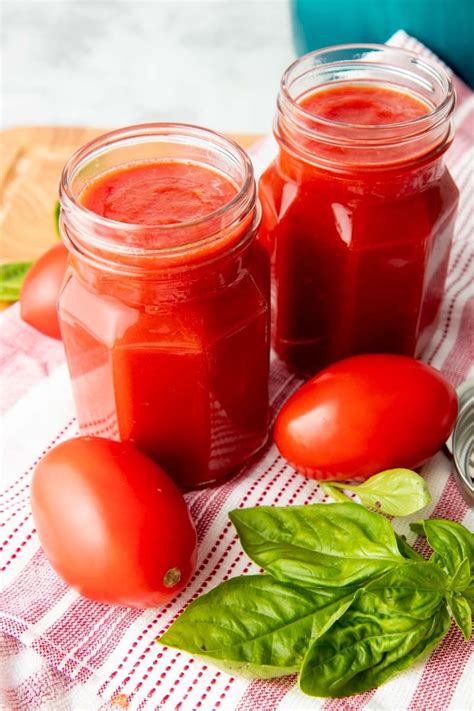
Ensure your canning jars are clean and hot. Ladle the hot sauce into the hot jars, leaving 1/2-inch headspace. Remove any air bubbles by running a non-metallic spatula or knife around the inside of the jar. Wipe the jar rims clean with a damp cloth, center lids, and apply screw bands finger-tight. Process jars in a boiling water canner for the time specified for your altitude and jar size (typically 35-45 minutes for pints, 40-50 minutes for quarts, after water returns to a boil). Refer to a reliable canning guide for precise timings.

Troubleshooting and Tips for Success
- Safety First: Always follow USDA or extension office canning guidelines for processing times and acidity. Deviating can compromise safety.
- Taste Before Acid: Make all flavor adjustments to your sauce before adding the required lemon juice or citric acid.
- Consistency: If your late-season tomatoes are very watery, consider straining off some liquid during the cooking process or reducing it longer to achieve the desired thickness.
- Labeling: Clearly label your jars with the contents and date.
- Storage: Store canned goods in a cool, dark place for optimal quality and shelf life.
Preserving a Legacy, One Jar at a Time
Adapting Grandma’s tomato sauce recipe for canning using your late-season garden bounty is more than just food preservation; it’s an act of love, tradition, and resourcefulness. Each jar you seal holds the essence of your garden, the warmth of family history, and the promise of delicious meals throughout the year. Enjoy the fruits of your labor and the enduring legacy of a cherished recipe.