
Simplest ways to preserve garden bounty for year-round real food?
Making Your Garden’s Goodness Last All Year
There’s nothing quite like the satisfaction of harvesting fresh produce from your own garden. The vibrant colors, the rich flavors, and the knowledge that you grew it yourself are unparalleled. However, with abundance often comes the challenge: how do you make this seasonal magic last beyond the growing season? The good news is that preserving your garden’s bounty doesn’t have to be complicated or require specialized equipment. Many simple, accessible methods can keep your pantry stocked with real, homegrown food year-round.
Freezing: The Easiest Way to Lock in Freshness
Freezing is arguably the simplest and least intimidating method for preserving most fruits and vegetables. It requires minimal preparation and retains a high percentage of nutrients. For most vegetables, a quick blanching step is recommended to stop enzyme action and preserve color, texture, and flavor. Think green beans, corn kernels, broccoli florets, and peas. Simply boil for a minute or two, then immediately plunge into ice water to cool before draining and freezing.
Fruits, especially berries, often don’t even need blanching. Just wash, dry, and spread them in a single layer on a baking sheet to freeze individually before transferring to freezer bags or containers. This prevents them from clumping together, making it easier to grab just what you need for smoothies, pies, or sauces. You can also freeze tomato sauce, pesto, or vegetable purees for quick meals later.

Drying: An Ancient Method for Concentrated Flavor
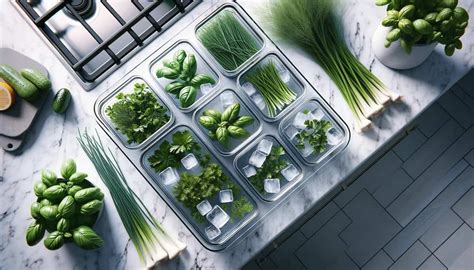
Drying is a time-honored technique that removes moisture, inhibiting spoilage and concentrating flavors. It’s particularly fantastic for herbs, creating potent ingredients for your winter cooking. Lay herbs like oregano, thyme, rosemary, or even basil on screens or hang them in bundles in a warm, dry, well-ventilated area away from direct sunlight. Once brittle, crumble them into jars.
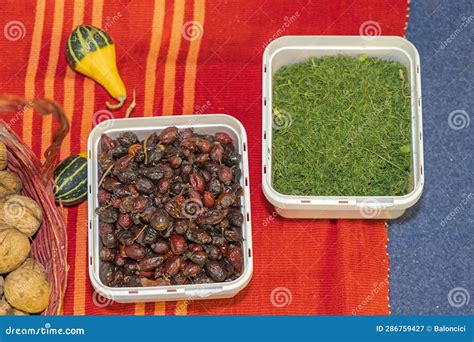
Many fruits and vegetables can also be dried. Sliced apples, pears, peaches, and even cherry tomatoes can be dehydrated in a food dehydrator, a low oven, or even in direct sunlight (if conditions are right). Dried produce makes for excellent snacks, additions to cereals, or ingredients for baked goods and stews. It’s a lightweight, shelf-stable way to enjoy your harvest.
Simple Canning & Pickling: Water Bath Basics
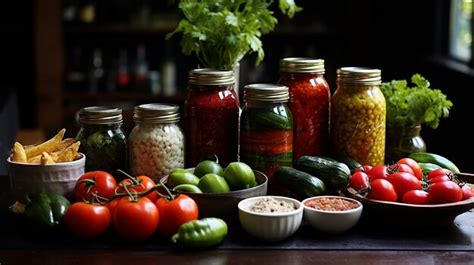
While pressure canning can be daunting, water bath canning is very accessible for high-acid foods. This method is perfect for jams, jellies, fruit butters, pickles, and most tomato products (often with added lemon juice or citric acid to ensure acidity). The process involves packing hot food into sterilized jars, sealing them, and then processing them in a boiling water bath for a specified time to create a vacuum seal.
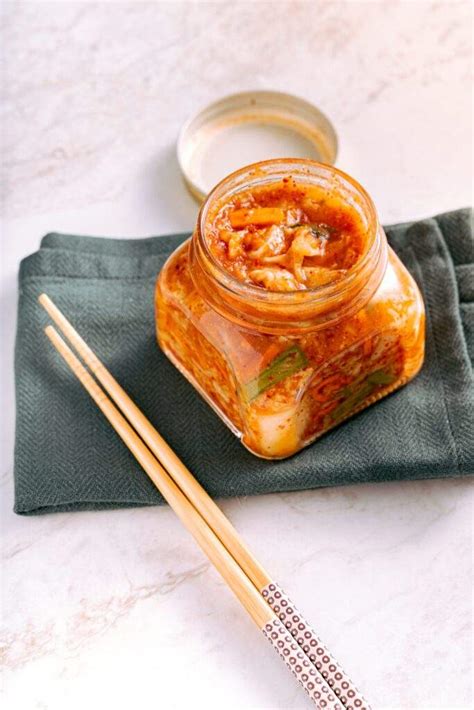
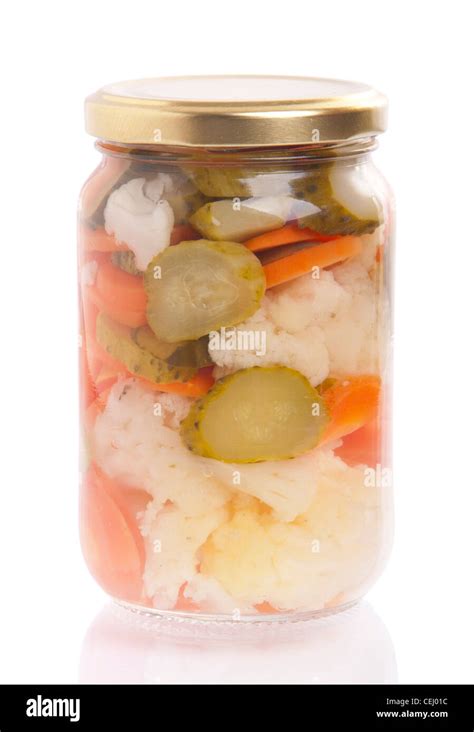
Don’t want to get into full canning? Refrigerator pickles are a fantastic entry point. These quick pickles don’t require canning, only refrigeration, and are ready to eat in a few days. They’re excellent for cucumbers, green beans, or even sliced onions, offering that tangy crunch without the long-term storage commitment.
Cool Storage & Root Cellaring: Nature’s Refrigerator
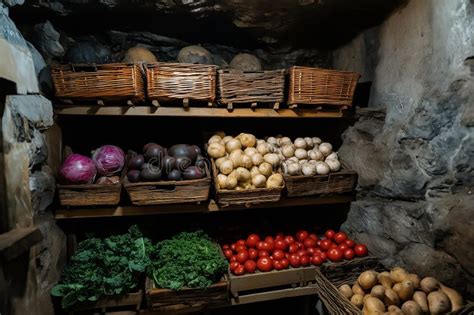
For certain crops, simply finding a cool, dark, and moderately humid spot can extend their life for months. This traditional method, often referred to as root cellaring, doesn’t necessarily require an actual underground cellar. A cool basement, an unheated pantry, or even a garage can work wonders for crops like potatoes, carrots (stored in sand or sawdust), onions, garlic, and winter squash.
The key is to understand the specific needs of each vegetable. Onions and garlic prefer dry, airy conditions, while root vegetables like carrots and beets benefit from a bit more humidity to prevent shriveling. Winter squash and pumpkins, with their tough skins, can often last for months simply stored in a cool, dry room.
Embracing the Harvest for Year-Round Nourishment
Preserving your garden’s bounty is more than just extending shelf life; it’s about connecting with your food, reducing waste, and enjoying nutritious, real ingredients long after the growing season has ended. By starting with one or two simple methods – perhaps freezing berries or drying herbs – you’ll quickly gain confidence. Each jar, bag, or dried piece of produce represents a small victory and a delicious promise of wholesome meals to come. Enjoy the fruits (and vegetables!) of your labor all year long.