




DIY chicken coop ventilation: What’s the best draft-free design?

Why Draft-Free Ventilation is Non-Negotiable for Your Flock
Proper ventilation is one of the most critical, yet often misunderstood, aspects of chicken coop design. While it might seem counterintuitive to prioritize airflow in cold weather, a well-ventilated coop is paramount for your flock’s health and comfort year-round. The key, however, lies in distinguishing between beneficial airflow and harmful drafts.
Without adequate ventilation, ammonia fumes from droppings build up, leading to respiratory issues and overall poor health. Stale, moist air also contributes to frostbite in winter and heat stress in summer. Conversely, direct drafts on roosting chickens can cause chills, respiratory illness, and discomfort. The goal of a draft-free design is to allow fresh air in and stale air out, without subjecting your birds to direct blasts of wind.
Understanding the Dangers: Ventilation vs. Drafts
The Risks of Poor Airflow
- Ammonia Buildup: Causes respiratory irritation, leading to chronic illness.
- Excess Moisture: Promotes bacterial growth, can lead to frostbite in cold weather, and provides a breeding ground for pests.
- Heat Stress: Stagnant hot air in summer can be deadly.
- Dust Accumulation: Chickens create a lot of dust, which needs to be exhausted.
What Constitutes a Harmful Draft?
A draft is essentially uncontrolled, direct airflow at chicken level, especially when they are roosting or sleeping. This can happen through cracks, gaps, or poorly placed vents that direct cold air straight onto the birds. Healthy ventilation, on the other hand, involves a controlled, upward movement of air, drawing stale air out and allowing fresh air to enter without creating a direct breeze on your flock.
Key Principles for Draft-Free Ventilation Design
The best draft-free designs utilize the principles of convection and strategic placement. Think of it as a chimney effect: warm, stale air naturally rises and exits at the highest points, while cooler, fresh air enters at lower points, then warms up and rises.
1. High-Low Airflow System
This is the cornerstone of draft-free ventilation. Your coop needs exhaust vents at the highest points (near the roofline) and intake vents at lower points, but importantly, above your chickens’ heads when they are on roosts. This ensures fresh air circulates through the coop and rises, pushing stale air out, without ever blowing directly on the birds.
2. Sufficient Opening Size and Hardware Cloth
Ventilation openings should be generous, but always covered with ½-inch hardware cloth to keep predators out. The total vent area should typically be about 1 square foot per chicken for optimal airflow, adjustable based on climate.
Best Draft-Free Design Features for DIY Coops
a. Soffit Vents and Eave Vents
These are excellent intake options. Installed under the eaves of the coop roof, they allow air to enter the attic space or upper wall cavity, then gently filter into the coop. Their protected location naturally prevents direct drafts and rain entry.
b. Ridge Vents
A continuous ridge vent along the peak of the coop roof is an ideal exhaust system. Hot, stale air naturally collects at the highest point and escapes through the ridge, creating a constant, passive outflow. This is one of the most efficient draft-free exhaust methods.
c. Gable Vents
Placed high up in the gable ends of a peaked roof, these vents serve as effective exhaust points. They work best in conjunction with lower intake vents to facilitate air movement. Ensure they are designed with overhangs or louvers to prevent rain and direct wind entry.
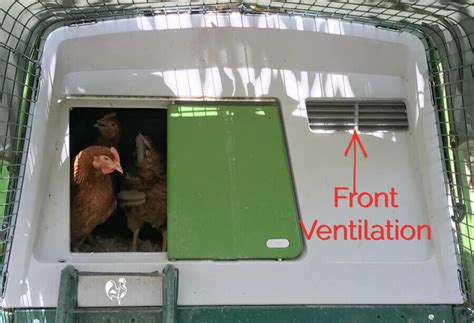
d. Strategically Placed Windows with Hardware Cloth
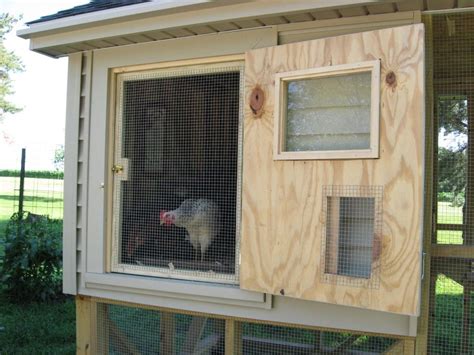
Windows can provide excellent ventilation, especially when designed for seasonal adjustment. Place them above roosting level and ensure they can be opened wide for summer and partially closed for cooler weather. Always cover them with predator-proof hardware cloth. For winter, consider adding a clear plexiglass or polycarbonate panel to allow sunlight in while still permitting some airflow through screened sections.
e. Adjustable Vents and Louvers
The ability to adjust your ventilation is crucial for adapting to changing weather. Louvered vents or hinged panels covered with hardware cloth allow you to control the amount of airflow. For example, in extreme cold, you might reduce intake slightly, while in summer, you’ll maximize all openings.
Construction Tips for a Truly Draft-Free Coop
- Seal Gaps: Pay attention to sealing any unintended gaps or cracks in the coop walls, floor, or around doors and windows. These are often the culprits for direct drafts at chicken level.
- Overhangs: Design generous roof overhangs. They protect your ventilation openings from direct rain and wind, making your vents more effective and draft-free.
- Insulation (Optional but Recommended): While not directly ventilation, insulation helps stabilize internal temperatures, making your ventilation system more efficient at removing moisture and regulating heat without needing excessive airflow that could create drafts.
- Roost Placement: Ensure roosts are not directly underneath or in front of any intake vents. Give your chickens an elevated, sheltered spot to sleep.
Monitoring Your Ventilation System
Even with the best design, it’s wise to monitor your coop’s air quality. Spend some time inside the coop: does it smell like ammonia? Is the air stuffy? Are there signs of condensation? On a breezy day, hold a ribbon or tissue near potential draft spots at chicken level to identify any unwanted direct airflow.
Creating a perfectly ventilated, draft-free chicken coop is a rewarding DIY project that pays dividends in the health and happiness of your flock. By understanding the principles of airflow and implementing smart design features, you can build a sanctuary that keeps your chickens comfortable and thriving year-round.