



When to harvest and preserve zucchini for winter storage?
Timing Your Zucchini Harvest for Optimal Freshness and Storage
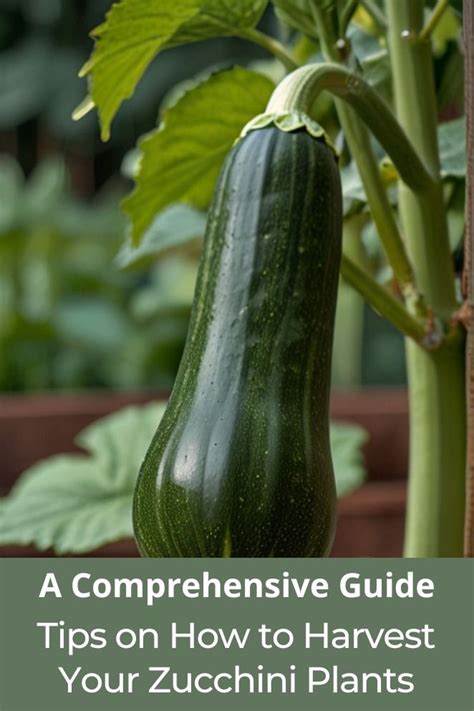
Zucchini plants are famously prolific, often leaving gardeners with an abundance of produce that needs a plan. Knowing when to harvest is crucial not only for enjoying them fresh but also for successful preservation. For prime eating quality, harvest zucchini when they are young and tender, typically 6-8 inches long. At this size, the skin is soft, the seeds are small, and the flavor is delicate. However, for some preservation methods, slightly larger, more mature zucchini can be used, provided they haven’t become woody or excessively seedy.
Check your plants daily during peak growing season, as zucchini can grow surprisingly fast. To harvest, use a sharp knife or pruners to cut the stem about an inch above the fruit. Be careful not to damage the plant, as consistent harvesting encourages more production. While larger zucchini (up to 12 inches) can be used for baking or shredding, avoid those that are oversized and feel soft or watery, as they will have poor texture and flavor when preserved.

Preparing Zucchini for Long-Term Preservation
Once harvested, your zucchini needs proper preparation before preservation. Begin by washing them thoroughly under cool running water to remove any dirt or debris. Pat them completely dry with a clean cloth. Depending on your chosen preservation method, you’ll then need to slice, dice, or shred the zucchini. Uniformity in size is key for even freezing, drying, or canning.
Freezing Zucchini: A Versatile Method
Freezing is one of the easiest and most versatile ways to preserve zucchini. It works well for slices, dices, or shredded zucchini, making it ready for soups, stews, casseroles, or baking. For best results and to prevent a watery texture, many recommend blanching zucchini before freezing. To blanch, boil slices or dices for 1-2 minutes, then immediately plunge them into ice water to stop the cooking process. Drain thoroughly, pat dry, and then spread on a baking sheet to flash freeze for a few hours before transferring to freezer bags or containers. This prevents pieces from clumping together. Shredded zucchini can often be frozen raw, squeezed to remove excess moisture, then packed into freezer bags, making it ideal for bread or muffins.

Dehydrating Zucchini: Lightweight and Space-Saving
Dehydrating zucchini is an excellent option for long-term storage, especially if you have limited freezer space. Slice zucchini thinly (about 1/8 to 1/4 inch thick) using a mandoline or sharp knife for even drying. Arrange slices in a single layer on dehydrator trays, ensuring good air circulation. Dry at 125°F (52°C) until completely brittle. Dehydrated zucchini can be rehydrated and added to soups, stews, or even ground into a powder for thickening sauces or adding nutrients to smoothies.
Canning Zucchini: For Pickles, Relishes, and More
Canning allows you to create shelf-stable zucchini products. While plain zucchini is a low-acid vegetable and requires a pressure canner for safe preservation, many recipes use vinegar to acidify zucchini for water bath canning. Popular options include pickled zucchini spears, zucchini relish, or even zucchini bread and butter pickles. Always follow tested canning recipes from reliable sources (like the USDA National Center for Home Food Preservation) to ensure safety and quality. Do not attempt to can plain zucchini in a water bath canner, as it poses a risk of botulism.

Cool Storage for Mature Winter Squash Varieties
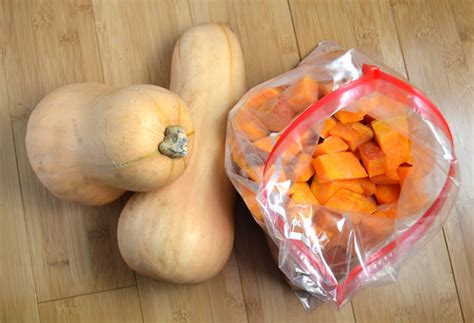
While the common green summer zucchini isn’t typically stored whole for extended periods, some hard-skinned winter squash varieties (which are botanically types of zucchini/squash) can be. If you allow some zucchini to mature fully on the vine until the skin is hard and tough, these can be cured. Curing involves leaving them in a warm, humid place for 7-10 days to further harden the skin and heal any minor blemishes. After curing, store them in a cool (50-55°F / 10-13°C), dark, and moderately humid place, like a root cellar or unheated basement. Ensure good air circulation, and check regularly for any signs of spoilage.
Maximizing Your Winter Zucchini Supply
Properly labeling all your preserved zucchini with the date and contents will be a huge help when organizing your pantry or freezer. Enjoying your zucchini harvest throughout the colder months is a rewarding experience that makes the effort of gardening even more worthwhile. Whether you prefer the convenience of freezing, the space-saving nature of dehydrating, or the delicious tang of canned pickles, there’s a preservation method that fits your needs. Experiment with different techniques to find your favorites and ensure you have a taste of summer all winter long.