


Best ways to preserve summer garden bounty for winter meals?
Embrace Your Summer Harvest All Year Long
The peak of summer brings with it an undeniable joy: a garden overflowing with vibrant, fresh produce. From juicy tomatoes and crisp cucumbers to fragrant herbs and sweet berries, the bounty is a testament to nature’s generosity. However, this abundance often presents a delightful challenge: how to enjoy it long after the growing season has ended? Preserving your summer garden bounty is not just about extending shelf life; it’s about locking in flavor, nutrients, and the warmth of summer to brighten your winter meals.
There are numerous effective methods to preserve your harvest, each suited to different types of produce and culinary needs. Whether you’re a seasoned preserver or just starting, these techniques will help you make the most of your garden’s gifts.
1. Freezing: The Quick and Versatile Method
Freezing is perhaps the easiest and most accessible preservation method, requiring minimal specialized equipment. It’s excellent for a wide variety of vegetables, fruits, and herbs, often retaining a high degree of their original flavor and nutritional value.
- Vegetables: Most vegetables benefit from blanching (briefly boiling, then rapidly cooling) before freezing. This stops enzyme action that can lead to loss of flavor, color, and texture. Think green beans, corn kernels, peas, and broccoli florets. Spread blanched veggies on a baking sheet to freeze individually, then transfer to freezer bags for long-term storage.
- Fruits: Berries, sliced peaches, and cherries freeze beautifully without blanching. Simply wash, dry thoroughly, spread on a tray to freeze, and then pack into containers.
- Herbs: Chop fresh herbs and freeze them in ice cube trays with a little water or olive oil. These herb cubes are perfect for adding directly to soups, stews, and sauces.
2. Canning: Sealing in Summer’s Essence
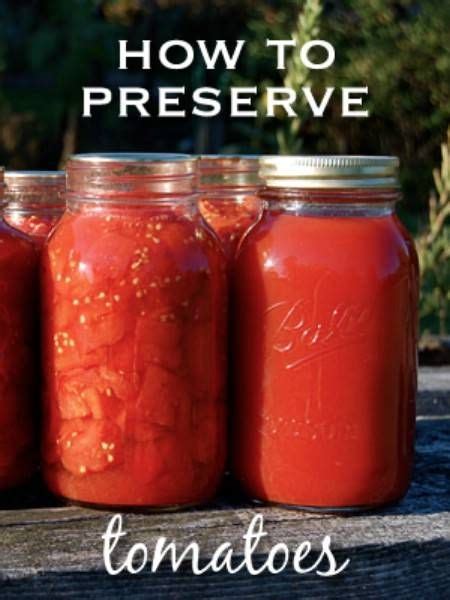
Canning involves sealing food in airtight jars, typically by heat processing to destroy microorganisms and create a vacuum seal. It’s a fantastic method for creating shelf-stable items like jams, pickles, sauces, and even plain vegetables.
- Water Bath Canning: Ideal for high-acid foods such as fruits, jams, jellies, pickles, and tomato products (with added acid). The jars are submerged in boiling water for a specific time.
- Pressure Canning: Essential for low-acid foods like green beans, corn, carrots, meats, and seafood. A pressure canner reaches higher temperatures than boiling water, which is necessary to safely preserve these items.
Always follow tested recipes and guidelines from reputable sources to ensure food safety when canning.

3. Dehydrating: Concentrating Flavors and Nutrients
Dehydration removes water from food, inhibiting microbial growth and enzyme activity. This results in lightweight, compact, and shelf-stable products that are intensely flavorful.
- Herbs: Dry your herbs for a fragrant addition to winter dishes. Hang bundles upside down or use a dehydrator.
- Fruits: Make fruit leathers, apple chips, or dried berries. These are excellent healthy snacks.
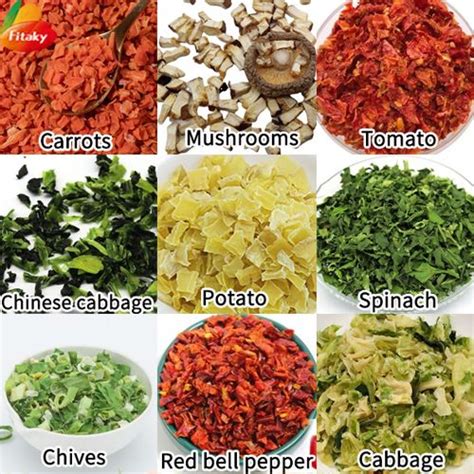
- Vegetables: Sun-dried tomatoes, mushroom slices, and kale chips are popular dehydrated vegetables that add depth to winter cooking.
A food dehydrator offers the most control, but a low oven setting or even air-drying (for some items) can also work.
4. Fermenting: The Ancient Art of Transformation
Fermentation is an age-old method that not only preserves food but also enhances its flavor and nutritional profile, often creating beneficial probiotics. This process involves controlled microbial growth that transforms sugars into acids, alcohol, or gases, preventing spoilage.
- Sauerkraut and Kimchi: Cabbage is transformed into tangy, probiotic-rich ferments.
- Pickles: Fermented dill pickles offer a different flavor dimension than their vinegar-brined counterparts.
- Kombucha and Kefir: While not strictly garden produce, these fermented drinks can utilize fruits and herbs from your garden for flavoring.
5. Root Cellaring & Cool Storage: Nature’s Refrigerator
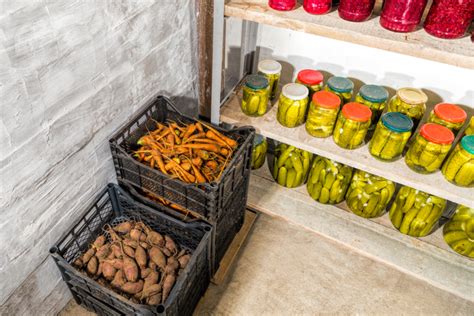
For certain root vegetables and fruits, simple cool and dark storage can extend their life significantly, mimicking a traditional root cellar. This method requires no energy and is perfect for larger quantities.
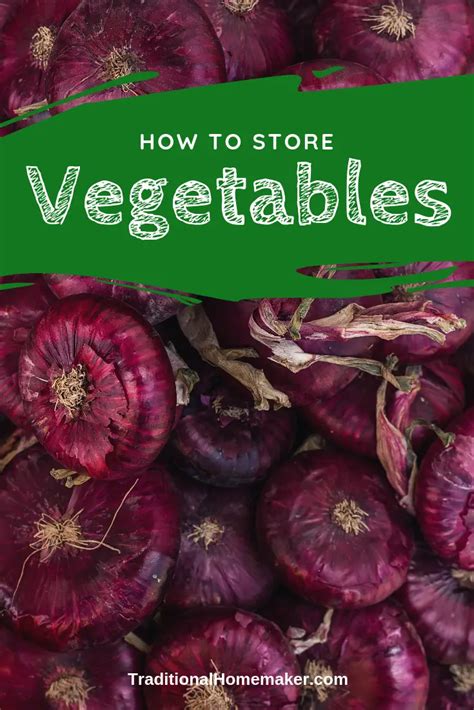
- Vegetables: Potatoes, carrots, parsnips, onions, garlic, and winter squash thrive in cool, dark, and often humid conditions.
- Fruits: Apples can be stored for months in similar conditions.
An unheated basement, garage, or even a buried container can serve as a makeshift cool storage area, provided conditions are right.

Enjoying the Fruits of Your Labor
By employing these diverse preservation techniques, you can transform your summer garden’s fleeting glory into a year-round pantry of wholesome, flavorful ingredients. Imagine pulling out a jar of homemade tomato sauce in January, or tossing frozen berries into a smoothie when the snow falls. Preserving your harvest is a rewarding endeavor that not only saves money but also connects you deeply to the cycles of nature and the joy of homegrown food. Start small, experiment with methods you’re comfortable with, and soon you’ll be enjoying the taste of summer long into the colder months.