


Preserve excess garden produce without canning equipment?
When your garden yields a glorious abundance, the joy can quickly turn into a challenge: how to preserve all that fresh goodness before it spoils? Traditional canning often requires special equipment, specific knowledge, and a significant time investment. But fear not, country living enthusiasts! There are numerous straightforward, equipment-light methods to extend the life of your harvest, ensuring you can enjoy your homegrown produce long after the growing season ends.
Freezing: The Quickest and Easiest Method
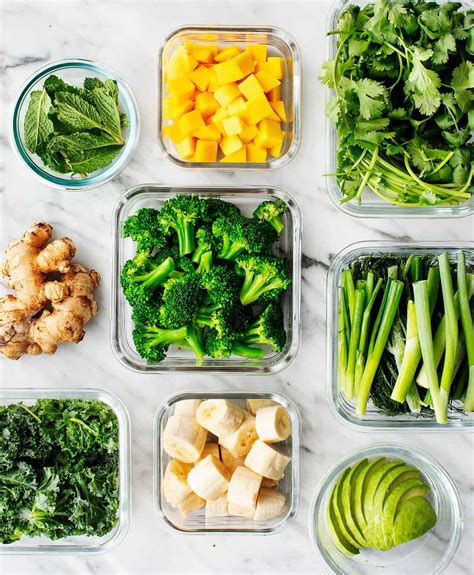
Freezing is perhaps the most straightforward way to preserve most fruits and many vegetables. For many items like berries, chopped peppers, or corn kernels, you can simply wash, dry, and spread them on a baking sheet to freeze individually before transferring them to freezer bags. This prevents clumping and makes it easier to use small portions.
For vegetables like green beans, broccoli, or peas, blanching first is crucial. A quick dip in boiling water followed by an ice bath stops enzyme action, preserving color, flavor, and nutrients. Pack blanched and cooled vegetables tightly into freezer-safe bags, removing as much air as possible before sealing and freezing.
Drying and Dehydration: Concentrating Flavors
Drying is an ancient preservation method that removes moisture, inhibiting spoilage. While an electric dehydrator offers consistent results, you can achieve similar outcomes using your oven on its lowest setting with the door slightly ajar, or even sun-drying in warm, low-humidity climates.
Herbs are perfect candidates for drying; simply hang small bunches upside down in a well-ventilated area until crisp. Fruits like apples, berries, and peaches can be sliced thin and dried to create healthy snacks. Tomatoes can be sun-dried or oven-dried for intense flavor. Ensure all produce is thoroughly dry before storing in airtight containers to prevent mold.
Fermentation: Probiotic Powerhouses
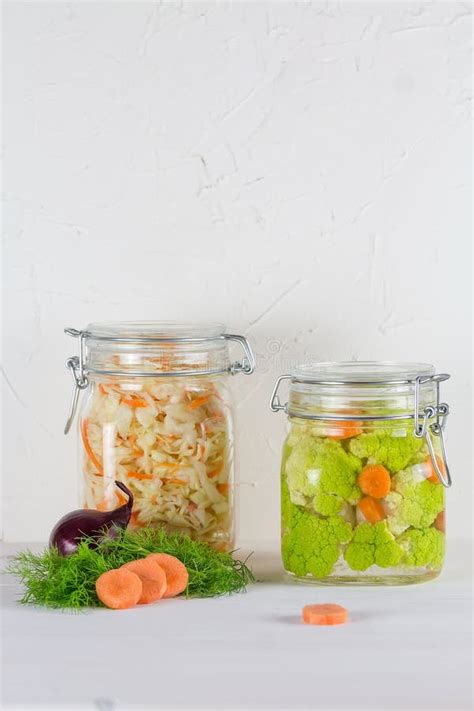
Lacto-fermentation transforms vegetables into delicious, probiotic-rich foods like sauerkraut, kimchi, and fermented pickles. This method uses beneficial bacteria to convert sugars into lactic acid, which acts as a natural preservative. All you truly need are vegetables, salt, water, and clean jars.
For basic sauerkraut, finely shred cabbage, massage it with salt until brine forms, pack it tightly into a jar, and weigh it down so it stays submerged under its own liquid. Cover loosely and allow it to ferment at room temperature for a week or more. The result is a tangy, crunchy condiment that keeps for months in the refrigerator.
Root Cellaring and Cool Storage: Nature’s Refrigerator
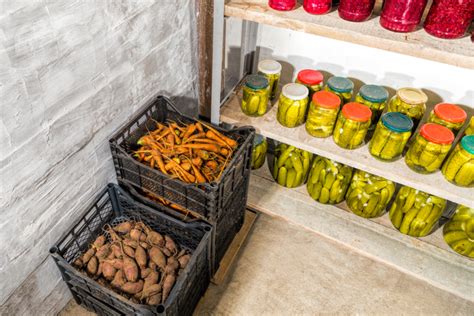
If you have a cool, dark, and moderately humid space – whether a dedicated root cellar, an unheated basement corner, or even a buried garbage can – you can store many root vegetables, squash, and apples for extended periods. Ideal conditions vary by produce type, but generally, temperatures between 35-50°F (1-10°C) with 80-95% humidity work well.
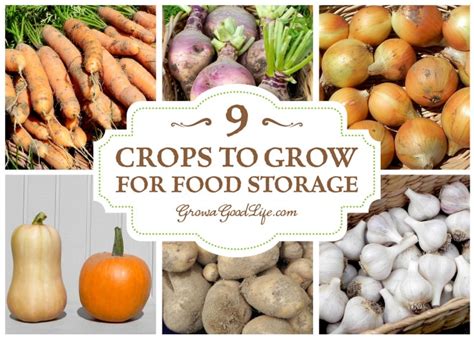
Potatoes, carrots, beets, and turnips can be stored in sand or sawdust to maintain moisture and prevent sprouting. Onions and garlic prefer slightly drier, cooler conditions and can be braided or hung in mesh bags. Hard-skinned squash like butternut and acorn will last for months in a cool, dry spot.

Oil Infusions and Vinegar Preservations
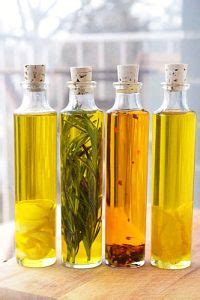
While fresh herbs and garlic in oil can pose botulism risks if not handled with extreme care and refrigerated immediately, using dried herbs or making small, refrigerated batches for immediate use is safer. Infused vinegars, however, are a wonderful way to capture the essence of herbs and certain fruits.
Simply add clean, dry herbs (like rosemary, thyme, or oregano) or chopped fruits (such as raspberries or lemon peel) to a bottle of good quality vinegar. Let it steep for a few weeks in a cool, dark place, then strain and use in dressings, marinades, or as a flavorful splash in cooking. Refrigerator pickles, made with a vinegar brine and stored in the fridge, offer a quick way to enjoy cucumbers, beans, or peppers for a few weeks without full canning.
Preserving your garden’s bounty doesn’t have to be daunting or require an expensive setup. With a little creativity and a few simple techniques, you can enjoy the fruits (and vegetables!) of your labor year-round, savoring the taste of summer even in the depths of winter. Experiment with these methods to find what works best for your produce and your lifestyle.