




Best ways to adapt a summer harvest recipe for winter pantry ingredients?

The bounty of summer harvests brings a joyous array of fresh, vibrant ingredients to our kitchens. While we revel in peak-season produce, the colder months often leave us yearning for those bright flavors. The good news is, with a little creativity and understanding of your winter pantry, you can easily adapt your favorite summer recipes to suit the season.
Understanding Your Winter Pantry Arsenal
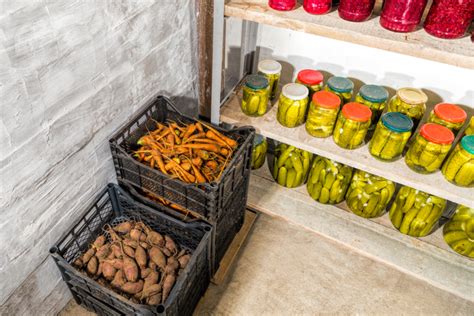
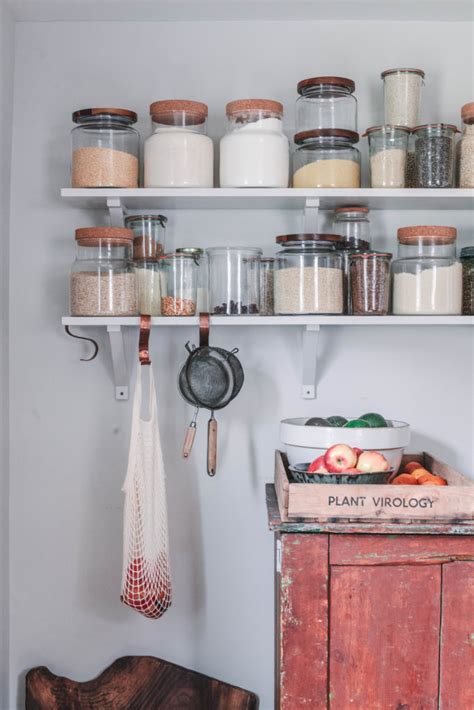
A successful transition from summer to winter cooking begins with knowing your pantry. Winter staples include a treasure trove of canned goods (tomatoes, beans, corn), frozen vegetables and fruits, dried herbs and spices, grains, and root vegetables that store well. These ingredients are not just substitutes; they are culinary powerhouses in their own right, offering convenience and concentrated flavor.
Smart Ingredient Swaps: From Fresh to Preserved
The most direct way to adapt a recipe is through smart ingredient substitution. Think about the role each summer ingredient plays in the dish and find a winter equivalent that offers a similar texture, flavor profile, or acidity.
- Fresh Tomatoes: Swap for canned diced tomatoes, crushed tomatoes, passata, or even sun-dried tomatoes rehydrated in warm water. For a fresh burst, a squeeze of lemon juice or a dash of good quality vinegar can often mimic summer acidity.
- Fresh Herbs: While fresh herbs are ideal, dried versions (use about 1/3 of the fresh amount) or frozen herb cubes (often available at supermarkets, or made at home in ice cube trays) work wonders. Heartier herbs like rosemary, thyme, and oregano dry particularly well.
- Summer Vegetables (e.g., Zucchini, Bell Peppers, Corn): Replace with frozen equivalents, canned versions (rinsed well), or hardier winter vegetables like carrots, parsnips, or winter squash, adjusting cooking times accordingly. For example, a summer zucchini pasta could become a hearty roasted root vegetable pasta.
- Berries and Stone Fruits: Utilize frozen berries, dried fruits (like apricots, cranberries), or high-quality fruit preserves and jams. These add sweetness and a concentrated fruit flavor to desserts, sauces, or even savory dishes.

Adjusting Flavor Profiles and Cooking Methods
Summer dishes often feature quick cooking methods and bright, fresh flavors. Winter adaptations often benefit from longer, slower cooking methods that tenderize ingredients and deepen flavors. Think stews, braises, and roasts.
- Embrace Warming Spices: Introduce spices like cinnamon, nutmeg, cloves, allspice, ginger, and star anise to add warmth and complexity, especially to fruit-based dishes or slow-cooked meats.
- Build Depth: Use robust broths, red wine, balsamic vinegar, or a touch of miso paste to add umami and richness that might be less prominent without fresh ingredients.
- Acid Balance: Since canned and frozen ingredients can sometimes lack the vibrant acidity of fresh produce, don’t shy away from finishing dishes with a splash of fresh lemon juice or a good quality vinegar to brighten flavors.

Leveraging Preserved Goodness
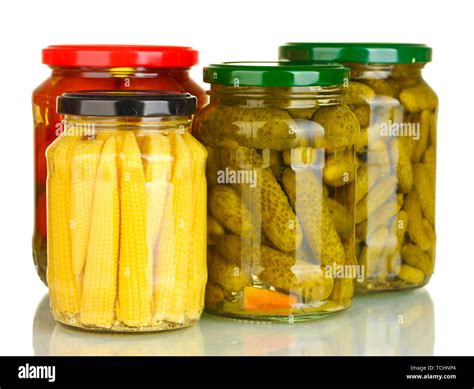
If you’re a home preserver, your efforts truly shine in winter. Home-canned tomatoes, pickled vegetables, frozen pesto, or fruit purees are invaluable assets for adapting recipes. They carry the concentrated essence of summer, ready to be deployed.
Considering Texture and Consistency
When swapping fresh ingredients for their preserved counterparts, be mindful of changes in texture and water content. Frozen vegetables often release more water, which might require reducing liquids in a soup or sauce. Canned beans and vegetables are already cooked and softer, so add them later in the cooking process to prevent mushiness.
Conclusion: A Year-Round Culinary Adventure
Adapting summer harvest recipes for winter is not about compromising, but about celebrating the versatility of ingredients and expanding your culinary repertoire. By understanding your pantry, making smart swaps, and adjusting your cooking approach, you can enjoy the spirit of summer in comforting, nourishing dishes all year long. Get creative, experiment, and let your winter pantry inspire delicious new traditions!