



Best methods for safely preserving a large summer tomato harvest?
Embracing the Abundance: Making Your Tomato Harvest Last
There’s nothing quite like the taste of a sun-ripened summer tomato, bursting with sweetness and acidity. But when your garden or local market delivers an overwhelming bounty, the question quickly shifts from “how many can I eat?” to “how can I save them all?” Preserving a large tomato harvest safely ensures you can savor that summer flavor long after the season ends. This guide explores the most effective and secure methods for turning your fleeting bounty into year-round culinary delights.
The Golden Standard: Canning Tomatoes
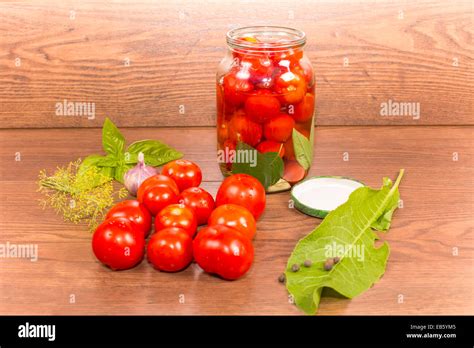
Canning is arguably the most traditional and rewarding method for preserving tomatoes. It allows you to store them at room temperature for extended periods, ready to be used in sauces, stews, and chilis. Due to their low acidity (compared to other fruits), tomatoes require careful acidification to be safely canned using a boiling water bath.
Boiling Water Bath Canning: The Essentials
- Whole or Halved Tomatoes: Peel and core tomatoes, then pack them into jars, adding a teaspoon of bottled lemon juice or 1/4 teaspoon of citric acid per pint jar (double for quarts). This crucial step raises the acidity to a safe level.
- Crushed or Diced Tomatoes: Cook tomatoes down slightly to release juices, then pack hot into jars, again adding lemon juice or citric acid.
- Tomato Sauce or Purée: Cook tomatoes down to desired consistency. For plain sauce, add acid as above. For seasoned sauces, ensure the recipe is tested and approved for canning.
Always use new lids and follow tested recipes from reliable sources like the USDA National Center for Home Food Preservation to ensure safety and quality.
Simple & Convenient: Freezing Tomatoes
For a quicker, less labor-intensive approach, freezing is an excellent option that preserves much of the fresh flavor and nutrients. Frozen tomatoes are perfect for cooking, though their texture will soften, making them less ideal for fresh salads.
Multiple Freezing Techniques
- Whole Tomatoes: Wash and core tomatoes. Flash freeze them on a baking sheet until solid, then transfer to freezer bags. The skins will slip off easily once thawed.
- Diced or Chopped Tomatoes: Blanch, peel, and chop tomatoes. Pack into freezer-safe bags or containers, leaving headspace.
- Tomato Purée or Sauce: Cook tomatoes down, purée, and then freeze in portions (e.g., ice cube trays for small amounts, or larger containers).
Freezing maintains excellent flavor and makes future cooking a breeze. Just remember to use them within 8-12 months for best quality.
Intense Flavor: Drying Tomatoes
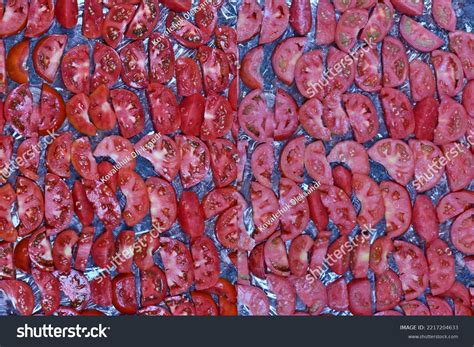
Drying tomatoes concentrates their sugars and flavors, creating a wonderfully chewy, intense ingredient perfect for antipasto, salads, or rehydrating in dishes. This can be done in a dehydrator or, if you have the right conditions, in the sun.
Drying Methods
- Dehydrator: Slice tomatoes 1/4 to 1/2 inch thick. Arrange in a single layer on dehydrator trays and dry at 135°F (57°C) until leathery and pliable, but not brittle.
- Oven Drying: A low oven setting (around 175°F / 80°C) with the door slightly ajar can also work, though it’s slower and uses more energy.
- Sun Drying: Requires several consecutive days of hot (above 85°F / 30°C) and dry weather. Slice tomatoes, place on screens, and cover with netting to protect from insects. Bring indoors at night to prevent rehydration from dew.
Store dried tomatoes in airtight containers in a cool, dark place, or freeze them for longer storage, especially if you plan to pack them in oil (which requires refrigeration).

Beyond the Basics: Other Preservation Ideas
While canning, freezing, and drying are staples, consider these creative ways to use up your bounty:
- Tomato Paste: Cook down a huge batch of tomatoes to a very thick consistency. Spread thinly on baking sheets and finish drying in a low oven or dehydrator for concentrated paste.
- Roasted Tomatoes: Halve or quarter tomatoes, toss with olive oil, salt, and herbs, then roast until slightly caramelized. Freeze these for adding depth to winter dishes.
- Tomato Jam or Chutney: These savory-sweet condiments are excellent with cheeses or meats and can be safely canned with tested recipes.
No matter which method you choose, always prioritize food safety. Use clean equipment, follow recommended processing times, and check seals diligently. Your efforts will be rewarded with a pantry full of delicious, homegrown goodness, bringing the taste of summer to your table all year long.