


How to best preserve fresh garden bounty using traditional homemade recipes?
Embracing the Harvest: Time-Honored Preservation Techniques
The joy of a bountiful garden harvest is unparalleled, but knowing how to best preserve that freshness for year-round enjoyment is an art passed down through generations. Rather than letting excess produce go to waste, traditional homemade recipes offer delicious and sustainable ways to capture the peak flavors of your fruits and vegetables. These methods not only reduce food waste but also provide a pantry full of wholesome, additive-free ingredients and delightful treats.
Canning: Jams, Jellies, and Sauces
Canning is perhaps one of the most beloved traditional preservation methods, transforming delicate fruits into luscious jams, vibrant jellies, and hearty sauces. From strawberry jam to marinara sauce made with vine-ripened tomatoes, canning seals in flavor and nutrients, making summer’s bounty accessible even in the depths of winter. The process involves sterilizing jars, cooking ingredients, filling hot jars, and then processing them in a water bath or pressure canner to create a vacuum seal.
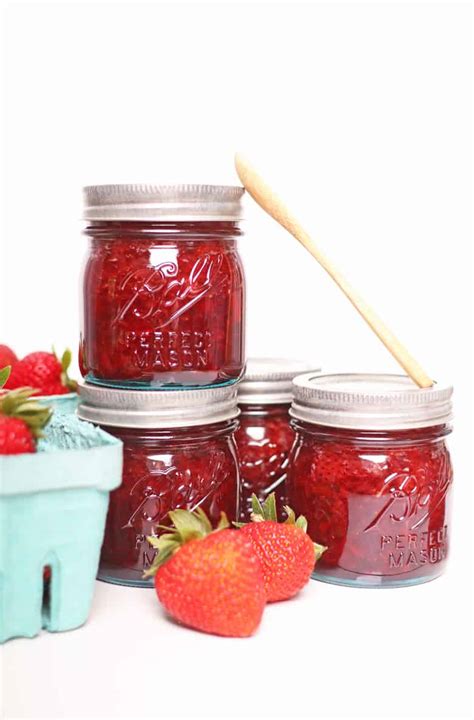
Key to successful canning is following tested recipes and ensuring proper acidity for food safety, especially when dealing with low-acid foods like most vegetables. Always use fresh, high-quality ingredients and appropriate canning equipment.
Pickling and Fermentation: Tangy Delights
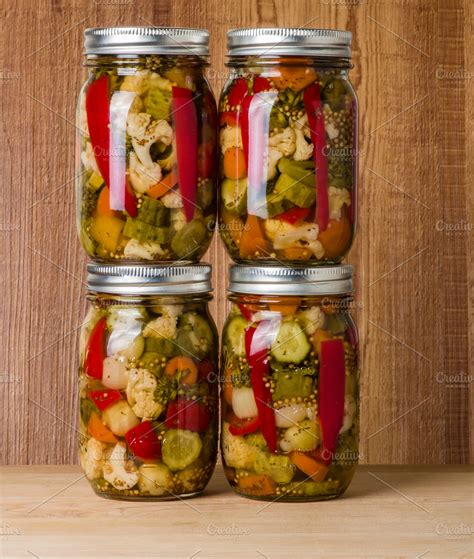
Pickling, whether through vinegar brining or lactic acid fermentation, is a fantastic way to preserve vegetables while adding a delightful tangy flavor. Cucumbers become crisp pickles, cabbage transforms into sauerkraut, and various vegetables can be turned into spicy relishes or dilly beans. Fermentation, in particular, not only preserves but also enhances the nutritional profile with beneficial probiotics.
For vinegar pickles, a brine of vinegar, water, salt, and spices is heated and poured over prepared vegetables in sterile jars. For fermented foods like sauerkraut or kimchi, vegetables are typically massaged with salt to draw out moisture, then left to ferment in an anaerobic environment over several weeks.
Drying and Dehydration: Concentrated Flavors
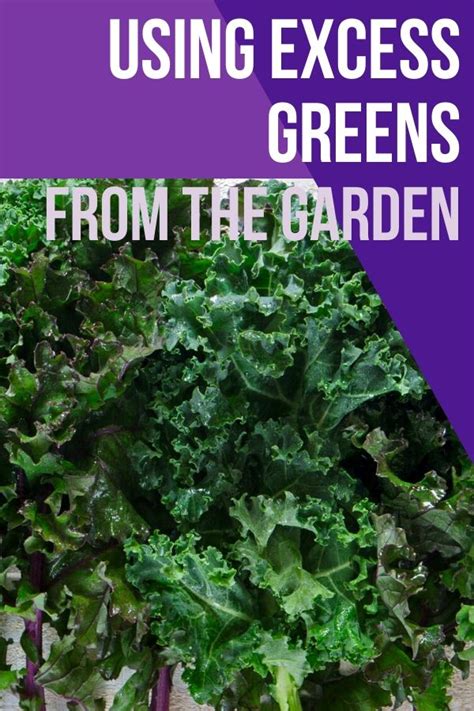
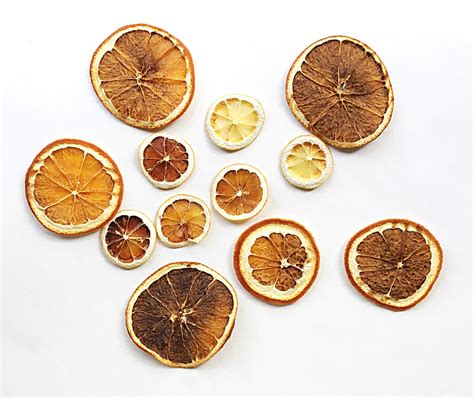
Drying is one of the oldest and simplest preservation methods, removing moisture to inhibit microbial growth. This technique is perfect for herbs, fruit leathers, sun-dried tomatoes, and even some vegetables like kale or mushrooms. A food dehydrator offers the most consistent results, but fruits and herbs can also be dried in a low oven or even air-dried in well-ventilated spaces.
Drying concentrates flavors, making dried fruits intensely sweet and dried herbs powerfully aromatic. Store dried goods in airtight containers in a cool, dark place to maintain their quality for many months.
Freezing: Simple and Versatile
Freezing is arguably the easiest and quickest way to preserve many garden vegetables and fruits, largely retaining their fresh taste, texture, and nutritional value. Most vegetables benefit from blanching (briefly boiling then rapidly cooling) before freezing to halt enzyme action that can cause spoilage and flavor changes. Fruits, on the other hand, can often be frozen raw, either whole, sliced, or pureed.
Proper packaging in airtight freezer bags or containers is crucial to prevent freezer burn and maintain quality. Label everything clearly with the date to keep track of your frozen bounty.

Root Cellaring and Cool Storage
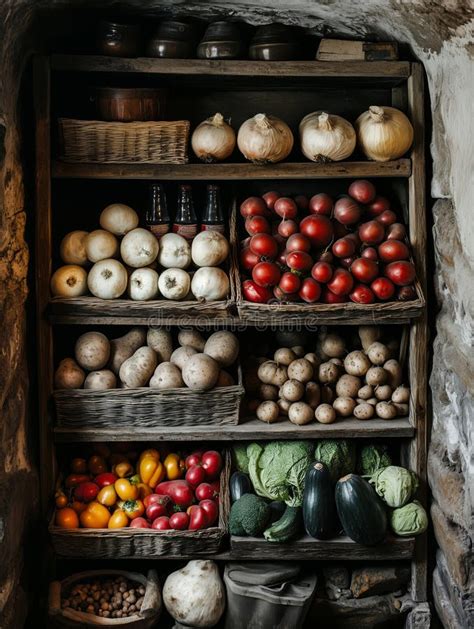
While not involving recipes in the traditional sense, root cellaring or simply storing certain produce in a cool, dark, and humid environment is a traditional method of extending shelf life. Root vegetables like carrots, potatoes, onions, and winter squash can thrive for months under the right conditions, often in basements, sheds, or specially constructed root cellars. This method keeps produce in its natural, unprocessed state.
Tips for Success with Traditional Preservation
- Start Fresh: Always use the freshest, highest quality produce at its peak ripeness.
- Hygiene is Key: Sterilize all equipment, jars, and work surfaces to prevent contamination.
- Follow Tested Recipes: Especially for canning, reliable recipes ensure both safety and delicious results.
- Label and Date: Clearly mark all preserved goods with their contents and date of preservation.
- Store Properly: Keep preserved foods in a cool, dark place away from direct sunlight and extreme temperature changes.
Savoring Your Garden’s Legacy
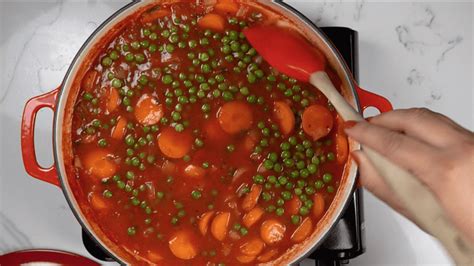
Preserving your garden’s bounty through traditional homemade recipes is a deeply satisfying endeavor. It connects you to culinary traditions, reduces waste, and fills your pantry with wholesome, homemade goodness. Whether you’re simmering fruit into jam, fermenting vegetables into tangy pickles, or simply freezing peas for later, each preserved jar or bag is a taste of your garden’s enduring legacy, ready to be enjoyed throughout the year.