



Best homemade compost tea recipe for boosting garden soil fertility?

Unlock Your Garden’s Potential with Homemade Compost Tea
Compost tea is a liquid concentrate teeming with beneficial microorganisms extracted from compost. It’s a fantastic organic solution to nourish your garden, enhance soil structure, and protect plants from diseases. Making your own is not only cost-effective but also empowers you to control the quality of nutrients going into your soil.

Why Compost Tea is a Game Changer for Your Garden
Unlike synthetic fertilizers that often provide a quick burst of nutrients but can degrade soil health over time, compost tea works by introducing a diverse microbial community to your soil and plants. These microscopic workers break down organic matter, making nutrients readily available for plant uptake, improving water retention, and even suppressing pathogens. The result? More vibrant, resilient plants and a thriving ecosystem beneath the surface.
Key Benefits:
- Boosts Nutrient Availability: Microbes convert nutrients into plant-usable forms.
- Enhances Soil Structure: Improves aeration and water retention.
- Suppresses Diseases: Beneficial microbes outcompete harmful pathogens.
- Promotes Plant Growth: Leads to stronger roots, healthier foliage, and better yields.
- Reduces Chemical Dependence: A truly organic and sustainable solution.
The Ultimate Homemade Compost Tea Recipe
This recipe focuses on creating an aerated compost tea (ACT), which uses an air pump to brew the mixture, significantly multiplying beneficial aerobic microbes. This ensures a potent, oxygen-rich brew.
What You’ll Need:
- 5-Gallon Bucket: Clean, food-grade bucket.
- Non-Chlorinated Water: Approximately 4 gallons (rainwater or tap water left out for 24 hours to off-gas chlorine).
- Active Compost: 1-2 cups of high-quality, finished compost (vermicompost is excellent!).
- Brewing Bag/Porous Sack: For holding the compost (old pantyhose, paint strainer bag, or burlap).
- Molasses (Unsulfured): 1-2 tablespoons (food source for bacteria).
- Fish Hydrolysate/Liquid Kelp: 1-2 tablespoons (food source for fungi and micronutrients).
- Air Pump and Air Stone: An aquarium pump with tubing and an air stone (for aeration).
Step-by-Step Brewing Instructions:
- Prepare Your Water: Fill your 5-gallon bucket with 4 gallons of non-chlorinated water.
- Add Compost to Bag: Place 1-2 cups of your best compost into the brewing bag. Tie it securely.
- Submerge Compost: Suspend the compost bag in the water, ensuring it’s fully submerged.
- Add Microbial Food: Stir in the molasses and fish hydrolysate/liquid kelp. These provide the essential sugars and nutrients for the microbes to multiply rapidly.
- Set Up Aeration: Place the air stone into the bucket, ensuring it reaches near the bottom. Connect it to your air pump and turn the pump on. You should see a vigorous bubbling action.
- Brew: Allow the tea to brew for 24-48 hours. The ideal brewing temperature is 60-70°F (15-21°C). Do not exceed 72 hours, as the tea can start to become anaerobic and less beneficial. The water will become dark and earthy-smelling.
- Strain and Use: Once brewed, remove the compost bag and air stone. The spent compost can be returned to your compost pile or added directly to garden beds.
How to Use Your Homemade Compost Tea
Compost tea is best used immediately after brewing to ensure the highest concentration of live microorganisms. You can apply it as a soil drench or a foliar spray.
Application Methods:
- Soil Drench: Dilute the brewed tea with non-chlorinated water at a ratio of 1:4 (1 part tea to 4 parts water) or even up to 1:10 for general application. Pour it around the base of plants, directly onto the soil. This enriches the root zone and improves soil structure.
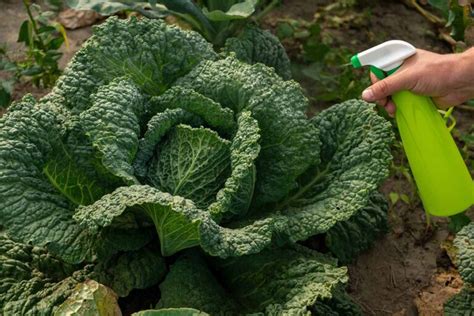
- Foliar Spray: For foliar applications, dilute the tea 1:1 with non-chlorinated water. Strain it through a fine mesh to prevent clogging your sprayer. Spray generously on plant leaves (top and bottom) in the early morning or late evening to avoid sun scorching and allow microbes to establish before drying. This can help prevent fungal diseases and provide direct nutrient uptake.
Frequency:
Apply compost tea every 2-4 weeks throughout the growing season for optimal results. You’ll notice a significant improvement in plant vitality, disease resistance, and overall garden health.
Tips for Best Results
- Use Quality Compost: The quality of your compost directly impacts the quality of your tea. Use well-rotted, actively working compost.
- Maintain Aeration: Consistent aeration is crucial to prevent the tea from becoming anaerobic, which can produce harmful microbes.
- Avoid Chlorine: Chlorine kills beneficial microorganisms, so always use non-chlorinated water.
- Brew in Shade: Keep your brewing bucket out of direct sunlight.
- Observe Your Plants: Pay attention to how your plants respond and adjust frequency as needed.
By incorporating homemade compost tea into your gardening routine, you’re not just feeding your plants; you’re nurturing the very foundation of your garden’s health – its soil. Enjoy the rewarding experience of watching your garden flourish naturally!