



How to start a low-cost organic vegetable garden for real food?
Embrace the Joys of Budget-Friendly Organic Gardening
Dreaming of a garden overflowing with fresh, chemical-free produce, but worried about the cost and complexity? Starting a low-cost organic vegetable garden is not only achievable but also incredibly rewarding. It’s a journey towards self-sufficiency, healthier eating, and a deeper connection to nature, proving that “real food” doesn’t have to come with a hefty price tag.
This guide will walk you through the essential steps to cultivate a thriving organic garden on a budget, focusing on sustainable practices that benefit both your wallet and the planet. Get ready to transform a patch of your yard into a productive haven for nourishing, delicious vegetables.
Why Go Organic and Low-Cost?
Opting for an organic approach means rejecting synthetic pesticides, herbicides, and fertilizers in favor of natural methods that foster soil health and biodiversity. This results in healthier plants, safer food, and a more resilient ecosystem. Combining this with a low-cost philosophy ensures that fresh, nutrient-dense food is accessible to everyone, regardless of their budget. It’s about smart choices, repurposing, and leveraging nature’s own resources.
Phase 1: Planning Your Garden – Site and Design
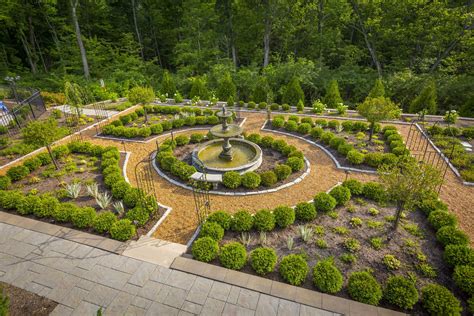
Careful planning is the first step to a successful, low-cost garden. You don’t need a sprawling farm; even a small balcony can yield impressive results. Start by observing your space:
- Sunlight: Most vegetables require at least 6-8 hours of direct sunlight per day. Identify the sunniest spots in your yard or on your patio.
- Water Access: Plan your garden close to a water source to minimize effort and potential costs associated with long hoses or elaborate irrigation systems. Rain barrels are an excellent low-cost solution for collecting free water.
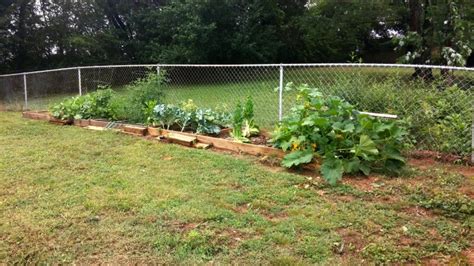
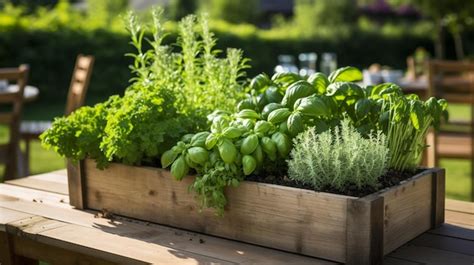
- Space: Start small! A 4×8 foot raised bed or a few large containers can produce a surprising amount of food for a single person or a small family. Don’t overcommit in your first season.
Phase 2: Building Healthy, Living Soil on a Budget
The foundation of any organic garden is healthy soil. Rich, living soil provides all the nutrients your plants need naturally, reducing the need for expensive amendments. Here’s how to build it on a budget:
- Compost: This is your number one free soil builder. Start a compost pile using kitchen scraps (no meat or dairy), yard waste (leaves, grass clippings), and untreated wood chips. Finished compost enriches soil structure, fertility, and microbial life.
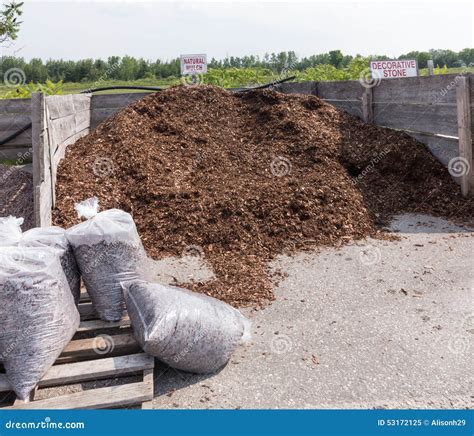
- Mulch: Apply a thick layer of organic mulch (straw, leaves, wood chips) around your plants. Mulch suppresses weeds, conserves moisture (reducing watering needs), moderates soil temperature, and breaks down over time to add organic matter to the soil. Source free mulch from local arborists or fallen leaves.
- Cover Crops: In off-seasons, plant cover crops like clover or vetch. They protect the soil from erosion, suppress weeds, add organic matter, and some even fix nitrogen into the soil.
Phase 3: Choosing and Sourcing Your Plants Smartly
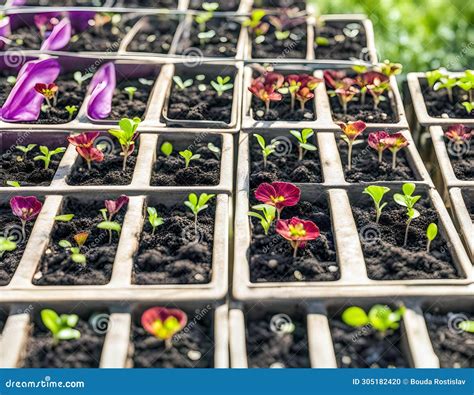
Seeds are far cheaper than seedlings, and many vegetables are easy to start directly in the garden or in simple seed-starting trays. Look for open-pollinated or heirloom varieties, which allow you to save seeds for future seasons, further reducing costs.
- Seed Swaps: Connect with local gardening groups or online communities for seed swaps. This is a fantastic way to acquire diverse varieties for free.
- Cuttings: Many herbs and some vegetables (like sweet potatoes) can be grown from cuttings, saving you the cost of new plants.
- Regrowing Scraps: Don’t throw away the ends of romaine lettuce, celery, or green onions! Many can be rooted in water and replanted.
Phase 4: Nurturing Your Garden with Natural Methods
Once your garden is planted, focus on natural, low-cost ways to keep it healthy:
- Water Wisely: Water deeply and less frequently to encourage deep root growth. Early morning watering minimizes evaporation. Use soaker hoses or drip irrigation for efficiency, or simply hand-water at the base of plants.
- Natural Pest Control: Embrace biodiversity. Attract beneficial insects (like ladybugs and lacewings) by planting companion flowers (marigolds, calendula). Hand-pick larger pests, or use simple organic sprays made from neem oil or diluted dish soap for stubborn infestations.
- Weed Management: A thick layer of mulch is your best friend. For weeds that break through, pull them by hand or use a hoe before they get established.
Phase 5: Harvesting and Enjoying Your Real Food
The most rewarding part of organic gardening is harvesting your own “real food.” Harvest regularly to encourage more production. Many plants, like lettuce, basil, and beans, will continue to produce if picked frequently. Enjoy the superior taste and nutritional value of food grown without chemicals, straight from your garden to your plate.

Conclusion: Your Path to Real Food Starts Here
Starting a low-cost organic vegetable garden is an empowering step towards a healthier, more sustainable lifestyle. It requires observation, patience, and a willingness to learn, but the returns—in terms of fresh food, personal satisfaction, and reduced grocery bills—are immense. By focusing on healthy soil, smart sourcing, and natural practices, you can cultivate an abundant garden that feeds your body and soul without stretching your budget. Begin small, experiment, and enjoy the delicious journey to growing your own real food.