


What DIY methods extend fresh herb shelf life after harvest?
There’s nothing quite like the vibrant flavor and aroma of fresh herbs straight from the garden or farmers market. However, their delicate nature often means they wilt and lose their potency within days. Fortunately, with a few simple DIY methods, you can dramatically extend the shelf life of your harvest, ensuring you have fragrant, flavorful herbs on hand for weeks or even months to come. Say goodbye to wasted greens and hello to a continuous supply of culinary delight.
Initial Steps for All Herbs
Regardless of the preservation method you choose, proper preparation is key. As soon as you bring your herbs home or harvest them, gently wash them under cool running water to remove any dirt or pests. Pat them thoroughly dry with a clean kitchen towel or use a salad spinner. Excess moisture is the enemy of fresh herbs, leading to quicker spoilage.
Refrigeration: Short-Term Freshness
For most fresh herbs you plan to use within a week or two, refrigeration is your best bet. The method varies slightly depending on whether the herb is “hardy” (woody stems like rosemary, thyme, oregano) or “delicate” (tender stems like basil, parsley, cilantro, mint).
Delicate Herbs: The Water Glass Method
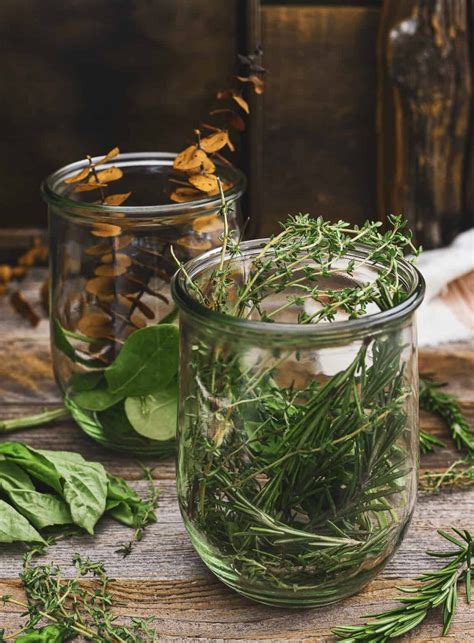
Treat delicate herbs much like a bouquet of flowers. Trim the bottoms of the stems and place them upright in a glass or jar with about an inch of water. Loosely cover the herbs and glass with a plastic bag (or use a dedicated herb saver container) and store them in the refrigerator. Change the water every day or two. Basil is an exception; it prefers room temperature, so keep it on the counter away from direct sunlight.
Hardy Herbs: Damp Paper Towel Method
For rosemary, thyme, oregano, and chives, wrap them loosely in a slightly damp paper towel, then place the bundle inside a plastic bag or an airtight container. Store this in the crisper drawer of your refrigerator. This method helps maintain a humid environment without excess moisture.
Freezing: Long-Term Flavor Retention
Freezing is an excellent way to preserve the flavor and aroma of many herbs for several months, making them perfect for cooking. While they won’t retain their crisp texture for garnish, their culinary value remains high.
Ice Cube Tray Method
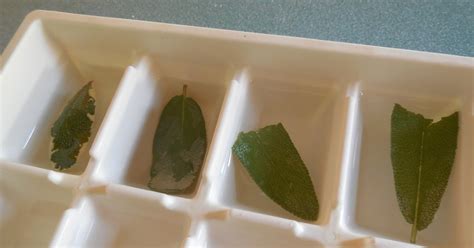
Finely chop your herbs and pack them into ice cube trays. Cover the chopped herbs with a neutral oil (like olive oil or avocado oil) or water. Freeze until solid, then pop the herb cubes out and store them in freezer-safe bags or containers. When you’re ready to cook, simply drop a cube into soups, stews, sauces, or sauté pans.
Freezer Bag Method
For herbs like dill, parsley, or even basil, you can simply chop them and spread them in a single layer on a baking sheet to flash freeze for an hour. Once frozen, transfer them to a freezer-safe bag, pressing out as much air as possible before sealing. This prevents them from clumping together and allows you to grab small portions as needed.
Drying: A Traditional Preservation Method
Drying herbs concentrates their flavor and makes them shelf-stable for a year or more. It’s particularly effective for woody herbs like rosemary, thyme, oregano, and sage, but can also work for mint and parsley.
Air Drying
Bunch small quantities of herbs together and tie them with twine. Hang them upside down in a warm, dry, well-ventilated area away from direct sunlight. Depending on the humidity and herb type, this can take one to three weeks. Once completely dry (they should crumble easily), strip the leaves from the stems and store them in airtight containers in a cool, dark place.
Oven or Dehydrator Drying
For a quicker method, a food dehydrator is ideal. Follow the manufacturer’s instructions for drying herbs. Alternatively, you can use a very low oven setting (around 100-150°F or 40-65°C) with the oven door slightly ajar to allow moisture to escape. Lay herbs in a single layer on baking sheets and turn them periodically. This usually takes a few hours.

Beyond the Basics: Other Creative Uses
While preservation methods focus on extending shelf life, consider incorporating fresh herbs into other preparations:
- Herb Butters: Chop fresh herbs and mix into softened butter for a flavorful spread or cooking fat. Freeze in logs or individual portions.
- Herb Vinegars: Infuse fresh herbs into white wine vinegar or apple cider vinegar for delicious salad dressings and marinades.
Conclusion
With these accessible DIY methods, you no longer have to mourn wilting herbs. Whether you opt for simple refrigeration, long-term freezing, or traditional drying, extending the life of your fresh herb harvest is both easy and rewarding. Experiment with different techniques to find what works best for your favorite herbs and culinary needs, ensuring a constant supply of vibrant flavor in your kitchen.