


How to keep garden-fresh roasted vegetables crisp, not soggy?
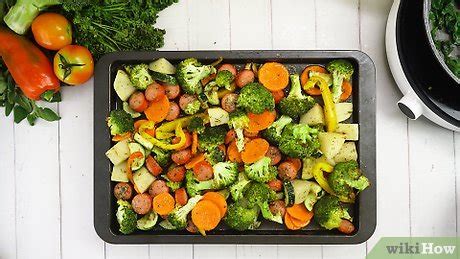
There’s nothing quite like the savory, slightly charred goodness of perfectly roasted vegetables. They’re a staple side dish, a healthy snack, or even the star of a meal. However, the dream of golden-brown, crisp-edged veggies can quickly turn into a soggy, steamed nightmare if not handled correctly. If you’re tired of limp roasted produce and crave that satisfying crunch, these essential tips will transform your roasting game.
1. Start with Bone-Dry Vegetables
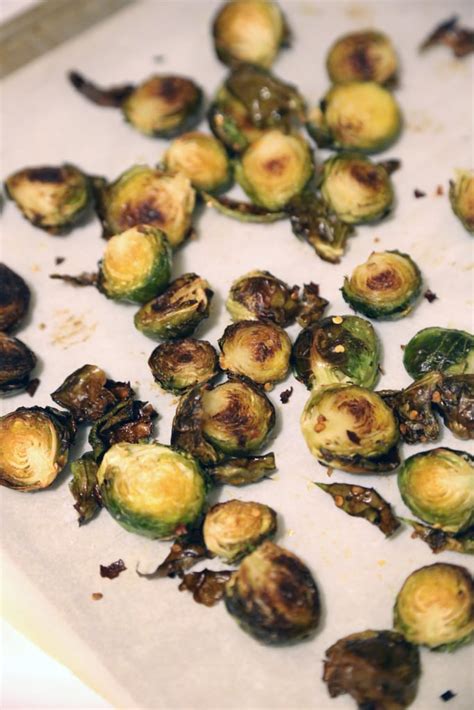
Moisture is the enemy of crispiness. Before you even think about oiling and seasoning, ensure your vegetables are as dry as possible. After washing, thoroughly pat them dry with a clean kitchen towel or paper towels. For extra insurance, you can even let them air dry on a rack for 15-30 minutes. Any residual water will steam the vegetables instead of allowing them to caramelize and crisp up.
2. Cut Evenly for Consistent Cooking
Unevenly cut vegetables will cook at different rates, leading to some pieces being perfectly done while others are still hard or, worse, burnt. Aim for pieces of roughly the same size and thickness. This ensures every piece gets the same amount of heat exposure and cooks evenly, contributing to overall crispness.

3. Use the Right Oil, and Just Enough
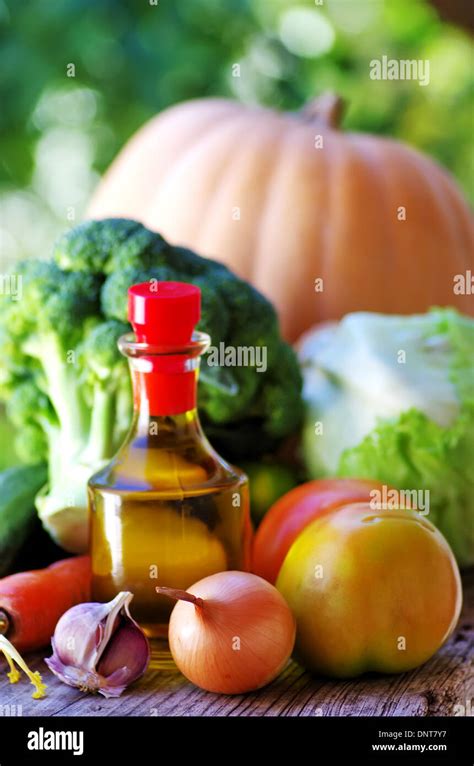
A good quality oil with a high smoke point is crucial. Olive oil, avocado oil, or grapeseed oil are excellent choices. The key is to use *just enough* to coat the vegetables lightly, not drench them. Too much oil will result in greasy, heavy vegetables, while too little won’t promote browning. A general rule of thumb is about 1-2 tablespoons of oil per pound of vegetables. Toss them thoroughly in a large bowl to ensure every piece is lightly coated.
4. Embrace High Heat
Roasting is all about high heat. Preheat your oven to a minimum of 400°F (200°C), and sometimes even 425-450°F (220-230°C) depending on the vegetable. A hot oven ensures the exterior of the vegetables starts to brown and crisp immediately, locking in flavor and preventing them from steaming. Don’t skip the preheating step – a cold oven will give you subpar results.
5. Don’t Overcrowd the Pan
This is perhaps the most critical rule. Overcrowding your baking sheet is a guaranteed path to soggy vegetables. When too many vegetables are packed onto a single pan, they release moisture, and that moisture gets trapped, creating steam. Instead of roasting, you’re essentially steaming them. Use multiple baking sheets if necessary, spreading your vegetables in a single layer with plenty of space between each piece. Air circulation is your best friend for crispiness.

6. Use the Right Baking Sheet
Opt for a heavy-duty, light-colored metal baking sheet. Darker pans can sometimes brown the bottom too quickly, potentially leading to burning before the rest is cooked. Avoid glass bakeware for roasting, as it heats more slowly and can lead to uneven cooking and less crispiness. Parchment paper or a silicone mat can prevent sticking, but ensure it doesn’t hinder air circulation too much.
7. Resist the Urge to Peek Too Often
Opening the oven door frequently releases heat, extending cooking time and hindering the crisping process. Let your vegetables roast undisturbed for at least 15-20 minutes before checking. A gentle flip or stir halfway through the cooking time can promote even browning, but don’t overdo it.
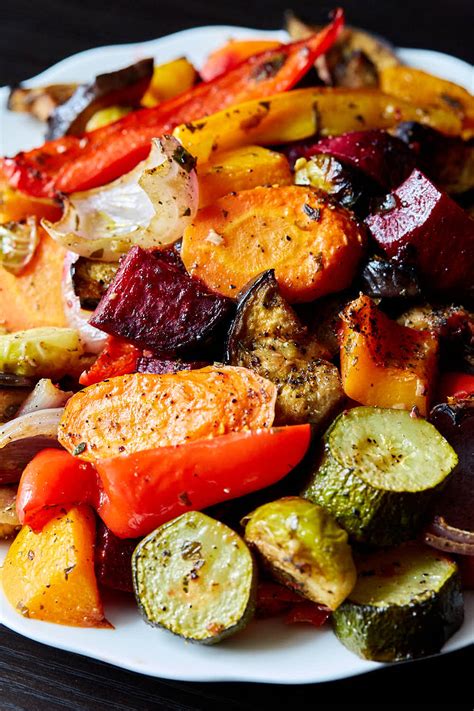
By following these straightforward techniques, you can banish soggy roasted vegetables from your kitchen for good. Embrace the dry prep, hot oven, and ample space, and you’ll be rewarded with a platter of perfectly crisp, flavorful garden-fresh goodness every time.